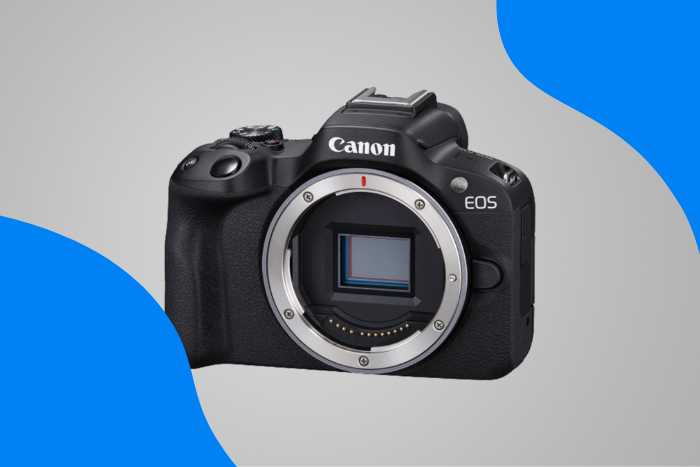
The Canon EOS R50 is our pick for most families. Its people-detection autofocus helps with candid moments, while the light body and simple touchscreen make it an approachable first camera. Start with the 18–45mm lens kit for days out and everyday portraits. You can add a brighter lens later if most of your photos happen indoors.
If you would rather watch your children than change lenses between shots, consider a camera with a built-in zoom. For a family video, look at the recording modes and audio connections. There are also two full-frame options for keen portrait photographers and paid family sessions. These recommendations compare specifications and practical kit choices; they do not come from a shared hands-on test of all six cameras.
Our Picks at a Glance
All 6 Cameras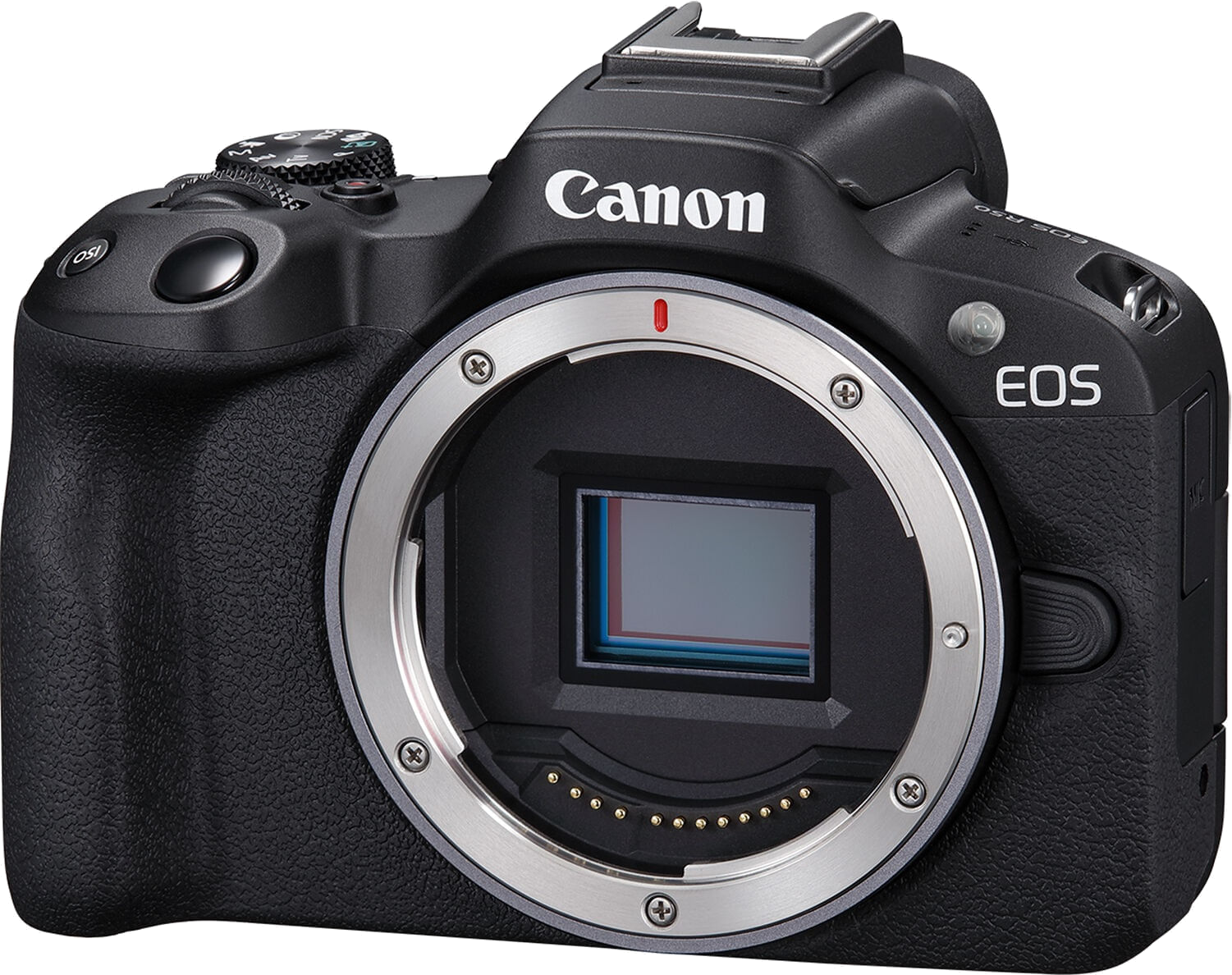
A light starter kit with eye detection and a screen that makes low family viewpoints easy.
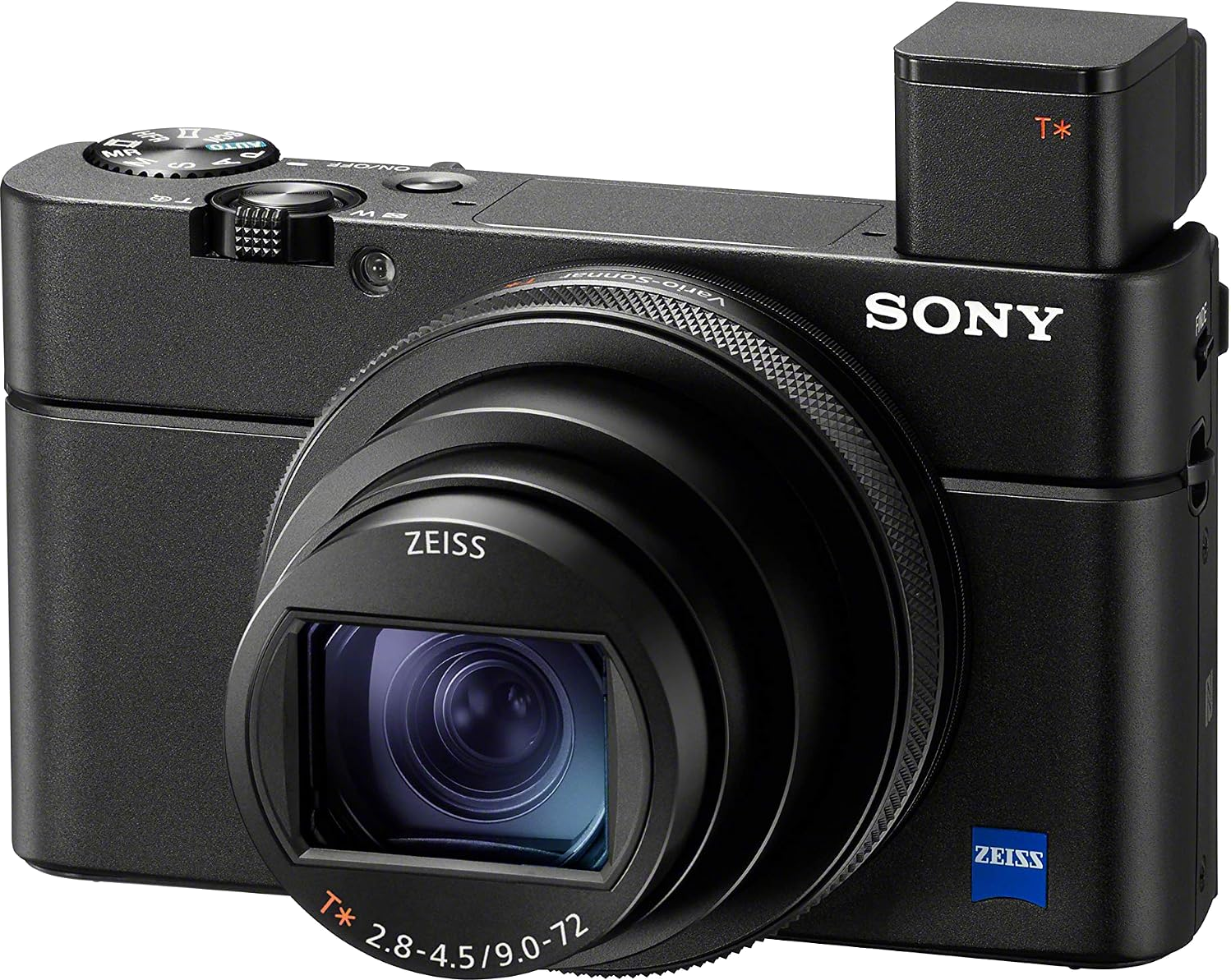
A small camera with a built-in wide-to-telephoto zoom for days when changing lenses is one job too many.
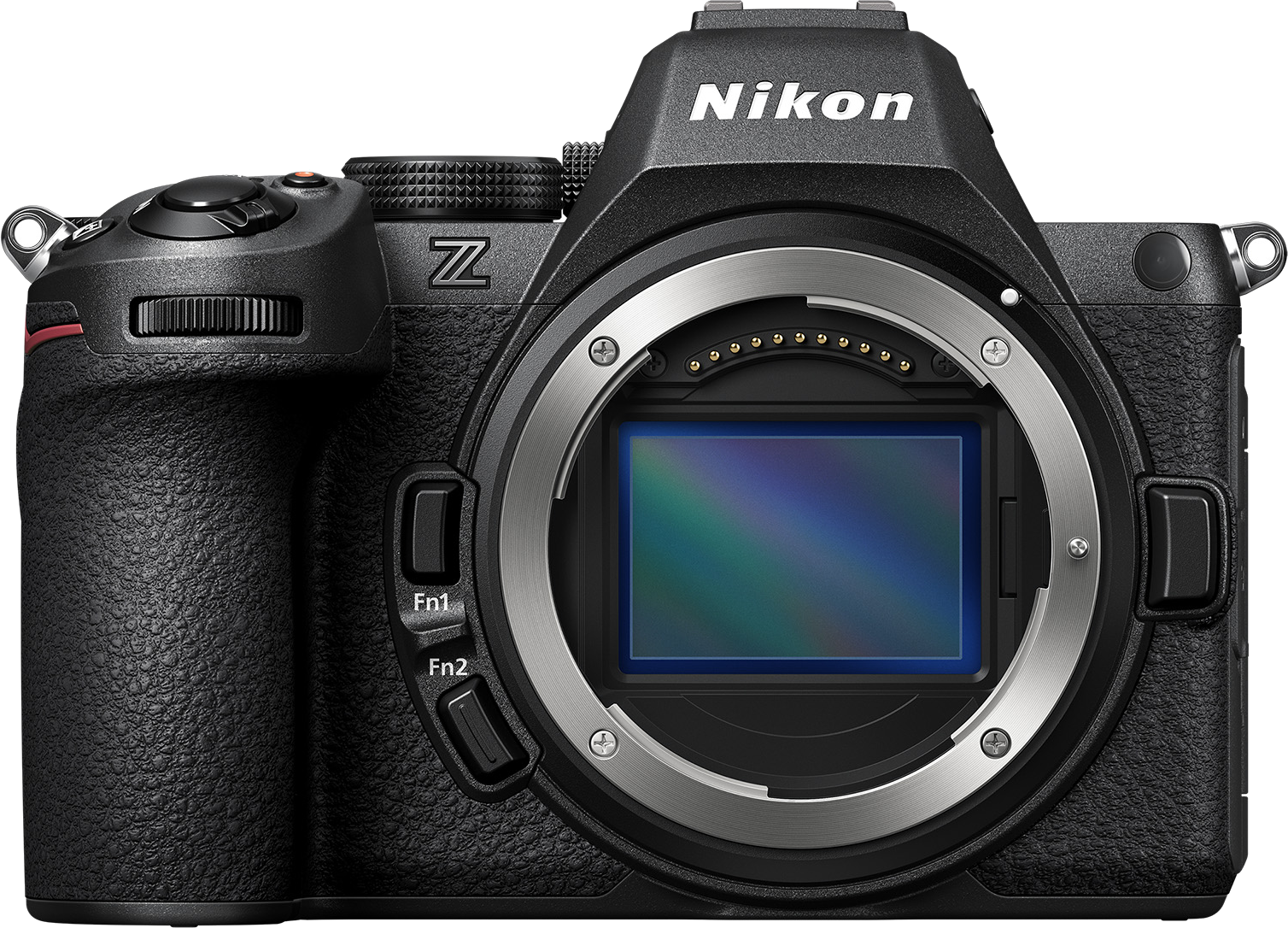
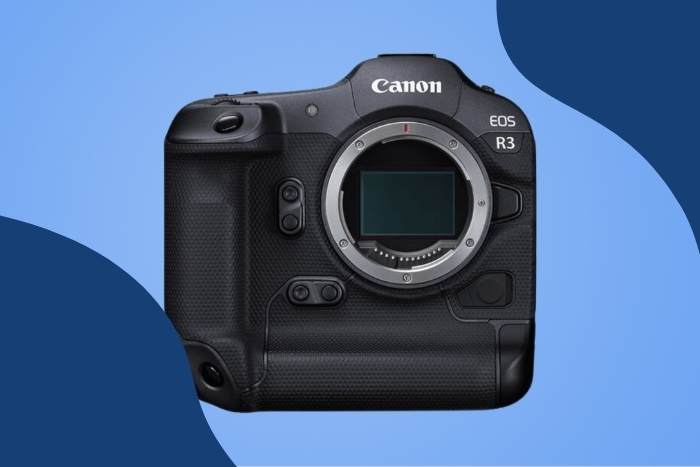
The full-frame option for a session workflow with two-card backup and direct controls.
The Best Cameras for Family Photography
For family memories, give as much weight to a camera you will carry as to its focus tools. For paid sessions, backup recording becomes a stronger reason to choose a larger body. Weight includes the battery and memory card but excludes interchangeable lenses. The Sony RX100 VII weight includes its fixed lens. Burst figures show the stated mode and are not a measure of autofocus success.
- People and eye detection for candid photos
- Touchscreen swings out for low viewpoints
- Compact body keeps the kit manageable
- Uncropped 4K30 for family clips
- 3D tracking follows a chosen subject
- Two command dials for direct exposure control
- Vari-angle screen for shared photos and clips
- Picture Controls change the look of JPEGs
- Human recognition uses eyes and body position
- In-body stabilization works with compact primes
- 4K60 video for motion and slow-motion edits
- Front and rear controls suit growing skills
- Built-in 24–200mm-equivalent zoom
- People eye tracking for spontaneous moments
- Pop-up viewfinder for bright outdoor days
- Tilting screen for waist-level framing
- 33MP files allow more cropping room
- Human recognition supports portrait focus
- In-body stabilization for handheld stills
- Vari-angle screen for low viewpoints
- Dual SD slots support backup recording
- Full-frame sensor for flexible portrait work
- In-body stabilization for stationary subjects
- 3D tracking and subject detection
The Best Family Cameras in Detail
The starter kits suit daylight outings, but an indoor photographer may gain more from a brighter lens than a more expensive body. Read each choice with your usual setting in mind. A small camera for trips and a two-card body for client sessions solve different problems.
Canon EOS R50
- Sensor
- APS-C
- Resolution
- 24.2 MP
- Continuous Shooting
- 15 fps · electronic shutter
- Weight
- 13.2 oz
Strengths
- People and eye detection for candid photos
- Touchscreen swings out for low viewpoints
- Compact body keeps the kit manageable
- Uncropped 4K30 for family clips
Trade-Offs
- No in-body stabilization
- Basic controls leave less room for quick manual changes
The Canon EOS R50 makes the strongest starting point for a parent moving beyond a phone. People and eye detection take some focus placement off your hands. The screen swings out so you can frame a child at floor level without lying behind the camera. Those features matter more here than an extensive set of manual controls.
Its 24.2MP files leave room for family albums and prints. Uncropped 4K30 also makes it easy to switch from stills to a short clip without suddenly narrowing the view. With the 18–45mm kit zoom, this is a manageable setup for the park or a visit to grandparents.
Indoors, the kit's widest view is equivalent to about 29mm on full frame. That can feel tight when you cannot step back from a group. The lens also lets in less light as you zoom. The body has no in-body stabilization, so steady handheld shots depend on the lens stabilization and your shutter speed.
Choose the Nikon Z50 II instead if you want two command dials and a wider-starting standard zoom. The Canon earns first place because its smaller body and lower kit cost make the move to a dedicated camera easier.
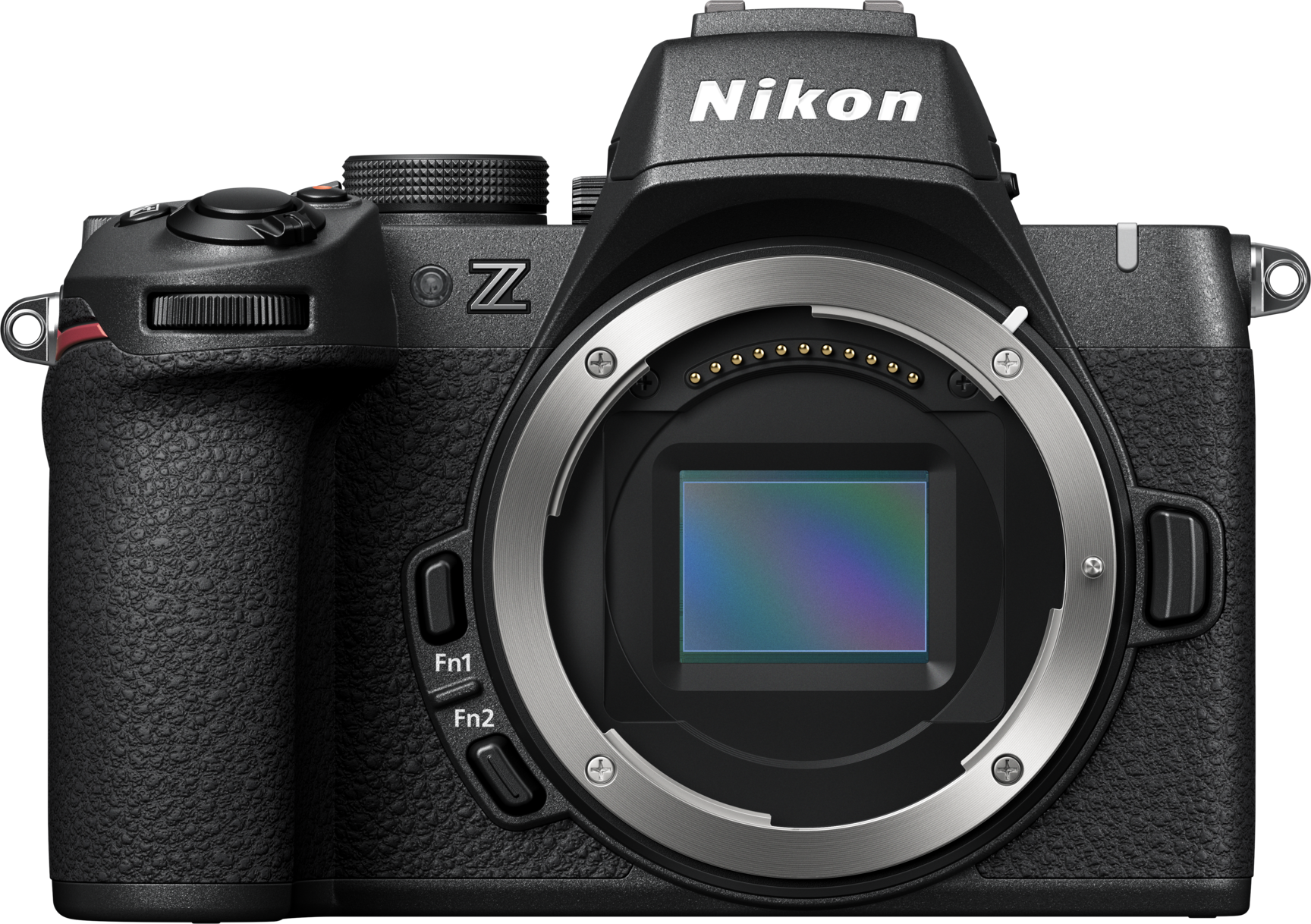
Nikon Z50 II
- Sensor
- APS-C
- Resolution
- 20.9 MP
- Continuous Shooting
- 11 fps · continuous H extended
- Weight
- 19.4 oz
Strengths
- 3D tracking follows a chosen subject
- Two command dials for direct exposure control
- Vari-angle screen for shared photos and clips
- Picture Controls change the look of JPEGs
Trade-Offs
- Larger and heavier than the R50
- No in-body stabilization
The Nikon Z50 II suits someone who wants to learn while photographing the family. Its front and rear command dials let you change exposure with less screen tapping. The larger grip also gives more room for your hand, although comfort remains personal.
Subject detection and 3D tracking can follow a selected person around the frame. That is useful for children who will not hold a pose. Picture Controls offer different finished looks for JPEGs, and the dedicated button puts those choices within easy reach. You can share selected pictures through SnapBridge without making RAW editing part of every outing.
The standard 16–50mm VR kit starts at a 24mm-equivalent view. That extra width helps fit relatives and some of the room into a photo. Its lens stabilization reduces camera shake, but the body lacks in-body stabilization. The small kit lens is still better suited to daylight than fast movement in a dim room.
Compared with the Canon EOS R50, the Nikon asks you to carry more and spend more on the kit. Choose it for the controls and framing flexibility. Its 20.9MP resolution is no reason to dismiss it for albums or ordinary family prints.
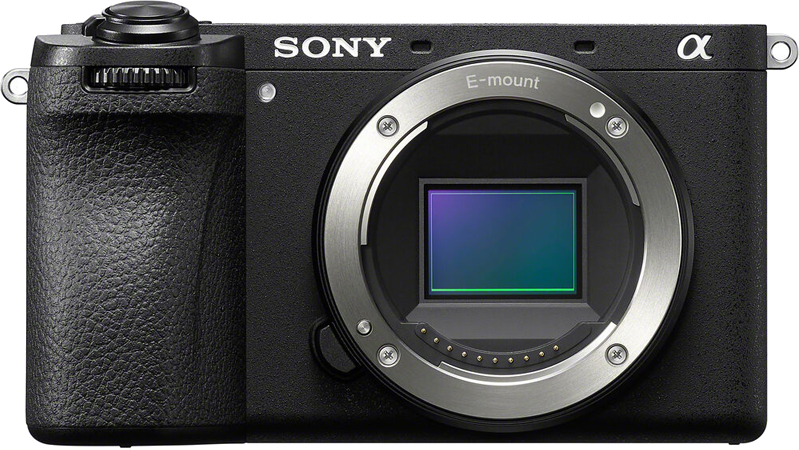
Sony a6700
- Sensor
- APS-C
- Resolution
- 26 MP
- Continuous Shooting
- 11 fps · Hi+; 10 fps lossless RAW
- Weight
- 17.4 oz
Strengths
- Human recognition uses eyes and body position
- In-body stabilization works with compact primes
- 4K60 video for motion and slow-motion edits
- Front and rear controls suit growing skills
Trade-Offs
- More settings to learn than an entry camera
- 4K120 has a substantial extra crop
The Sony a6700 is the step up for a parent who enjoys making both photographs and edited family videos. Human recognition uses body position as well as faces and eyes. It gives the camera more information to follow a person who turns away, though it cannot guarantee a sharp frame every time.
In-body stabilization is a useful difference from the Nikon Z50 II. It helps control hand movement with small lenses that lack their own stabilization. The 26MP sensor and 11 fps burst mode provide a capable stills setup without moving to full frame. Lossless compressed RAW reduces the maximum burst rate to 10 fps.
For video, 4K60 allows smooth motion or a modest slow-motion edit. There is also 4K120, but its substantial extra crop makes indoor framing harder. The recording-mode table is useful if that mode is part of your buying decision.
The 16–50mm power-zoom kit keeps the starting system compact. Buy the Sony when you want its stabilization and video options. For photographs and occasional clips, the Nikon's lower kit cost leaves more of your budget for a lens.
Sony RX100 VII
- Sensor
- 1-inch type
- Resolution
- 20.1 MP
- Continuous Shooting
- 20 fps · electronic with AF/AE
- Weight
- 10.7 oz
Strengths
- Built-in 24–200mm-equivalent zoom
- People eye tracking for spontaneous moments
- Pop-up viewfinder for bright outdoor days
- Tilting screen for waist-level framing
Trade-Offs
- Small sensor and slow telephoto aperture limit dim-room use
- Short default 4K recording limit
Choose the Sony RX100 VII when you want one small camera with no lens decisions. Its built-in 24–200mm-equivalent zoom covers a group at the wide end and a distant expression at the long end. That range is useful on family trips where carrying a second lens would be a nuisance.
People eye detection and 20 fps shooting with autofocus and exposure tracking give it more scope for spontaneous moments than its size suggests. A pop-up viewfinder helps in bright sunlight. The tilting screen is also useful for waist-level photos, although it does not swing to the side like the screens on the mirrorless choices.
The trade-off appears in dim rooms. Its one-inch-type sensor is smaller than the others here, and the lens reaches f/4.5 at the long end. Unlike an interchangeable-lens body, you cannot fit a brighter lens later. The Canon EOS R50 offers that upgrade path.
Treat the Sony as a stills and short-clip camera. Its default temperature setting limits continuous 4K recording to about five minutes. A higher setting can extend that, but it is a poor reason to choose this model for recording a whole school performance.
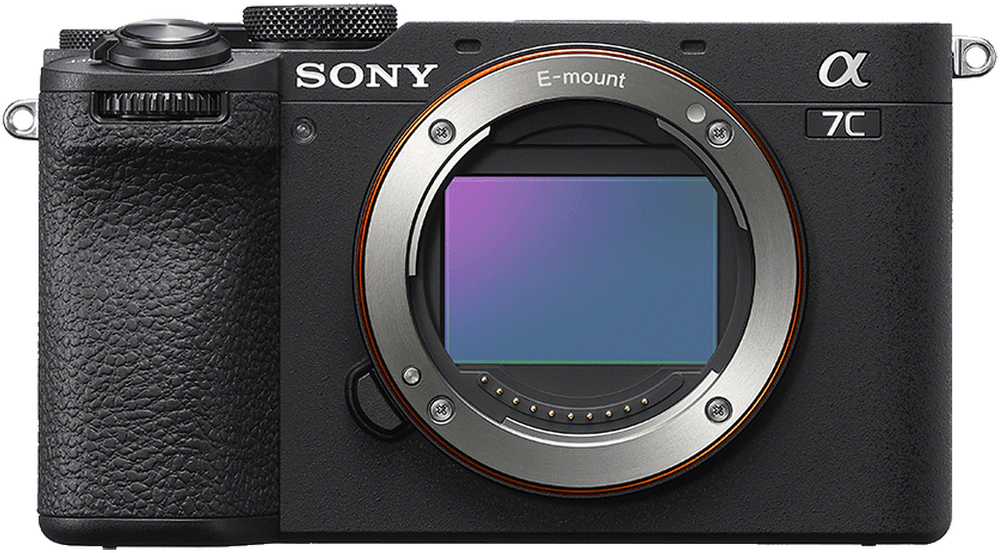
Sony a7C II
- Sensor
- Full Frame
- Resolution
- 33 MP
- Continuous Shooting
- 10 fps · JPEG/compressed RAW
- Weight
- 18.1 oz
Strengths
- 33MP files allow more cropping room
- Human recognition supports portrait focus
- In-body stabilization for handheld stills
- Vari-angle screen for low viewpoints
Trade-Offs
- Only one memory card slot
- Lens size can outweigh the small body advantage
The Sony a7C II fits a keen family photographer who wants full-frame portraits without a large camera body. Its 33MP sensor gives more room to crop than the other picks. Human subject recognition and in-body stabilization support handheld work, while the vari-angle screen helps with low viewpoints.
The small body only stays part of a small system if you choose suitable lenses. The 28–60mm kit is a compact place to start for travel and daylight portraits. A bright full-frame prime can suit indoor portraits, but a large zoom can quickly remove the carrying advantage. Check the combined lens and body weight before buying.
There is also a workflow compromise: the camera has one memory card slot. The Nikon Z5 II can record a backup to a second card, which is a stronger fit for paid sessions you cannot repeat.
Choose the Sony for personal portrait work and trips where size matters. Its larger sensor is an option for controlling background blur with a suitable lens, not a requirement for good family photos. For group portraits, you may need a smaller aperture to keep people at different distances in focus.
Nikon Z5 II
- Sensor
- Full Frame
- Resolution
- 24.5 MP
- Continuous Shooting
- 30 fps · C30 electronic JPEG
- Weight
- 24.7 oz
Strengths
- Dual SD slots support backup recording
- Full-frame sensor for flexible portrait work
- In-body stabilization for stationary subjects
- 3D tracking and subject detection
Trade-Offs
- Heaviest body in this shortlist
- 30 fps mode is JPEG only
The Nikon Z5 II is the most useful choice here for a photographer taking paid family sessions. Its two SD slots can record the same photographs to both cards. That gives you an in-camera copy if one card fails, provided you select the backup recording mode.
The 24.5MP full-frame sensor is a sensible size for delivering portraits without the storage burden of much higher-resolution files. In-body stabilization helps with hand movement during quieter moments. Subject detection and 3D tracking also give you options when a posed session turns into children running around.
Do not buy it on the 30 fps figure alone. That C30 mode uses JPEG files and an electronic shutter. For RAW shooting, continuous H extended reaches about 11 fps. Nikon’s release-mode guide explains the conditions. Fast electronic shooting can distort movement, so the mode deserves more thought than a headline speed suggests.
This is the heaviest body in the shortlist before you add a lens. The two-card workflow justifies that burden for paid sessions. For personal outings, the smaller Sony a7C II or an APS-C kit is easier to carry.
Choose the Lens Before Spending More on the Body
A standard kit zoom is a useful first purchase when most pictures happen outside. For children moving indoors, compare a compatible zoom with a constant f/2.8 aperture or a suitable bright prime. A wider aperture lets you use a faster shutter speed in the same light. Stabilization addresses your hand movement; it does not freeze the child.
Use your usual room and group size to choose the focal length. A 24mm-equivalent wide end fits more into the frame than a 29mm-equivalent wide end from the same position. A fixed 50mm lens on an APS-C body gives a much tighter view, so it is not a universal first lens for family groups indoors. Check the equivalent field of view and the exact camera mount on the product page.
For a group in two rows, a very wide aperture can leave some faces outside the depth of field. A brighter lens gives you options, but you do not need to use its widest aperture for every portrait. This is also why buying full frame solely for more background blur can solve the wrong problem.
Is Your Phone Already Enough?
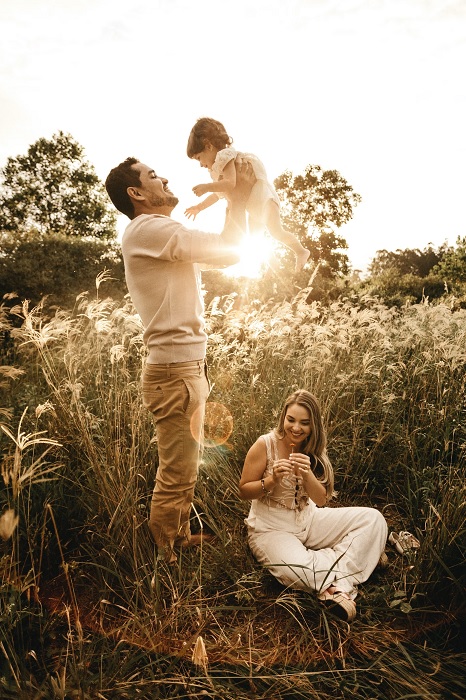
Keep using your phone if you like the pictures and instant sharing matters most. A separate camera makes more sense when you can name the limit you want to overcome: a longer optical zoom, more control over moving subjects, a viewfinder in sunlight or lenses for a particular portrait style.
There is extra work after the purchase. You need to carry the camera and choose how to transfer and back up the files. A spare memory card adds capacity, but it does not create a second copy while you shoot. Paid work needs a backup plan beyond the camera too; two card slots do not replace a spare body or secure file storage.
Our Verdict
Start with the Canon EOS R50 if you want an easy first family kit. Choose the Sony RX100 VII if avoiding extra lenses will help you carry the camera more often. For paid family sessions, the Nikon Z5 II earns its extra size through a two-card backup workflow. Let the photographs you need and the kit you will carry decide the rest.
Our Three Top Picks Side by Side
- Optics
- 66
- Video
- 91
- Features
- 72
- Storage & Battery
- 35
- Optics
- 60
- Video
- 91
- Features
- 68
- Storage & Battery
- 29
- Optics
- 79 (highest)
- Video
- 91
- Features
- 87 (highest)
- Storage & Battery
- 68 (highest)