
The Sony a7 V is our first choice if you switch often between photos and video. Its 33MP sensor gives you useful room to crop stills, while detailed 4K60 recording keeps a wide view of the scene. Dual card slots and a screen that tilts and swings out make it easier to build one camera setup around both jobs.
You can spend less and carry smaller lenses with an APS-C camera. There are also lighter options for solo video, a pocket zoom for travel and a high-resolution body for large prints. The right choice depends on what you need alongside 4K, especially your lens range and how long each take must last.
Our Picks at a Glance
All 9 Cameras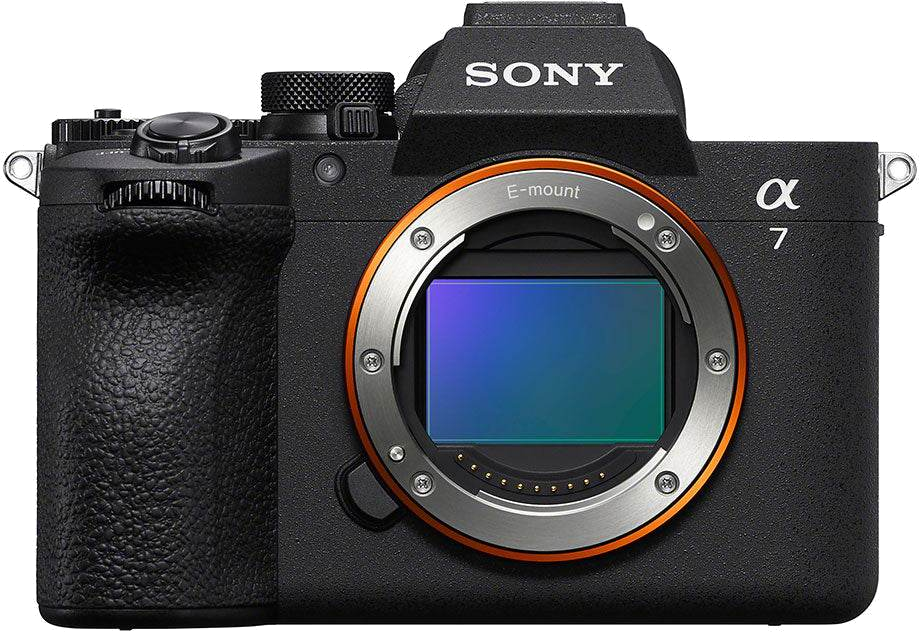
Full-width 4K60 and 33MP photos make this the most balanced choice for frequent photo and video work.
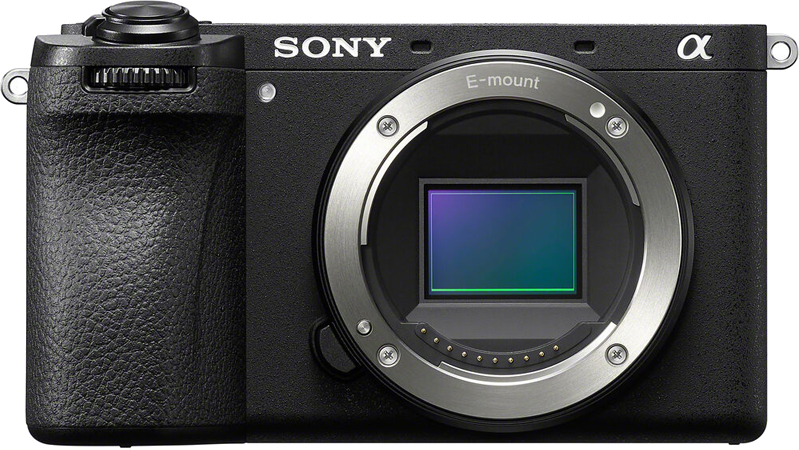
A smaller camera system with a viewfinder, in-body stabilization and serious 10-bit 4K modes.
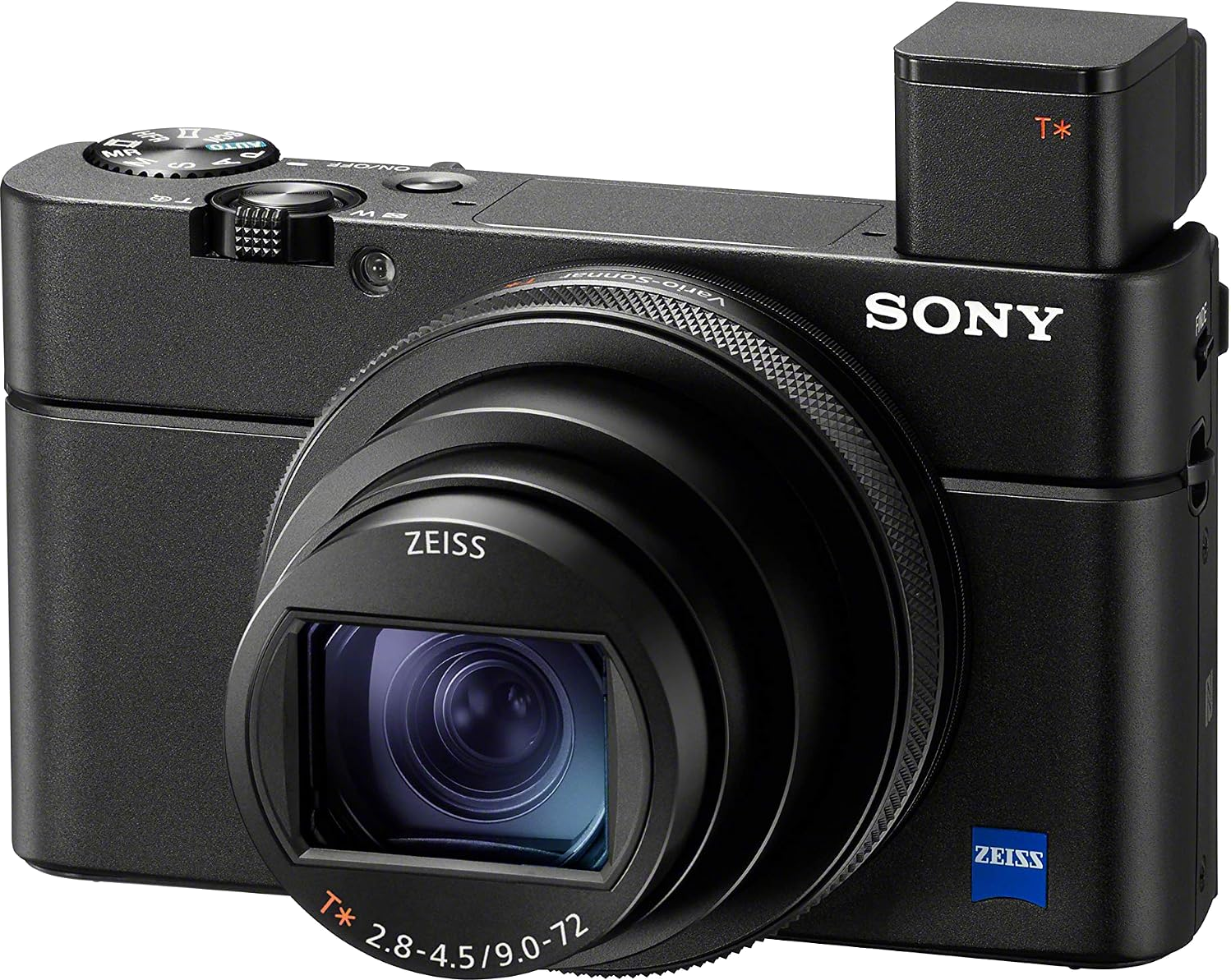
A pocket-size camera with a 24–200mm-equivalent lens, a viewfinder and usable 4K travel clips.
The Best Sony 4K Cameras
A 4K label does not tell you how much of the scene a camera records. Several of these cameras narrow the view at higher frame rates, which can turn a useful wide lens into a tight shot. The reviews compare actual recording modes and the still-photo compromises that come with them. The comparison uses internal UHD 4K recording at 3840 × 2160 pixels. The 30p, 60p and 120p labels refer to NTSC mode. A crop means a narrower view than that camera's normal movie view, before any extra digital stabilization or automatic framing.
- 33MP photos leave useful cropping room
- Wide 4K60 with Angle of View Priority
- Subject recognition autofocus for moving subjects
- Dual card slots and a flexible four-axis screen
- 26MP photos from a smaller APS-C system
- 6K-oversampled 4K60 with 10-bit color
- In-body stabilization for unstabilized lenses
- Viewfinder and mechanical shutter for stills
- Detailed 10-bit 4K60 recording
- Free license adds cropped 4K120
- Side-opening screen for filming yourself
- Microphone and headphone ports for sound
- 33MP full-frame photos in a compact body
- 7K-oversampled full-frame 4K30
- In-body stabilization for handheld use
- Subject recognition autofocus and a viewfinder
- 66.8MP stills for large prints and cropping
- Full-frame 4K60 with 10-bit color
- Wide 4K120 with Angle of View Priority
- Dual card slots and a large viewfinder
- 10-bit 4K120 with autofocus
- Modest 1.1× crop in the 120p mode
- Two card slots for a backup recording route
- Full-size HDMI and a large viewfinder
- Built-in 24–600mm-equivalent optical zoom
- Full-width 4K60 and cropped 4K120
- Optical stabilization for the long zoom
- Microphone and headphone ports for sound
- Full-frame 10-bit 4K60 recording
- Free license adds cropped 4K120
- Automatic framing for a solo presenter
- Side-opening screen and directional microphone
- Pocket-size camera with a built-in zoom
- 24–200mm-equivalent lens for travel
- Pop-up viewfinder for bright outdoor light
- Movie Eye AF and an external microphone input
Sony 4K Cameras in Detail
Start with the frame rate you will use most. Recording at 60p gives you smoother motion or room for modest slow motion; 120p is useful when you need to slow action further. Most choices below record 10-bit color internally, which tolerates more color adjustment than the RX100 VII's 8-bit files. You do not need an external recorder for the recommended modes.
Sony a7 V
- Photo Resolution
- 33 MP
- Sensor Size
- Full Frame
- Internal 4K Recording
- 120p · XAVC S / HS
- View at Top 4K Rate
- APS-C/Super 35 crop at 120p
Strengths
- 33MP photos leave useful cropping room
- Wide 4K60 with Angle of View Priority
- Subject recognition autofocus for moving subjects
- Dual card slots and a flexible four-axis screen
Trade-Offs
- 4K120 requires an APS-C crop
- Full-width 4K60 needs the correct angle-of-view setting
The Sony a7 V makes the fewest awkward compromises for a photographer who also delivers video. Its 33MP still files leave more cropping room than the 12MP video-focused models. For movies, it uses more sensor detail than the finished 4K frame needs to produce detailed 4K60. That is a more useful everyday advantage than a headline 8K option you seldom use.
There is an important setting behind its wide 4K60 view. Turn on 4K Angle of View Priority to keep the full-frame angle. With it off, the view narrows at 60p. Sony also warns that the wider setting can make noise more noticeable in dark scenes. At 120p the camera switches to an APS-C/Super 35 crop regardless, so choose your lens around that tighter view if slow motion is central to your work.
Subject recognition autofocus helps follow people and other supported subjects. The four-axis screen also lets you frame from low positions without always swinging it out to the side. Microphone and headphone connections support recorded sound, while two card slots give you a backup recording route. Its internal XAVC S and XAVC HS modes include 4:2:2 10-bit recording.
The Sony a6700 is the nearest cheaper option for an everyday photo-and-video kit. It keeps a viewfinder and in-body stabilization while accepting smaller APS-C lenses. Choose the a7 V when you want full-frame 4K60, more still-image detail and two card slots. A reader mainly making short travel clips can put the difference toward lenses and sound instead.
Sony a6700
- Photo Resolution
- 26 MP
- Sensor Size
- APS-C
- Internal 4K Recording
- 120p · XAVC S / HS
- View at Top 4K Rate
- About 38% image crop at 120p
Strengths
- 26MP photos from a smaller APS-C system
- 6K-oversampled 4K60 with 10-bit color
- In-body stabilization for unstabilized lenses
- Viewfinder and mechanical shutter for stills
Trade-Offs
- Substantial extra crop at 4K120
- Only one memory-card slot
The Sony a6700 is the most appealing smaller system here for someone who takes photography as seriously as video. A viewfinder helps with framing in bright light, and the mechanical shutter gives it more flexibility for stills than the Sony ZV-E10 II. Its 26MP files are ample for everyday prints and sensible cropping.
For normal video work, 4K60 uses 6K oversampling to retain fine detail. You can record 4:2:2 10-bit files internally and use subject recognition autofocus. In-body stabilization works with lenses that have no optical stabilization, although it will not make walking footage look as though it came from a gimbal.
The 120p setting takes a much tighter crop from the APS-C sensor. Sony describes it as approximately a 38% image crop. That makes a wide establishing shot harder to get, and Active stabilization is unavailable at this frame rate. Treat 4K120 as a useful action option rather than the mode around which to choose your only lens.
A microphone input and headphone output make it practical to record and monitor interviews. The single card slot is the larger concern for work that cannot be repeated. The Sony a7 V adds a second slot and a wider 4K60 view. For travel and personal projects, the a6700's smaller lens system is often the better use of the budget.
Sony ZV-E10 II
- Photo Resolution
- 26 MP
- Sensor Size
- APS-C
- Internal 4K Recording
- 120p · XAVC S / HS (license)
- View at Top 4K Rate
- About 38% image crop at 120p
Strengths
- Detailed 10-bit 4K60 recording
- Free license adds cropped 4K120
- Side-opening screen for filming yourself
- Microphone and headphone ports for sound
Trade-Offs
- No viewfinder or mechanical shutter
- No sensor-shift stabilization
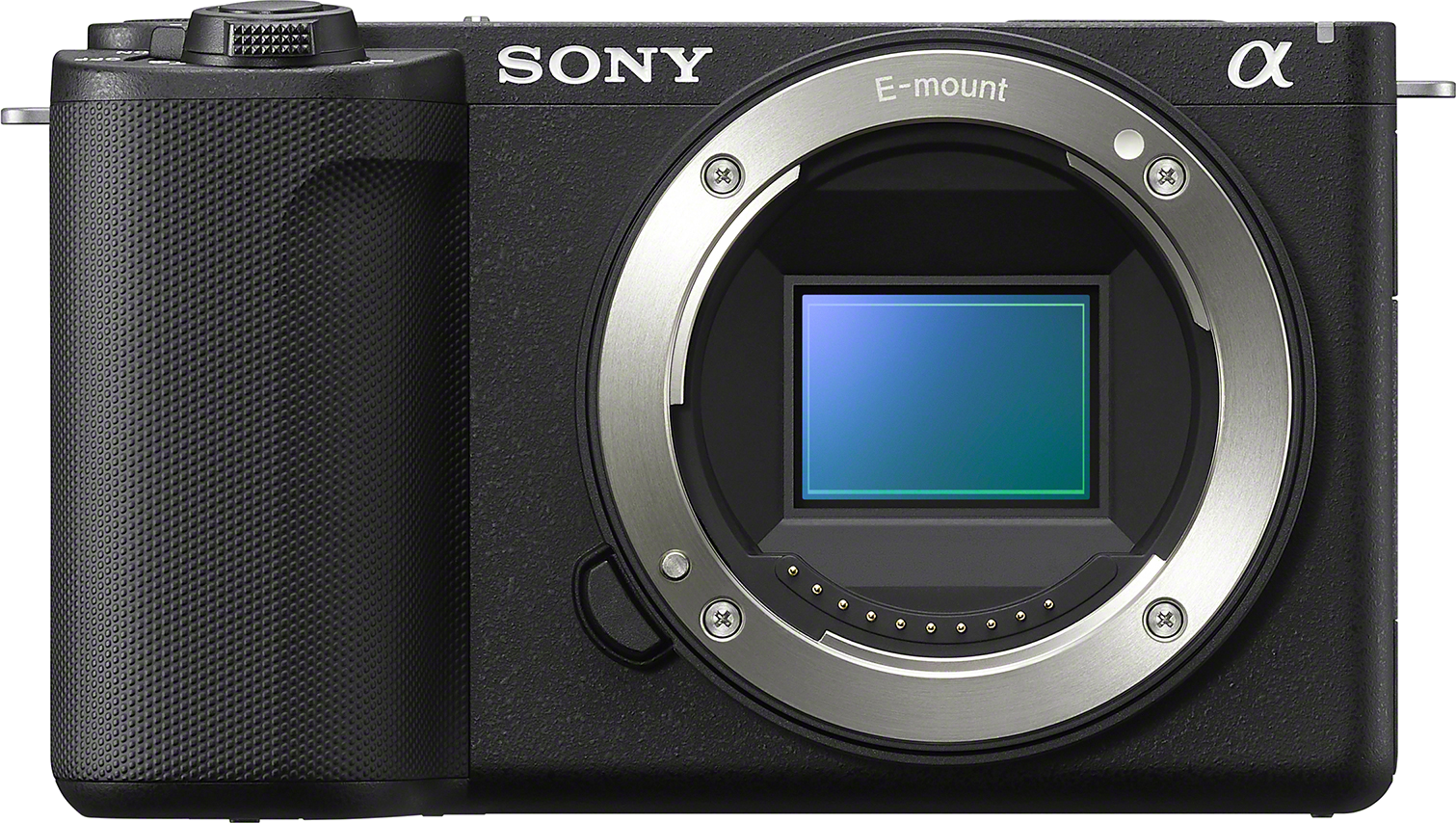
The Sony ZV-E10 II is a good starting point when video takes priority but you still want a proper interchangeable-lens camera for photos. It records detailed 4K60 with 4:2:2 10-bit color. Its side-opening screen and microphone and headphone sockets are useful for filming yourself or recording someone across a table.
It can also record 4K120 after you install Sony's free upgrade license. Without the license, 4K recording tops out at 60p. The upgrade retains autofocus but takes an approximately 38% image crop. Active stabilization and proxy recording are unavailable at 120p. For normal 4K60, the crop is about 1.1× with stabilization set to Standard or Off. Active stabilization narrows the view further.
The saving comes with clear stills and handling limits. There is no viewfinder, no mechanical shutter and no sensor-shift stabilization. The electronic shutter can produce skew with fast movement or banding under some artificial lights. Its 26MP files are useful for portraits and travel photos, but the Sony a6700 is the better camera for frequent action photography and handheld use.
A stabilized lens helps make the ZV-E10 II a more complete starter kit. Sony's E PZ 16–50mm F3.5–5.6 OSS II is a compact option with optical stabilization and a power zoom. It covers a 24–75mm-equivalent view before additional movie cropping. That is useful for general scenes, though the cropped high-speed mode is a poor fit for a wide arm's-length shot.
Sony a7C II
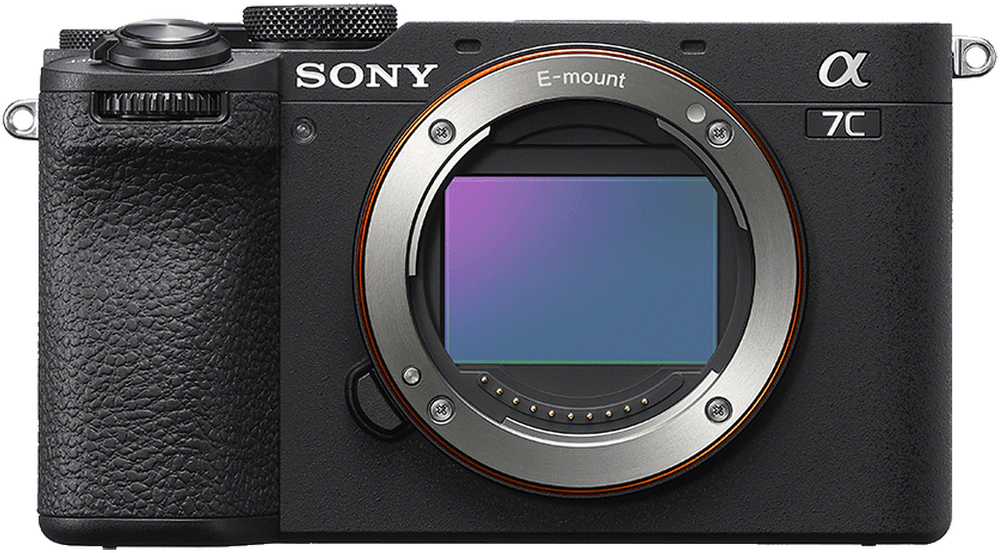
- Photo Resolution
- 33 MP
- Sensor Size
- Full Frame
- Internal 4K Recording
- 60p · XAVC S / HS
- View at Top 4K Rate
- APS-C/Super 35 crop at 60p
Strengths
- 33MP full-frame photos in a compact body
- 7K-oversampled full-frame 4K30
- In-body stabilization for handheld use
- Subject recognition autofocus and a viewfinder
Trade-Offs
- 4K60 uses an APS-C crop
- One card slot and a small viewfinder
The Sony a7C II earns its place by putting a 33MP full-frame sensor in a smaller body. Pair it with a compact lens and it makes sense for travel photography with detailed 4K clips along the way. A large zoom reduces that size advantage, so the lens is as important as the body in this choice.
Its strongest movie mode is full-frame 4K30 with 7K oversampling. Internal 4:2:2 10-bit recording gives you room to adjust color, and subject recognition autofocus helps keep the chosen subject in focus. At 4K60 it switches to an APS-C/Super 35 crop. A 28mm lens then frames more like a 42mm lens on full frame, before any extra stabilization crop.
That limit matters more than the small body's convenience if you regularly need wide 60p footage. The Sony a7 V is the better fit for that job. It also offers two card slots and a larger viewfinder. The a7C II has one SD slot and a small corner-mounted viewfinder, though it retains microphone and headphone connections.
For a photographer who mostly records at 24p or 30p, those trade-offs can be reasonable. The FE 28–60mm F4–5.6 keeps the kit compact without forcing an APS-C crop. Choose the Sony a6700 instead if smaller APS-C lenses and lower whole-kit cost matter more than full-frame stills.
Sony a7R VI
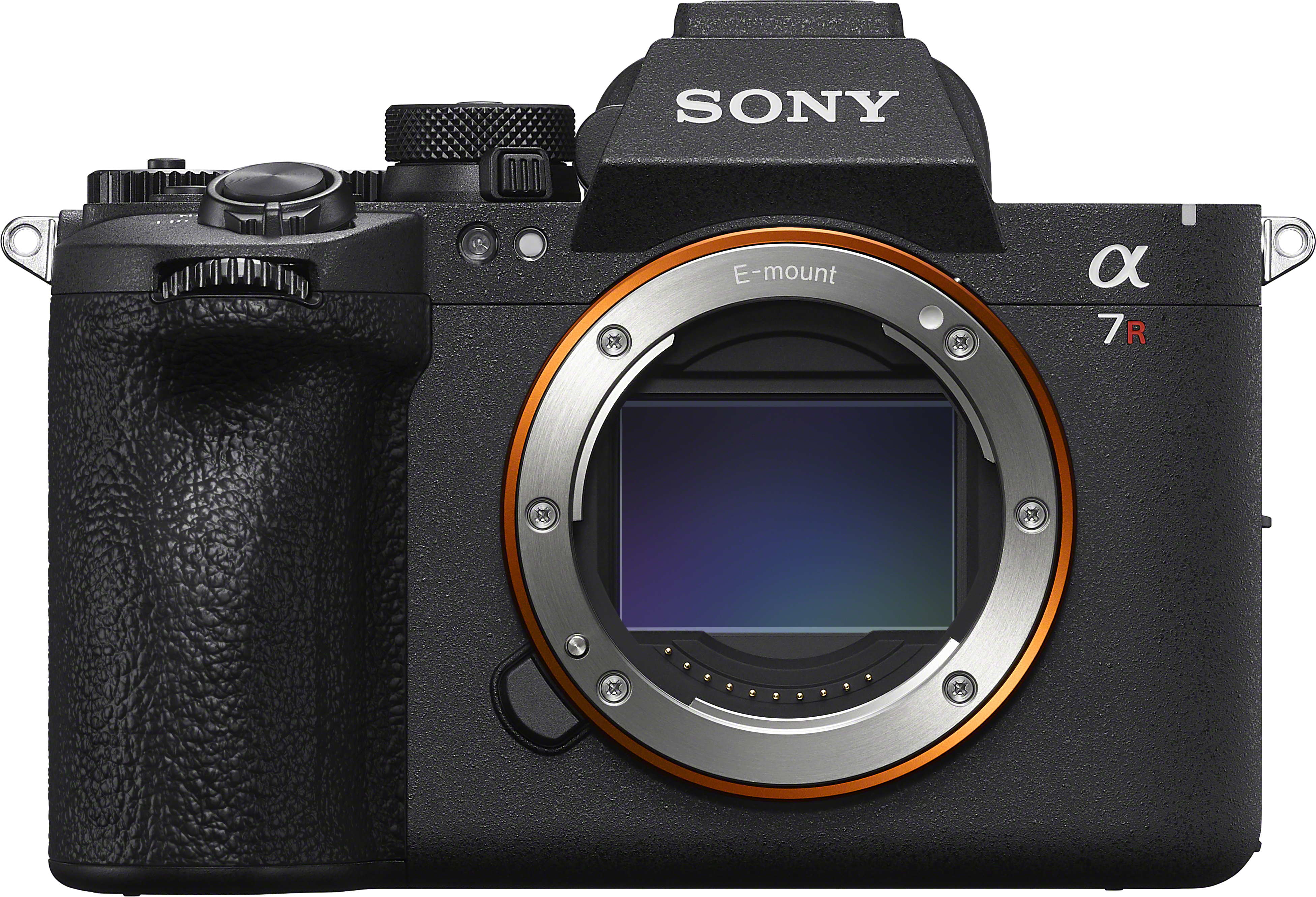
- Photo Resolution
- 66.8 MP
- Sensor Size
- Full Frame
- Internal 4K Recording
- 120p · XAVC S / HS
- View at Top 4K Rate
- Full-frame view with Priority On
Strengths
- 66.8MP stills for large prints and cropping
- Full-frame 4K60 with 10-bit color
- Wide 4K120 with Angle of View Priority
- Dual card slots and a large viewfinder
Trade-Offs
- Wide 4K120 mode can add noise
- Large still files and a different battery system
The Sony a7R VI is the upgrade for photographers who need large prints or substantial crops and also shoot demanding video. Its 66.8MP stacked sensor combines high resolution with faster readout than the Sony a7R V. The faster readout is useful when your high-resolution photo work includes moving subjects.
It records full-frame 4K60 and offers 4K120 with 4:2:2 10-bit color. The widest 120p view requires 4K Angle of View Priority. Turn that off and the view narrows. The wider mode can make noise more noticeable in dark scenes, so it is not a free improvement in every situation. Its 8K option is useful for a separate high-resolution workflow, but it is not the reason to buy it for 4K.
The large viewfinder and four-axis screen suit careful still photography as well as video framing. Two card slots and microphone and headphone sockets make it easier to build a serious working setup. It uses the newer NP-SA100 battery, so spare NP-FZ100 batteries from many other Sony bodies are not the correct spare purchase.
The cost is harder to justify when your photos rarely need this much detail. Large still files also increase storage and editing demands. The Sony a7 V is the better balanced purchase for most mixed photo-and-video work. Step up to the a7R VI when the extra still-image resolution or wider 4K120 mode solves a real problem.
Sony a7S III
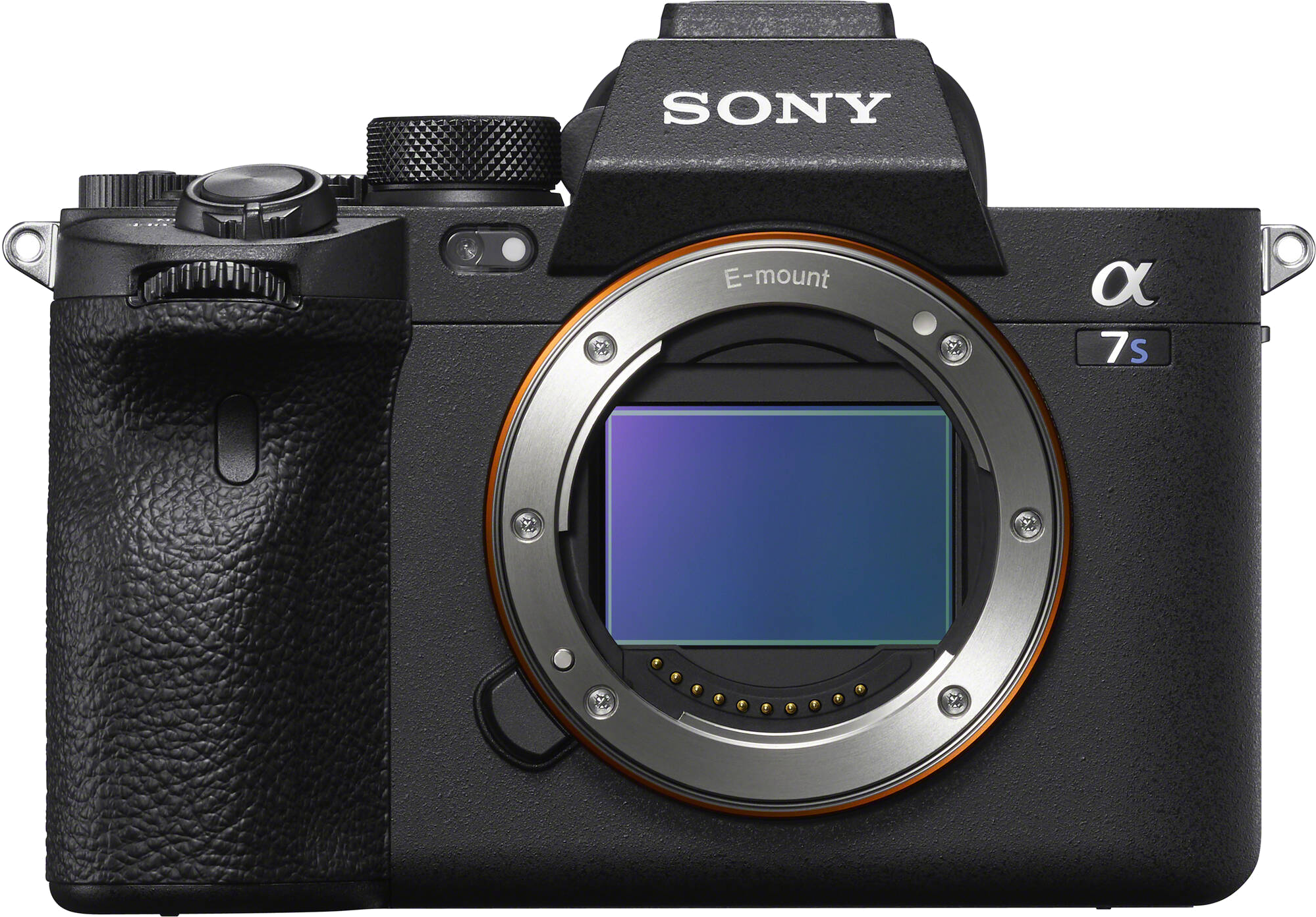
- Photo Resolution
- 12.1 MP
- Sensor Size
- Full Frame
- Internal 4K Recording
- 120p · XAVC S / HS
- View at Top 4K Rate
- About 1.1× crop at 120p
Strengths
- 10-bit 4K120 with autofocus
- Modest 1.1× crop in the 120p mode
- Two card slots for a backup recording route
- Full-size HDMI and a large viewfinder
Trade-Offs
- 12.1MP stills leave less cropping room
- No built-in cooling fan
The Sony a7S III suits a video-first shooter who still wants a conventional camera body and viewfinder. It records 4K120 with autofocus and a modest 1.1× crop. That keeps a wider view than the high-speed modes on the Sony a7 V or Sony a6700. Internal XAVC S or XAVC HS recording can retain 4:2:2 10-bit color at 120p.
Its practical appeal is the recording setup. There are two card slots, a full-size HDMI socket and separate microphone and headphone connections. The large electronic viewfinder is useful outdoors when a rear screen is difficult to see. Choose media by the exact recording format: ordinary 4K120 Long GOP recording and the most demanding All-Intra slow-motion settings do not have the same card requirement.
The compromise is only 12.1MP for still photos. That can be enough for online work and modest prints, but it leaves far less cropping room than the a7 V. Buy the a7S III because its video handling and modest 120p crop matter more than high-resolution stills.
It has no cooling fan, so long recordings still depend on temperature, power and recording settings. A dedicated cinema camera is worth considering if uninterrupted takes dominate your work. The smaller Sony ZV-E1 costs less and adds tools for a solo presenter, but gives up the viewfinder and second card slot.
Sony RX10 V
- Photo Resolution
- 20.1 MP
- Sensor Size
- 1-inch type
- Internal 4K Recording
- 120p · XAVC S / HS
- View at Top 4K Rate
- Narrower view than 4K60
Strengths
- Built-in 24–600mm-equivalent optical zoom
- Full-width 4K60 and cropped 4K120
- Optical stabilization for the long zoom
- Microphone and headphone ports for sound
Trade-Offs
- Fixed lens cannot be changed
- One card slot and a smaller sensor
The Sony RX10 V is the most practical choice here when your subjects can be close one moment and distant the next. Its built-in 24–600mm-equivalent zoom covers a range that would take several lenses on most interchangeable-lens kits. The lens has optical stabilization and an f/2.4–4 maximum aperture, with no lens changes needed between a wide scene and a distant subject.
That reach comes with proper movie tools. It records full-width 4K60 and cropped 4K120, including internal 4:2:2 10-bit options. Subject recognition autofocus works in movies as well as stills. Its microphone and headphone connections are useful for recording sound, and USB-C power support helps when the camera is on a tripod.
The camera's 1-inch-type sensor is much smaller than those in the Sony a6700 and full-frame models. You also cannot replace the zoom with a faster lens for a dark venue. It has one card slot, and the long lens makes this a bag camera rather than a pocket camera. Those are worthwhile compromises for daylight travel and wildlife when reach matters more than a small body.
Choose the Sony RX100 VII for pocket carry and a shorter zoom. Choose the a6700 for a lens system you can develop over time. The RX10 V is the simpler complete setup when you want its long optical reach from the start.
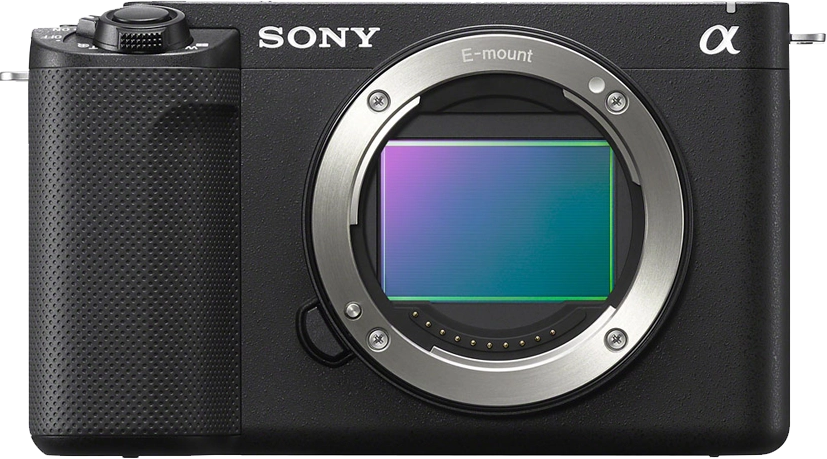
Sony ZV-E1
- Photo Resolution
- 12 MP
- Sensor Size
- Full Frame
- Internal 4K Recording
- 120p · XAVC S / HS (license)
- View at Top 4K Rate
- About 10% image crop at 120p
Strengths
- Full-frame 10-bit 4K60 recording
- Free license adds cropped 4K120
- Automatic framing for a solo presenter
- Side-opening screen and directional microphone
Trade-Offs
- No viewfinder and only one card slot
- Heat limits its suitability for long takes
The Sony ZV-E1 is designed around a person filming without a camera operator. Automatic framing can crop the picture to follow a presenter, while subject recognition autofocus reduces the need to manage focus from in front of the lens. A side-opening screen and directional built-in microphone suit that style of recording.
Its full-frame sensor records 4K60 internally with 4:2:2 10-bit color. A free Sony upgrade license adds 4K120 with an approximately 10% image crop. Automatic framing and the stronger electronic stabilization modes narrow the view further, so a lens that is wide enough for an ordinary shot may become tight when those tools are active.
Heat is the more serious limit. Sony's manual gives about 30 minutes for one specified 4K60 setup at 77°F with the higher temperature setting, an open screen and Wi-Fi off. That is a conditional example, not a guarantee for all modes. Sony instructs users to put the camera on a tripod when using that higher setting. This makes the ZV-E1 a better fit for short planned clips than an unattended event recording.
There is no viewfinder and only one card slot. Still photos are about 12MP, with less room to crop than the Sony ZV-E10 II or Sony a7 V. Pick it for its solo-video tools and full-frame movie output. The Sony a7S III is the stronger choice when you need a viewfinder, two cards and more conventional video handling.
Sony RX100 VII
- Photo Resolution
- 20 MP
- Sensor Size
- 1-inch type
- Internal 4K Recording
- 30p · XAVC S
- View at Top 4K Rate
- View changes with SteadyShot
Strengths
- Pocket-size camera with a built-in zoom
- 24–200mm-equivalent lens for travel
- Pop-up viewfinder for bright outdoor light
- Movie Eye AF and an external microphone input
Trade-Offs
- 4K stops at 30p and 8-bit recording
- Short standard-temperature 4K recording limit
The Sony RX100 VII solves a different problem from the larger bodies: you can bring a useful zoom without a separate lens. Its built-in 24–200mm-equivalent range covers wide travel scenes and distant details. A pop-up viewfinder also gives you an alternative to the rear screen in strong daylight.
It records 4K at up to 30p with phase-detection autofocus and human Eye AF for movies. These are 8-bit files, so they offer less freedom for heavy color adjustment than the newer 10-bit cameras above. There is no 4K60 option. Choose it for good everyday travel clips and 20MP photos from one small package.
The recording limits need to suit your plans. At the standard temperature setting, Sony specifies approximately five minutes of continuous 4K recording. The higher setting can extend that time, but it is not a promise of an uninterrupted long take. A microphone input lets you improve recorded sound, although there is no headphone socket to monitor it.
The Sony RX10 V offers a much longer lens and stronger 4K modes if you can carry a larger camera. The Sony a6700 gives you more room to develop a photo-and-video system. The RX100 VII makes most sense when pocket carry is what ensures you bring the camera at all.
Which Setup Should You Buy?
Can You Keep Your Existing Sony Lenses?
The interchangeable-lens bodies here use Sony E-mount. Full-frame FE lenses also fit the APS-C Sony a6700, where they give a narrower view. An APS-C E lens does not cover a full-frame sensor. If you buy the Sony a7 V for wide full-frame 4K60, budget for a full-frame lens rather than relying on an APS-C kit zoom. Older Sony A-mount lenses need an adapter, with compatibility and autofocus limits that depend on the exact lens and body.
Do You Need Long, Uninterrupted Takes?
The Sony a7 V and Sony a7S III provide dual-card recording options that the smaller single-slot bodies lack. A second card protects against some recording failures, but it does not prevent a camera from stopping because of heat or loss of power. Larger cards and external power cannot remove a thermal limit.
For an interview assembled from short takes, a hybrid camera remains a sensible choice. For a ceremony, stage show or long unattended recording, active cooling, audio connections and continuous-recording behavior should lead the choice. Our wider Sony video guide is the next place to compare video-first options. A camcorder can also be a better tool when you need a built-in power zoom and long recording sessions more than high-resolution stills.
Our Verdict
The Sony a7 V is the strongest all-round choice for regular photo-and-video work. Choose the Sony a6700 for a smaller lens system and lower whole-kit cost, or the Sony RX100 VII when pocket carry matters most. Compare those three first, then move to a specialist pick only if its wider slow-motion view, higher still resolution or longer built-in zoom solves a need those cameras cannot meet.
Our Three Top Picks Side by Side
- Video
- 91
- Optics
- 81 (highest)
- Features
- 87 (highest)
- Storage & Battery
- 81 (highest)
- Video
- 91
- Optics
- 73
- Features
- 83
- Storage & Battery
- 43
- Video
- 91
- Optics
- 60
- Features
- 68
- Storage & Battery
- 29