
Canon EF 16-35mm F/2.8L III USM vs Canon EF 24-70mm F/2.8L II USM — Which Is Better?
Side by side42 specifications |
Canon · f/2.8 · Canon EF mount
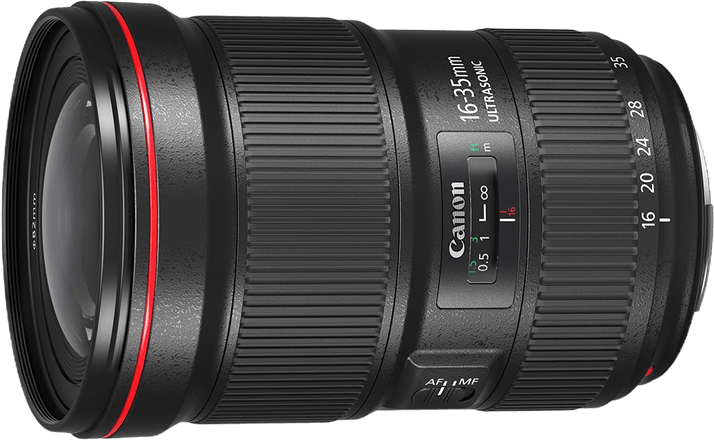
Canon EF 16-35mm F/2.8L III USM
78
SCORE
|
Canon · f/2.8 · Canon EF mount
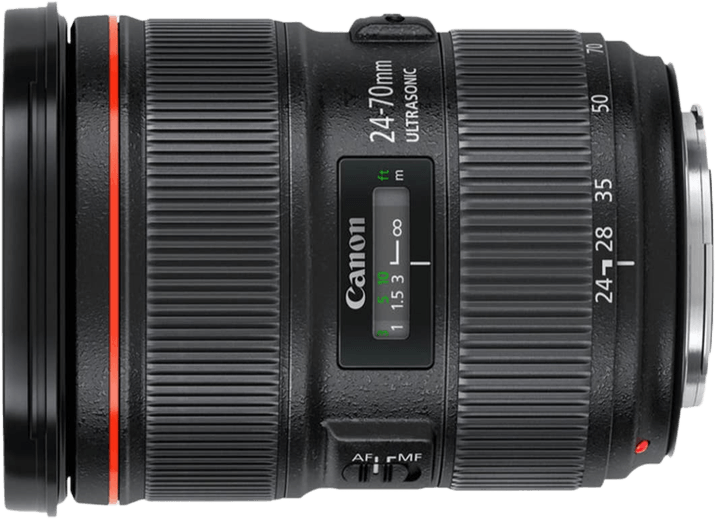
Canon EF 24-70mm F/2.8L II USM
87
WINNER
|
|---|---|---|
 |  | |
| General | ||
Read the General ComparisonGeneralThe Canon EF 16-35mm F/2.8L III USM and the Canon EF 24-70mm F/2.8L II USM are both L-series full-frame zooms for the Canon EOS system, but they answer different shooting needs. The 16-35mm III, released in 2016, is the ultra-wide tool for architecture, landscapes and cramped interiors. The 24-70mm II, from 2012, is the standard-range workhorse for events, portraits and general assignments. Both share the Canon EF mount, so either fits the same EOS bodies. | ||
| Release Year | 2016 | 2012 |
Production Status ⓘCurrent status of lens manufacturing (e.g., in production, discontinued). |
 In Production In Production | In Production |
Version ⓘThe iteration or release number of a particular lens model. |
III | II |
Pro Branding ⓘSpecific branding codes used for professional-tier lenses. |
L | L |
Lens Mount ⓘThe lens mount will tell you what type of lens range you can fit onto the camera body. Often the same camera company will have different lens ranges for different cameras. |
Canon EF | Canon EF |
System ⓘIndicates which camera system the lens is designed to attach to. |
Canon EOS | Canon EOS |
Maximum Format ⓘLargest sensor size compatible with the lens. |
 Full Frame Full Frame | Full Frame |
| Physical | 100/100 | 100/100 |
Read the Physical ComparisonPhysicalOne 82mm filter set fits both lenses directly, so a shared polariser or ND collection serves either. The 24-70mm weighs 805g against 790g for the 16-35mm, a 15g difference that keeps them in the same weight class. The 16-35mm is the longer barrel at 127.5mm against 113mm, and diameters nearly match at 88.5mm and 89mm. | ||
| Lens Weight | 790 g | 805 g |
Lens Diameter ⓘWidth of the lens at its widest point |
88.5 mm | 89 mm |
Lens Length ⓘHow long the lens is from front to back. |
127.5 mm | 113 mm |
Front Filter Compatible ⓘSome lenses are compatible with front filters, some are compatible with back filters and some are compatible with both. Front filters are usually more convenient to add and remove. |
 Yes Yes | Yes |
Front Filter Size ⓘDiameter of attachable filters. |
82 mm | 82 mm |
| Optics | 81/100 | 81/100 |
Read the Optics ComparisonOpticsThe 16-35mm III is the pick for ultra-wide work, and the 24-70mm II wins standard-range flexibility, so focal range decides this purchase. The 16-35mm starts at 16mm against 24mm, wide enough to fit whole buildings and interiors. The 24-70mm reaches 70mm, twice the 16-35mm's longest setting, for portraits and tighter event framing. A similarity helps both in dim venues: each holds f/2.8 across its zoom range. The 16-35mm focuses closer, 28cm against 38cm, so you can work nearer to a foreground subject. Its maximum magnification is also higher, 0.25x versus 0.21x, handy for filling the frame with a close subject. Its internal zoom keeps barrel length constant while framing. | ||
Focal Range ⓘShortest to longest focal length of the lens (zoom range start - end ) |
16–35 mm | 24–70 mm |
Aperture Range ⓘLargest aperture at the lens's shortest focal length to longest focal length (aperture range start - end) |
2.8 | 2.8 |
| Focal Length Angle of View | 107.03°–63.44° | 84.07°–34.35° |
Flange Focal Distance ⓘDistance from lens mount to sensor. |
44 mm | 44 mm |
Diaphragm Type ⓘStructure and design of the aperture |
 Automatic Automatic | Automatic |
Blades ⓘNumber of diaphragm blades in aperture |
9020 | 9020 |
Zoom Lens ⓘZoom allows you to vary the focal length, change between long shots and close-ups |
 Yes Yes | Yes |
Zoom Mechanism ⓘSystem enabling zoom function |
 Manual Manual | Manual |
Zoom Ring ⓘIf zooming is adjusted using a zoom ring |
 Yes Yes | Yes |
Zoom Type ⓘThe design or approach to zooming |
 Rotary Rotary | Rotary |
Closest Focusing Distance ⓘMinimum distance for a subject to be in focus. |
28 cm01500 | 38 cm01500 |
Maximum Magnification ⓘLargest size a subject can be reproduced |
0.25x | 0.21x |
| Autofocus Mode |  Yes Yes | Yes |
| Manual Mode |  Yes Yes | Yes |
| Manual Focusing Ring |  Yes Yes | Yes |
| Features | 52/100 | 52/100 |
Read the Features ComparisonFeaturesWeather sealing on both lenses suits them to outdoor shooting, and the fluorine coating on each front element wipes clean easily. A useful difference appears when carrying the camera: the 24-70mm has a zoom lock that stops the barrel creeping downward on a strap, while the 16-35mm does not. Neither offers image stabilisation or teleconverter compatibility. | ||
Weather Sealing ⓘWeather sealing capabilities will give you more confidence when shooting in unfavourable conditions. |
 Yes Yes | Yes |
Fluorine Coating ⓘCoating to repel water and oil from lens elements. |
 Yes Yes | Yes |
| Built In Lens Hood | ✗ | ✗ |
| Lens Hood Type |  Petal Petal | Petal |
Zoom Lock ⓘZoom lock allows the zoom ring to be locked at the desired focal length |
No |  Yes Yes |
Teleconverter ⓘA teleconverter (extender) is an extra piece of equipment that fits between the lens and the camera body to enhance magnification |
✗ | ✗ |
| Image Stabilization | ✗ | ✗ |
| Construction | 69/100 | 32/100 |
Read the Construction ComparisonConstructionThe 16-35mm III carries more aspherical correction for its wide-angle view, with three aspherical elements including two bi-aspherical types, plus two low-dispersion elements in a 16-element layout. The 24-70mm II answers with 18 elements in 13 groups, including one super-low-dispersion element. The 16-35mm also uses internal focusing, so the barrel does not extend while focus moves, which helps when working close to a subject. | ||
Elements ⓘLens elements refer to individual pieces of glass within the lens. |
16 | 18 |
| Groups | 11 | 13 |
Aspherical Elements ⓘThe number of aspherical lens elements which can help correct aberrations such as spherical aberration. |
3 | 1 |
Bi Aspherical Elements ⓘElements with two non-spherical surfaces |
2 | 0 |
Low Dispersion ⓘElements that reduce chromatic aberration |
2 | 1 |
Super Low Dispersion ⓘAdvanced elements further reducing chromatic aberration |
0 | 1 |
CA Reduction ⓘBuilt-in features to reduce chromatic aberration |
0 | 0 |
Internal Focusing ⓘInternal Focusing means that the lens does not change in size during focusing, and the front element does not rotate. |
 Yes Yes | No |
Read: Verdict
Verdict
Choose the 16-35mm III for ultra-wide work: architecture, landscapes, interiors and night skies at 16mm and f/2.8. Choose the 24-70mm II when one lens must cover a whole event, from group scenes at 24mm to portraits at 70mm. Both share the constant f/2.8 aperture, weather sealing, fluorine coating and 82mm filter thread, so neither gives up the core L-series toolkit. The focal range your subjects demand should decide.