
Canon EF 35mm F/1.4L II USM vs Canon EF 50mm F/1.4 USM — Which Is Better?
Side by side38 specifications |
Canon · f/1.4 · Canon EF mount
Canon EF 35mm F/1.4L II USM
79
WINNER
|
Canon · f/1.4 · Canon EF mount
Canon EF 50mm F/1.4 USM
53
SCORE
|
|---|---|---|
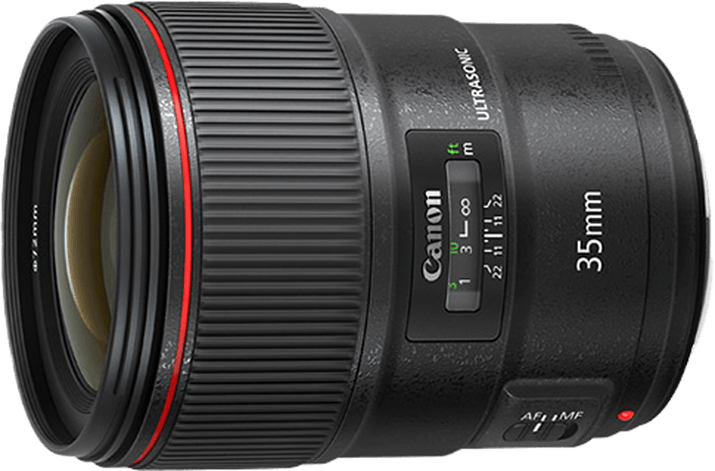 | 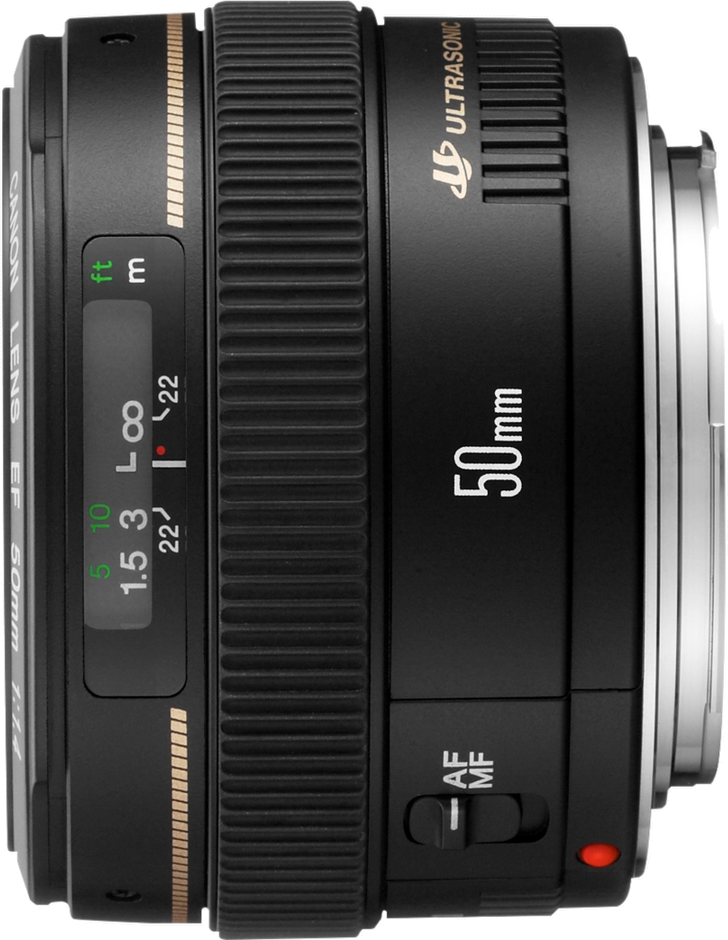 | |
| General | ||
Read the General ComparisonGeneralThe Canon EF 35mm F/1.4L II USM and the Canon EF 50mm F/1.4 USM are both full-frame prime lenses for Canon EOS cameras, so either one mounts directly on the same EF bodies. Both are fixed-focal-length designs rather than zooms. The 35mm is the 2015 second-generation L-series version, while the 50mm dates back to 1993, making it the far older design of the pair. | ||
| Release Year | 2015 | 1993 |
Production Status ⓘCurrent status of lens manufacturing (e.g., in production, discontinued). |
 In Production In Production | In Production |
Version ⓘThe iteration or release number of a particular lens model. |
II | N/A |
Pro Branding ⓘSpecific branding codes used for professional-tier lenses. |
L | N/A |
Lens Mount ⓘThe lens mount will tell you what type of lens range you can fit onto the camera body. Often the same camera company will have different lens ranges for different cameras. |
Canon EF | Canon EF |
System ⓘIndicates which camera system the lens is designed to attach to. |
Canon EOS | Canon EOS |
Maximum Format ⓘLargest sensor size compatible with the lens. |
 Full Frame Full Frame | Full Frame |
| Physical | 100/100 | 43/100 |
Read the Physical ComparisonPhysicalThe EF 50mm F/1.4 USM is the far more compact option, weighing 290 g against 760 g for the 35mm and measuring 51 mm long versus 105.5 mm. That makes the 50mm the easier lens to keep in a bag as an everyday standard. Both take front filters, but in different direct-fit sizes: 58 mm for the 50mm and 72 mm for the 35mm. Filters will not transfer between them without a step ring. | ||
| Lens Weight | 760 g | 290 g |
Lens Diameter ⓘWidth of the lens at its widest point |
80.4 mm | 74 mm |
Lens Length ⓘHow long the lens is from front to back. |
105.5 mm | 51 mm |
Front Filter Compatible ⓘSome lenses are compatible with front filters, some are compatible with back filters and some are compatible with both. Front filters are usually more convenient to add and remove. |
 Yes Yes | Yes |
Front Filter Size ⓘDiameter of attachable filters. |
72 mm | 58 mm |
| Optics | 87/100 | 85/100 |
Read the Optics ComparisonOpticsFocal length is the real buying choice here: the 35mm suits environmental portraits, interiors and reportage where you want context, while the 50mm gives a tighter, classic standard view for head-and-shoulders work. A shared F/1.4 maximum aperture means both lenses let you shoot wide open in dim light. For small subjects, the 35mm is the stronger choice. It focuses to 28 cm against 45 cm for the 50mm, and its maximum magnification reaches 0.21x against 0.15x. | ||
Focal Range ⓘShortest to longest focal length of the lens (zoom range start - end ) |
35 mm | 50 mm |
Aperture Range ⓘLargest aperture at the lens's shortest focal length to longest focal length (aperture range start - end) |
1.4 | 1.4 |
| Focal Length Angle of View | 63.44° | 46.8° |
Flange Focal Distance ⓘDistance from lens mount to sensor. |
44 mm | 44 mm |
Diaphragm Type ⓘStructure and design of the aperture |
 Automatic Automatic | Automatic |
Blades ⓘNumber of diaphragm blades in aperture |
9020 | 8020 |
Zoom Lens ⓘZoom allows you to vary the focal length, change between long shots and close-ups |
✗ | ✗ |
Closest Focusing Distance ⓘMinimum distance for a subject to be in focus. |
28 cm01500 | 45 cm01500 |
Maximum Magnification ⓘLargest size a subject can be reproduced |
0.21x | 0.15x |
| Autofocus Mode |  Yes Yes | Yes |
| Manual Mode |  Yes Yes | Yes |
| Manual Focusing Ring |  Yes Yes | Yes |
| Features | 52/100 | Unscored |
Read the Features ComparisonFeaturesThe 35mm offers two practical protections the 50mm lacks: weather sealing for shooting in rain or dust, and a fluorine front coating that helps repel water and oil so the front element wipes clean easily. Neither lens offers image stabilization, so steady handheld shooting at slower shutter speeds depends on technique. Neither supports teleconverters. | ||
Weather Sealing ⓘWeather sealing capabilities will give you more confidence when shooting in unfavourable conditions. |
 Yes Yes | No |
Fluorine Coating ⓘCoating to repel water and oil from lens elements. |
 Yes Yes | No |
| Built In Lens Hood | ✗ | ✗ |
| Lens Hood Type |  Petal Petal |  Round Round |
Teleconverter ⓘA teleconverter (extender) is an extra piece of equipment that fits between the lens and the camera body to enhance magnification |
✗ | ✗ |
| Image Stabilization | ✗ | ✗ |
| Construction | 47/100 | 15/100 |
Read the Construction ComparisonConstructionThe 35mm L II carries the more elaborate correction design, with 14 elements in 11 groups including an aspherical element, plus low-dispersion and super-low-dispersion glass to control aberrations. The 50mm is a simpler 1993 design, with 7 elements in 6 groups and two elements aimed at reducing chromatic aberration. Both lenses use conventional barrel extension for focusing rather than an internal focusing system, so the barrel moves as focus changes. | ||
Elements ⓘLens elements refer to individual pieces of glass within the lens. |
14 | 7 |
| Groups | 11 | 6 |
Aspherical Elements ⓘThe number of aspherical lens elements which can help correct aberrations such as spherical aberration. |
1 | 0 |
Bi Aspherical Elements ⓘElements with two non-spherical surfaces |
0 | 0 |
Low Dispersion ⓘElements that reduce chromatic aberration |
1 | 0 |
Super Low Dispersion ⓘAdvanced elements further reducing chromatic aberration |
1 | 0 |
CA Reduction ⓘBuilt-in features to reduce chromatic aberration |
1 | 2 |
Internal Focusing ⓘInternal Focusing means that the lens does not change in size during focusing, and the front element does not rotate. |
✗ | ✗ |
Read: Verdict
Verdict
Choose the EF 35mm F/1.4L II USM if your work is environmental: wide reportage, interior scenes and close detail shots benefit from its wider view, 0.21x magnification, weather sealing and fluorine coating. Choose the EF 50mm F/1.4 USM for a classic standard perspective, tighter portraits and a much lighter everyday lens.
With both sharing the F/1.4 aperture and the same EF mount, the focal length and protection differences should drive your decision.