
Leica SL3 vs Sony a7R VI — Which Is Better?
Units
Side by side83 specifications |
Leica · Mirrorless · 60.3 MP · Full Frame · 8K video
Leica SL3
—
UNSCORED
|
Sony · Mirrorless · 66.8 MP · Full Frame · 8K video
Sony a7R VI
—
UNSCORED
|
|---|---|---|
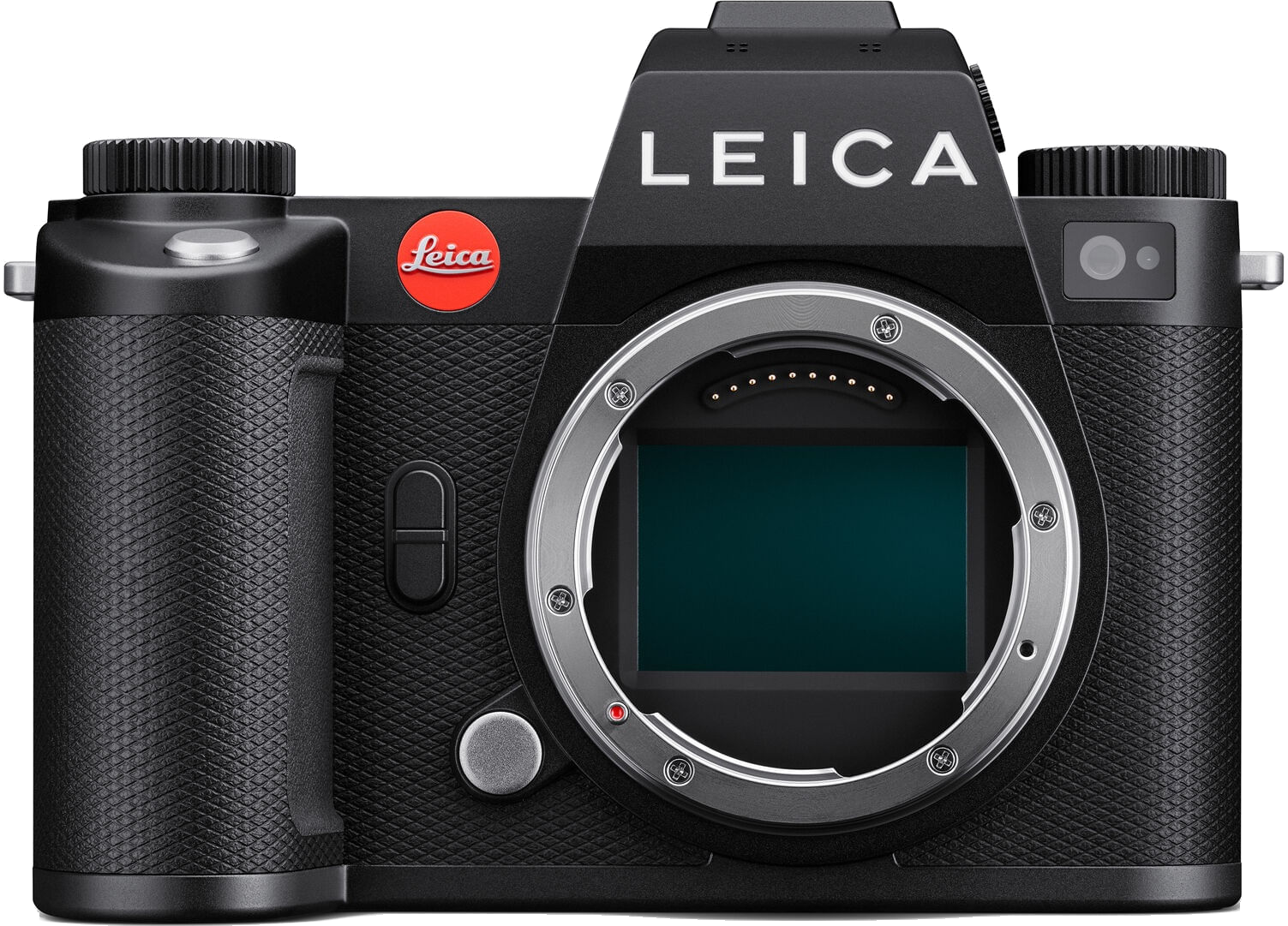 | 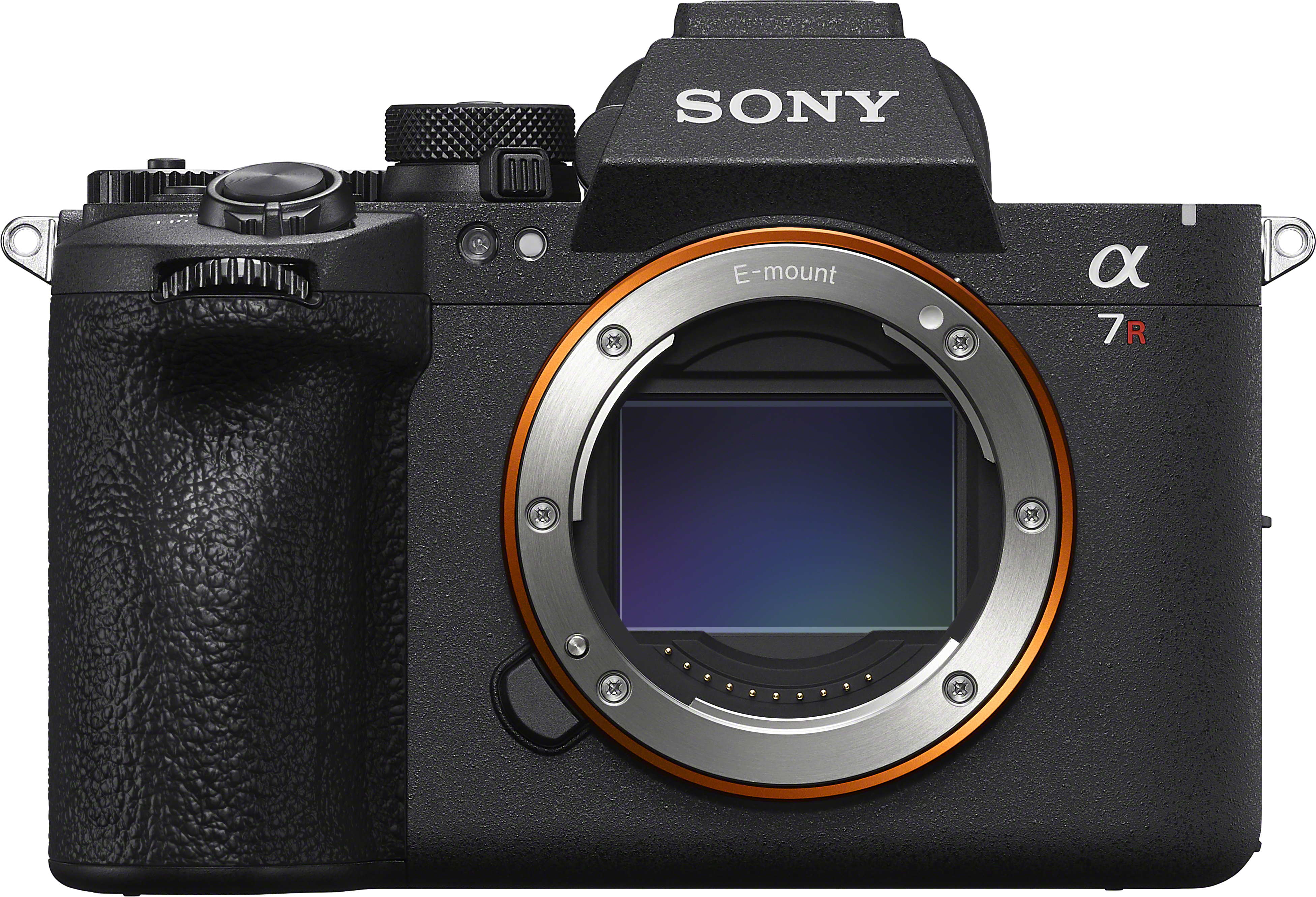 | |
| General | ||
Announcement date ⓘRefers to the date the manufacturer publicly announced the upcoming release and general specs of this camera. |
Mar 2024 | May 2026 |
Released ⓘRefers to the year this camera was officially made available for sale. |
2024 | 2026 |
| Camera weight | 855 g | 723 g |
| Camera type |  Mirrorless | Mirrorless |
| Sensor | ||
| Type | 60.3MP Full-Frame BSI CMOS | 66.8MP Fully Stacked Exmor RS BSI CMOS |
| Resolution | 60 Megapixels | — |
| Dynamic Range | 15 stops | 16 stops at low sensitivity |
| ISO Range | 50-100000 | — |
| Triple Resolution | 60MP, 36MP, or 18MP output | — |
| Format | — | Full-frame (35.8 x 23.8 mm) |
| Image processor | ||
| Processor | Maestro IV | — |
| Buffer | 8GB | — |
| Autofocus | ||
| Type | Hybrid AF (Phase Detection, Contrast Detection, Object Detection) | AI-based Real-time Recognition AF |
| AF Points | 315 AF areas | — |
| Subject Detection | Face, eye, and subject detection modes | — |
| Speed | — | AF/AE calculations up to 60 times per second |
| Low Light Performance | — | -6 EV autofocus |
| Subject Modes | — | Human, Animal, Bird, Insect, Car/Train, Airplane |
| Viewfinder | ||
| Type | EyeRes OLED Electronic Viewfinder | — |
| Resolution | 5.76 million pixels | 9.44M dots |
| Refresh Rate | Up to 120 fps | — |
| Magnification | 0.78x | 0.9x |
| Features | — | Bright enough for HDR display |
| Display | ||
| Type | 3.2-inch tiltable touchscreen LCD | — |
| Resolution | 2.3 million dots | — |
| Tilt Range | 90 degrees upward | — |
| Video | ||
| Recording Formats | 8K, C8K, 4K, Full HD | — |
| Video Codecs | H.264, H.265, ProRes | — |
| Log Support | Yes | — |
Max video resolution ⓘThe best resolution this camera can capture video in. Modern cameras can capture up to 8K video. |
 8K | 8K |
| 8K Recording | — | 10.9K oversampled 8K 30p (full-frame), 1.2x crop |
| 4K Recording | — | Up to 4K 120p (full-frame 5.5K pixel-binning oversampled) |
| APS C Mode | — | 7.1K oversampled 4K 60p, 4K 120p with 2.1x crop |
| Color Depths | — | 10-bit 4:2:2 internal |
| Codecs | — | S-Log2, S-Log3, S-Cinetone |
| Features | — | Dual Gain mode (4K up to 30fps), LUT import, Auto Framing |
| Image stabilization | ||
| Type | 5-axis in-body sensor-shift | 5-axis in-body (sensor-based) |
| Compensation | Up to 5 stops | 8.5 stops in center, 7 stops at periphery |
| ISO range | ||
| Native | ISO 50-100,000 | ISO 100-32000 |
| Expanded | ISO 50-200,000 with extended settings | — |
| Extended | — | Available up to ISO 102400 |
| Memory | ||
| Slots | CFexpress Type B and SD UHS-II dual card slots | — |
| Card Slots | — | Dual SD/UHS-II card slots |
| Weather sealing | ||
| Rating | IP54 (dust and splash resistant) | — |
| Connectivity | ||
| USB | USB-C (10 Gbps) | Dual USB-C ports (10Gbps main port, USB 2.0 secondary with Power Delivery) |
| Video Output | Full-size HDMI 2.1 | — |
| Tethering | Supported via USB-C | — |
| HDMI | — | Full-size HDMI connector |
| Build | ||
| Material | Magnesium and aluminum with faux-leather covering | — |
| Weather Sealing | IP54-rated dust and splash resistant | — |
| Dimensions | 141.2 x 108.1 x 84.6 mm | 133 x 97 x 83 mm |
| Sealing | — | Weather-sealed body |
| Release date | ||
| Date | March 7, 2024 | — |
| Processor | ||
| Image Engine | Leica Maestro IV | — |
| Buffer Memory | 8GB | — |
| Model | — | BIONZ XR2 |
| Features | — | Integrated AI processing unit |
| Shooting | ||
| Continuous Shooting | 15 fps (without AF), 5 fps (with AF) | — |
| Shutter Type | Electronic | — |
| Continuous Shooting (Electronic Shutter) | — | 30 fps blackout-free |
| Continuous Shooting (Mechanical Shutter) | — | 10 fps |
| Pre Capture | — | Up to 1 second buffering, adjustable 0.03-1.0 seconds |
| Buffer Capacity | — | Approximately 150 RAW frames |
| Storage | ||
| Card Slots | CFexpress Type B and SD UHS-II | — |
| Recording | Internal and external via USB-C and HDMI | — |
| Power | ||
| Battery | Leica BP-SCL6 Lithium-Ion | — |
| Charging | USB-C | — |
| Optics | ||
Megapixels ⓘThe higher the number of megapixels, the more detail the cameras sensor can capture. |
60.3 MP050 | 66.8 MP050 |
Sensor format ⓘRefers to the most commonly used sensor sizes. |
 Full Frame | Full Frame |
Viewfinder type ⓘThe viewfinder type is either electronic or optical. Electronic viewfinders will have a small screen in the viewfinder. Optical viewfinders will use prisms and mirrors to look through the lens. |
Electronic | Electronic |
Lens mount ⓘThe lens mount will tell you what type of lens range you can fit onto the camera body. Often the same camera company will have different lens ranges for different cameras. |
Leica L | Sony E |
Max ISO ⓘRefers to the highest native (or 'base') ISO setting. Higher ISO is necessary for low-light situations or night photography, but higher ISOs often introduce grain or noise. |
— | 320003003280000 |
Continuous shooting ⓘThe number of sequential frames per second the camera can write to the memory card when shooting in burst or continuous mode. |
— | 30 fps045 |
In-body stabilisation ⓘIn-body Stabilization means the camera has a certain technology embedded that counteracts camera shake. |
— |  Yes |
Autofocus points ⓘAutofocus points show where the camera is focusing graphically as squares or brackets in Live View or on an electronic viewfinder. These points are also used for light meter readings. |
— | 7590300 |
| Features | ||
Wi-Fi ⓘBuilt-in Wi-Fi allows you to connect your camera and share images wirelessly. |
 Yes | Yes |
Weather sealing ⓘWeather sealing capabilities will give you more confidence when shooting in unfavourable conditions. |
 Yes | — |
| LCD display | ||
| Size | — | 3.2 inch |
| Resolution | — | 2.1M dots |
| Type | — | Fully articulating/tilting touchscreen |
| Battery | ||
| Model | — | NP-SA100 Info-Lithium |
| Type | — | New higher-capacity battery |
| Storage & battery | ||
| Dual memory card slots | — |  Yes |