
Sigma 105mm F/1.4 DG HSM | A vs Sony FE 85mm F/1.4 GM SEL85F14GM — Which Is Better?
Side by side38 specifications |
Sigma · f/1.4 · Nikon F mount
Sigma 105mm F/1.4 DG HSM | A
73
SCORE
|
Sony · f/1.4 · Sony E mount
Sony FE 85mm F/1.4 GM SEL85F14GM
74
WINNER
|
|---|---|---|
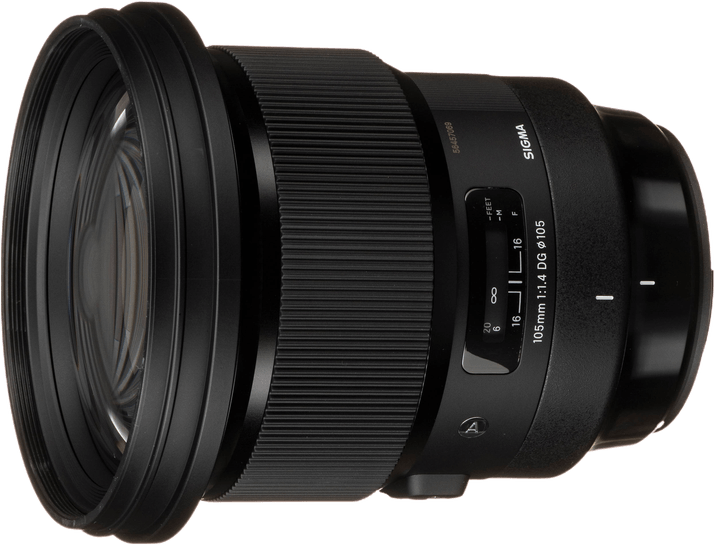 | 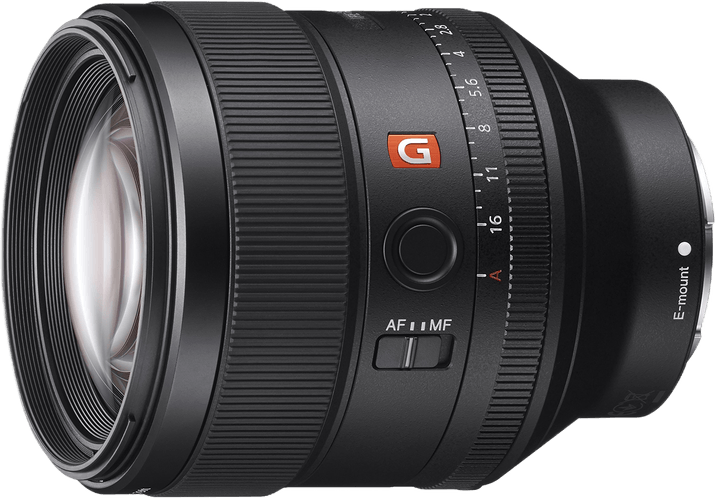 | |
| General | ||
Read the General ComparisonGeneralBoth the Sigma 105mm F/1.4 DG HSM Art and the Sony FE 85mm F/1.4 GM are full-frame F/1.4 primes, so both give the same widest setting for subject-isolating portraits in dim light. The Sigma dates from 2018 for Nikon F bodies, and the Sony version I from 2016 for Sony E cameras. | ||
| Release Year | 2018 | 2016 |
Production Status ⓘCurrent status of lens manufacturing (e.g., in production, discontinued). |
 In Production In Production | In Production |
Version ⓘThe iteration or release number of a particular lens model. |
N/A | I |
Pro Branding ⓘSpecific branding codes used for professional-tier lenses. |
Art | GM |
Lens Mount ⓘThe lens mount will tell you what type of lens range you can fit onto the camera body. Often the same camera company will have different lens ranges for different cameras. |
Nikon F | Sony E |
System ⓘIndicates which camera system the lens is designed to attach to. |
Nikon F | Sony E |
Maximum Format ⓘLargest sensor size compatible with the lens. |
 Full Frame Full Frame | Full Frame |
| Physical | 92/100 | 100/100 |
Read the Physical ComparisonPhysicalThe Sony is the lighter, more compact lens to carry, at 1 lb 12.9 oz (820 g) and 3.52 in (89.5 mm) across, against 3 lb 10 oz (1645 g) and 4.56 in (115.9 mm) for the Sigma. That roughly halves the bag load for a wedding or all-day portrait session. Both accept front filters, but the threads differ: the Sony takes 77mm filters and the Sigma 105mm, so a 77mm polariser or ND will not screw directly onto the Sigma. Existing 77mm filters fit the Sony directly. | ||
| Lens Weight | 1645 g | 820 g |
Lens Diameter ⓘWidth of the lens at its widest point |
115.9 mm | 89.5 mm |
Lens Length ⓘHow long the lens is from front to back. |
131.5 mm | 107.5 mm |
Front Filter Compatible ⓘSome lenses are compatible with front filters, some are compatible with back filters and some are compatible with both. Front filters are usually more convenient to add and remove. |
 Yes Yes | Yes |
Front Filter Size ⓘDiameter of attachable filters. |
105 mm | 77 mm |
| Optics | 86/100 | 88/100 |
Read the Optics ComparisonOpticsThe Sigma's 105mm focal length gives tighter framing from the same shooting distance, which suits compressed head-and-shoulders portraits when you cannot step closer to your subject. The Sony's 85mm is the classic moderate portrait length, easier to use in smaller rooms and for half-body work. Both offer autofocus, a manual focusing ring and manual focus, so manual focus stays available for posed work. The Sony focuses from 85 cm against 100 cm for the Sigma, so it can work slightly closer. Both offer 0.12x maximum magnification, and the Sony's 11-blade diaphragm against the Sigma's 9 keeps its opening rounder when stopped down. | ||
Focal Range ⓘShortest to longest focal length of the lens (zoom range start - end ) |
105 mm | 85 mm |
Aperture Range ⓘLargest aperture at the lens's shortest focal length to longest focal length (aperture range start - end) |
1.4 | 1.4 |
| Focal Length Angle of View | 23.285435408459023° | 28.56° |
Flange Focal Distance ⓘDistance from lens mount to sensor. |
44 mm | 18 mm |
Diaphragm Type ⓘStructure and design of the aperture |
 Automatic Automatic | Automatic |
Blades ⓘNumber of diaphragm blades in aperture |
9020 | 11020 |
Zoom Lens ⓘZoom allows you to vary the focal length, change between long shots and close-ups |
✗ | ✗ |
Closest Focusing Distance ⓘMinimum distance for a subject to be in focus. |
100 cm01500 | 85 cm01500 |
Maximum Magnification ⓘLargest size a subject can be reproduced |
0.12x | 0.12x |
| Autofocus Mode |  Yes Yes | Yes |
| Manual Mode |  Yes Yes | Yes |
| Manual Focusing Ring |  Yes Yes | Yes |
| Features | 32/100 | 32/100 |
Read the Features ComparisonFeaturesThe Sigma's fluorine-coated front element repels oil and water, so fingerprints and smudges wipe off more easily before a shoot. The Sony has no fluorine coating, so its front glass needs more careful cleaning. Weather sealing is shared, suiting portrait sessions that move outdoors. Neither lens offers built-in image stabilisation or teleconverter compatibility. | ||
Weather Sealing ⓘWeather sealing capabilities will give you more confidence when shooting in unfavourable conditions. |
 Yes Yes | Yes |
Fluorine Coating ⓘCoating to repel water and oil from lens elements. |
 Yes Yes | No |
| Built In Lens Hood | ✗ | ✗ |
| Lens Hood Type |  Round Round | Round |
Teleconverter ⓘA teleconverter (extender) is an extra piece of equipment that fits between the lens and the camera body to enhance magnification |
✗ | ✗ |
| Image Stabilization | ✗ | ✗ |
| Construction | 54/100 | 31/100 |
Read the Construction ComparisonConstructionThe Sigma uses a larger optical formula of 17 elements in 12 groups, including three elements dedicated to reducing chromatic aberration, aimed at keeping colour fringing low on high-contrast portrait edges. The Sony takes a smaller 11-element, 8-group approach built around one bi-aspherical element and one low-dispersion element. Neither lens uses internal focusing, so the barrel moves during focusing rather than staying a fixed length. | ||
Elements ⓘLens elements refer to individual pieces of glass within the lens. |
17 | 11 |
| Groups | 12 | 8 |
Aspherical Elements ⓘThe number of aspherical lens elements which can help correct aberrations such as spherical aberration. |
1 | 0 |
Bi Aspherical Elements ⓘElements with two non-spherical surfaces |
0 | 1 |
Low Dispersion ⓘElements that reduce chromatic aberration |
1 | 1 |
Super Low Dispersion ⓘAdvanced elements further reducing chromatic aberration |
0 | 0 |
CA Reduction ⓘBuilt-in features to reduce chromatic aberration |
3 | 0 |
Internal Focusing ⓘInternal Focusing means that the lens does not change in size during focusing, and the front element does not rotate. |
✗ | ✗ |
Read: Verdict
Verdict
Your camera mount settles most of this choice: the Sigma 105mm F/1.4 Art serves Nikon F shooters, and the Sony FE 85mm F/1.4 GM serves Sony E bodies. The Sigma also comes in a Sony E mount version, so Sony photographers can genuinely weigh the two.
On Sony E, choose the 85mm GM for a lighter lens at all-day events, closer focusing, a rounder stopped-down aperture and 77mm filters. Choose the 105mm Art for tighter compression of distant subjects and a front element that wipes clean easily.