Higher Score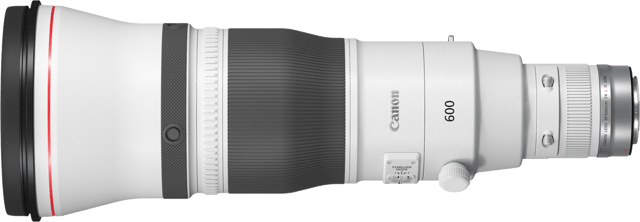
Canon · 1200 mm · f/8 · L · Image Stabilization
This lens score is calculated from published specifications.
General | |
|---|---|
About This LensThis Canon prime is built to make very distant subjects large. Bird and wildlife specialists are the clearest audience. At 1200mm, a perched bird, a stag at the field edge or a plane crossing the sky can fill the frame. It is made for the Canon RF mount and covers full frame. The trade-off is reach against versatility. The focal length is fixed and the maximum aperture is F/8. That means no zoom fallback and a reliance on good light. Canon introduced the lens in 2022, and it remains in production. It makes sense when extreme reach is the whole point of the shoot. | |
| Brand | Canon |
| Release Year | 2022 |
Production Status ⓘCurrent status of lens manufacturing (e.g., in production, discontinued). |  In Production |
Pro Branding ⓘSpecific branding codes used for professional-tier lenses. | L |
Lens Mount ⓘThe lens mount will tell you what type of lens range you can fit onto the camera body. Often the same camera company will have different lens ranges for different cameras. | Canon RF |
System ⓘIndicates which camera system the lens is designed to attach to. | Canon EOS R |
Maximum Format ⓘLargest sensor size compatible with the lens. |  Full Frame |
Physical91/100 | |
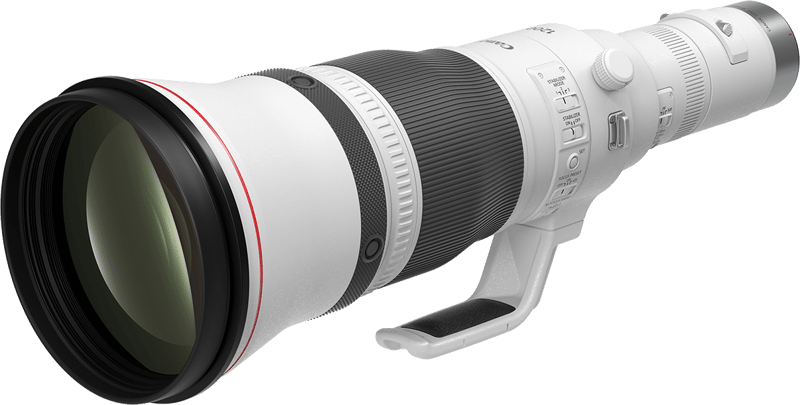
About the BuildThis is a big lens: 7 lb 5.8 oz (3340 g), about 6.61 in (168 mm) across and 21.14 in (537 mm) long. That weight makes solid support the practical choice for long shooting days. It handles like a piece of specialist equipment rather than a walkaround lens. | |
| Lens Weight | 3340 g |
Lens Diameter ⓘWidth of the lens at its widest point | 168 mm |
Lens Length ⓘHow long the lens is from front to back. | 537 mm |
Front Filter Compatible ⓘSome lenses are compatible with front filters, some are compatible with back filters and some are compatible with both. Front filters are usually more convenient to add and remove. | No |
Optics59/100 | |
About the OpticsThe 1200mm focal length does the main work here. A bird across a lake or a deer at the field edge grows large in the frame. A winger on the far side of the pitch does too. The long working distance also means shy subjects stay relaxed and you stay clear of the play. The F/8 maximum is the main optical constraint. Bright daylight keeps shutter speeds comfortable. Under flat or fading light you depend on higher ISO, which adds noise to your files. Depth of field stays thin at this focal length, so exact focus placement matters. Focusing reaches as close as 14.1 ft (430 cm). That matters when an approachable subject, such as a bird at a feeding station, comes within a few paces. The lens also offers 0.29x maximum magnification, so small subjects can render at useful size on the sensor. Nine aperture blades shape the highlights in blurred backgrounds, which appear often at this focal length. The optics specification scores 59/100. | |
Focal Range ⓘShortest to longest focal length of the lens (zoom range start - end ) | 1200 mm |
Aperture Range ⓘLargest aperture at the lens's shortest focal length to longest focal length (aperture range start - end) | 8 |
| Focal Length Angle of View | 2.065766509286853° |
Flange Focal Distance ⓘDistance from lens mount to sensor. | 20 mm |
Diaphragm Type ⓘStructure and design of the aperture |  Automatic |
Blades ⓘNumber of diaphragm blades in aperture | 9020 |
Zoom Lens ⓘZoom allows you to vary the focal length, change between long shots and close-ups | No |
Closest Focusing Distance ⓘMinimum distance for a subject to be in focus. | 430 cm01500 |
Maximum Magnification ⓘLargest size a subject can be reproduced | 0.29x |
| Autofocus Mode |  Yes |
| Manual Mode |  Yes |
| Manual Focusing Ring |  Yes |
Features93/100 | |
About the FeaturesAt 1200mm, small camera movements show up strongly in the frame. The built-in image stabilisation helps counter that shake. It also steadies the finder image, so placing your focus point is easier. Weather sealing protects the lens in the field. Long-lens wildlife work often means waiting through wind, dust and drizzle. A fluorine coating on the front element helps repel water and oil, so the large glass cleans easily. That easy-clean surface matters here, because the front takes no screw-in filter for protection. Wiping rain off before a shot is quicker than waiting for a break in the weather. | |
Weather Sealing ⓘWeather sealing capabilities will give you more confidence when shooting in unfavourable conditions. |  Yes |
Fluorine Coating ⓘCoating to repel water and oil from lens elements. |  Yes |
| Built In Lens Hood | No |
| Lens Hood Type |  Round |
Teleconverter ⓘA teleconverter (extender) is an extra piece of equipment that fits between the lens and the camera body to enhance magnification |  Yes |
| Image Stabilization | Yes |
IS Efficiency ⓘIS efficiency refers to the effectiveness of the image stabilization system in compensating for the blurring effects of camera shake, quantified by the number of stops of stabilization it provides. | 4 stops |
Construction55/100 | |
About the ConstructionInside, 26 elements in 18 groups include low-dispersion and super-low-dispersion glass. That glass helps reduce chromatic aberration, where colours focus differently and leave coloured fringes on high-contrast edges, such as a bird against a bright sky. Internal focusing moves the focusing groups inside the barrel, so the lens keeps a fixed length while you focus. The construction specification scores 55/100. | |
Elements ⓘLens elements refer to individual pieces of glass within the lens. | 26 |
| Groups | 18 |
Aspherical Elements ⓘThe number of aspherical lens elements which can help correct aberrations such as spherical aberration. | 0 |
Bi Aspherical Elements ⓘElements with two non-spherical surfaces | 0 |
Low Dispersion ⓘElements that reduce chromatic aberration | 1 |
Super Low Dispersion ⓘAdvanced elements further reducing chromatic aberration | 1 |
CA Reduction ⓘBuilt-in features to reduce chromatic aberration | 2 |
Internal Focusing ⓘInternal Focusing means that the lens does not change in size during focusing, and the front element does not rotate. |  Yes |
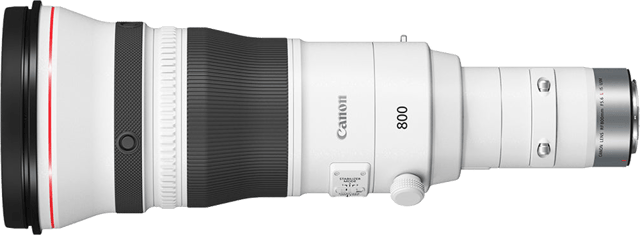
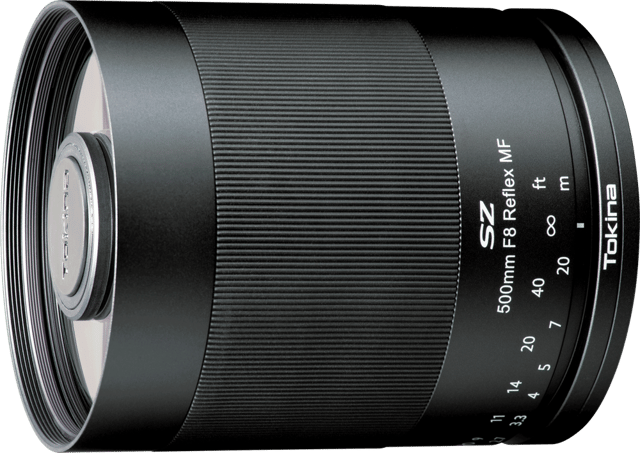
500 mm · f/8 · Manual focus instead of autofocus