
Similar Focal Range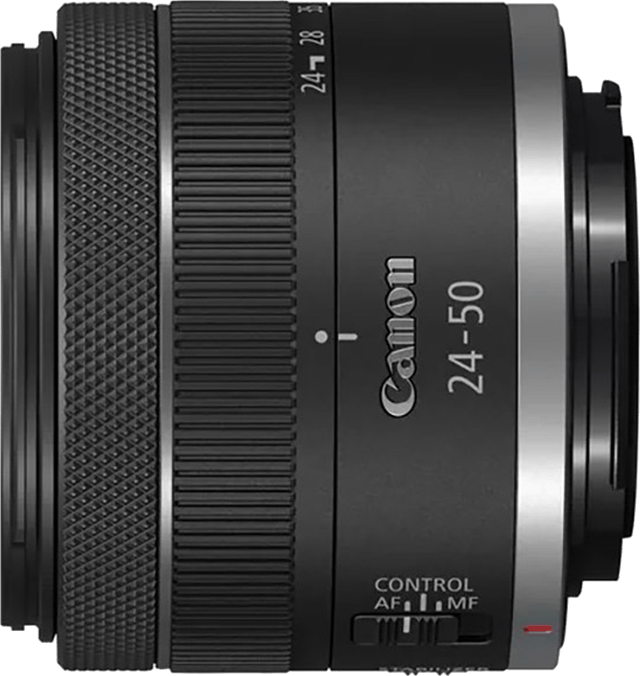
Canon RF 24-50mm F/4.5-6.3 IS STM
24–50 mm instead of 20–50 mm · f/4.5–6.3 instead of f/4
Canon · 20–50 mm · f/4 · L · Image Stabilization
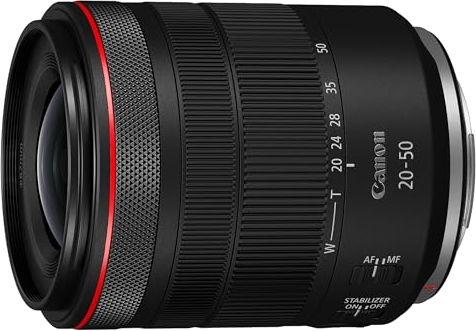
This lens score is calculated from published specifications.
General | |
|---|---|
About This LensThe Canon RF 20-50mm F4 L IS USM PZ is a full-frame zoom for Canon RF mount cameras. Canon released it in 2026, and it remains in production. The range runs from an ultrawide 20mm to a normal 50mm. That spread suits interiors, architecture and wide landscapes, while 50mm frames people and everyday scenes. Travel shooters can cover most of a day with one lens. The main trade-off is a modest one. The maximum aperture is F4 rather than a brighter setting, and the zoom ends at a normal view rather than reaching telephoto lengths. | |
| Brand | Canon |
| Release Year | 2026 |
Production Status ⓘCurrent status of lens manufacturing (e.g., in production, discontinued). |  In Production |
Pro Branding ⓘSpecific branding codes used for professional-tier lenses. | L |
Lens Mount ⓘThe lens mount will tell you what type of lens range you can fit onto the camera body. Often the same camera company will have different lens ranges for different cameras. | Canon RF |
System ⓘIndicates which camera system the lens is designed to attach to. | Canon EOS R |
Maximum Format ⓘLargest sensor size compatible with the lens. |  Full Frame |
Physical100/100 | |
About the BuildAt 14.8 oz (420 g), this lens stays light and easy to carry through a full day of walking. The body measures 3.15 in (79.9 mm) across and 3.87 in (98.4 mm) long. A screw-in filter must match the 67mm thread on the front, so a protective or polarising filter screws straight on. | |
| Lens Weight | 420 g |
Lens Diameter ⓘWidth of the lens at its widest point | 79.9 mm |
Lens Length ⓘHow long the lens is from front to back. | 98.4 mm |
Front Filter Compatible ⓘSome lenses are compatible with front filters, some are compatible with back filters and some are compatible with both. Front filters are usually more convenient to add and remove. |  Yes |
Front Filter Size ⓘDiameter of attachable filters. | 67 mm |
Optics72/100 | |
About the OpticsAt 20mm the lens takes in an ultrawide view. Small rooms, tight interiors and building exteriors all fit in frame without stepping back. Interior photographers will use the wide end most. At the other end, 50mm frames people and street scenes in a natural way. Landscapes, architecture and travel work all sit within this span. The maximum aperture stays at F4 throughout the zoom. Your shutter speed and ISO can remain unchanged as you frame wider or tighter, which helps when you reframe quickly. At 50mm, F4 gives gentle background separation for portraits, though not strong blur. At 20mm, F4 leaves depth of field deep across a whole room. Closest focus is 0.8 ft (24 cm), so small subjects can sit close to the camera. Maximum magnification reaches 0.33x, which fills a useful share of the frame with a nearby subject. That reach suits food, flowers and small products photographed at close range. | |
Focal Range ⓘShortest to longest focal length of the lens (zoom range start - end ) | 20–50 mm |
Aperture Range ⓘLargest aperture at the lens's shortest focal length to longest focal length (aperture range start - end) | 4 |
| Focal Length Angle of View | 94°–46° |
Flange Focal Distance ⓘDistance from lens mount to sensor. | 20 mm |
Diaphragm Type ⓘStructure and design of the aperture |  Automatic |
Blades ⓘNumber of diaphragm blades in aperture | 9020 |
Zoom Lens ⓘZoom allows you to vary the focal length, change between long shots and close-ups |  Yes |
Zoom Mechanism ⓘSystem enabling zoom function |  Electric |
Zoom Ring ⓘIf zooming is adjusted using a zoom ring |  Yes |
Zoom Type ⓘThe design or approach to zooming |  Rotary |
Closest Focusing Distance ⓘMinimum distance for a subject to be in focus. | 24 cm01500 |
Maximum Magnification ⓘLargest size a subject can be reproduced | 0.33x |
| Autofocus Mode |  Yes |
| Manual Mode |  Yes |
| Manual Focusing Ring |  Yes |
Features81/100 | |
About the FeaturesImage stabilisation helps steady the camera for handheld shots. You can use slower shutter speeds in dim interiors or at dusk without raising ISO as much. That support suits the slow, deliberate framing that interiors and architecture often demand. The effect also smooths small camera movement in handheld video. Weather sealing lets you keep shooting when rain, dust or spray arrives. Landscape and architecture work often happens in conditions you cannot choose, so this protection earns its place. A fluorine coating on the front element helps water and oil slide off, so the glass wipes clean quickly. The power zoom moves the focal length with an electric motor. The motor can drive the zoom at a steady rate, which suits video recording. | |
Weather Sealing ⓘWeather sealing capabilities will give you more confidence when shooting in unfavourable conditions. |  Yes |
Fluorine Coating ⓘCoating to repel water and oil from lens elements. |  Yes |
| Built In Lens Hood | No |
| Lens Hood Type |  Petal |
Zoom Lock ⓘZoom lock allows the zoom ring to be locked at the desired focal length | No |
Teleconverter ⓘA teleconverter (extender) is an extra piece of equipment that fits between the lens and the camera body to enhance magnification | No |
| Image Stabilization | Yes |
IS Efficiency ⓘIS efficiency refers to the effectiveness of the image stabilization system in compensating for the blurring effects of camera shake, quantified by the number of stops of stabilization it provides. | 6 stops |
Construction54/100 | |
About the ConstructionThe optical path uses 13 elements in 11 groups. Two aspherical elements have specially shaped surfaces that help correct distortion, which can curve straight edges in ultrawide shots of buildings. Three low-dispersion elements help reduce chromatic aberration, where different colours focus differently and leave coloured fringes along high-contrast edges. Focusing is internal, so the barrel does not extend as the lens focuses. | |
Elements ⓘLens elements refer to individual pieces of glass within the lens. | 13 |
| Groups | 11 |
Aspherical Elements ⓘThe number of aspherical lens elements which can help correct aberrations such as spherical aberration. | 2 |
Bi Aspherical Elements ⓘElements with two non-spherical surfaces | 0 |
Low Dispersion ⓘElements that reduce chromatic aberration | 3 |
Super Low Dispersion ⓘAdvanced elements further reducing chromatic aberration | 0 |
CA Reduction ⓘBuilt-in features to reduce chromatic aberration | 0 |
Internal Focusing ⓘInternal Focusing means that the lens does not change in size during focusing, and the front element does not rotate. |  Yes |
24–50 mm instead of 20–50 mm · f/4.5–6.3 instead of f/4
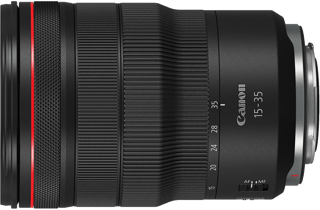
15–35 mm vs 20–50 mm · f/2.8 vs f/4 · 0.21× vs 0.33× close-up reach
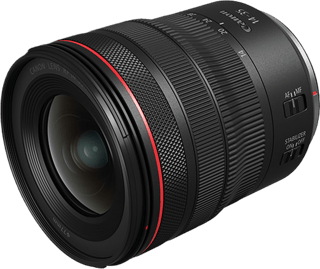
14–35 mm vs 20–50 mm · 540 g vs 420 g · Closest focus 20 cm vs 24 cm