
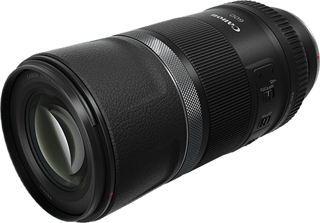
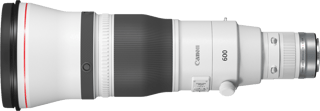
Canon RF 600mm F/11 IS STM versus Canon RF 600mm F/4L IS USM
f/4 vs f/11 · 3090 g vs 930 g
Canon · 600 mm · f/11 · Image Stabilization
This lens score is calculated from published specifications.
General | |
|---|---|
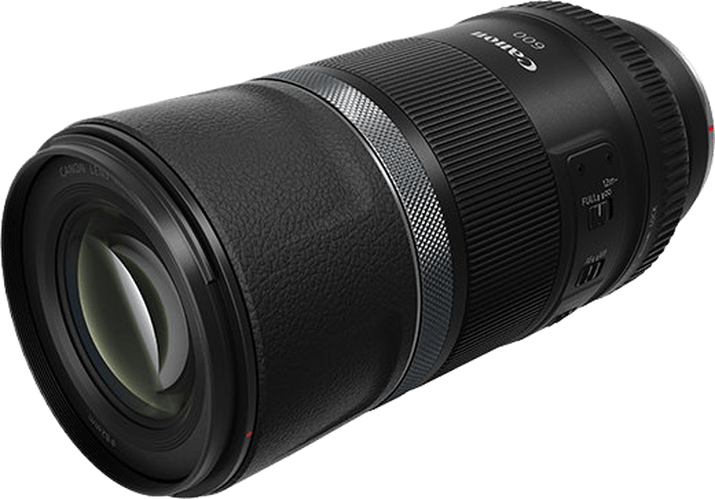
About This LensThis Canon prime puts 600mm of reach into a short, light barrel for RF-mount full-frame cameras. It suits photographing distant birds, wild animals and outdoor sport. It also works for the moon and air shows, where you cannot move closer. It weighs 2 lb 0.8 oz (930 g), light for this focal length, so handheld shooting is realistic for a whole outing. Canon launched it in 2020 and it is still in production. The trade-off is the fixed F/11 aperture. It keeps the size down, but you will need good light or higher ISO settings for fast shutter speeds. Optics and Features cover what that means in practice. | |
| Brand | Canon |
| Release Year | 2020 |
Production Status ⓘCurrent status of lens manufacturing (e.g., in production, discontinued). |  In Production |
Lens Mount ⓘThe lens mount will tell you what type of lens range you can fit onto the camera body. Often the same camera company will have different lens ranges for different cameras. | Canon RF |
System ⓘIndicates which camera system the lens is designed to attach to. | Canon EOS R |
Maximum Format ⓘLargest sensor size compatible with the lens. |  Full Frame |
Physical64/100 | |
About the BuildThe lens measures 10.61 in (269.5 mm) long and 3.66 in (93 mm) wide, and it weighs 2 lb 0.8 oz (930 g). Those are compact figures for a 600mm prime. The front accepts screw-in 82mm filters, so any polariser or ND filter you buy needs a matching 82mm thread. | |
| Lens Weight | 930 g |
Lens Diameter ⓘWidth of the lens at its widest point | 93 mm |
Lens Length ⓘHow long the lens is from front to back. | 269.5 mm |
Front Filter Compatible ⓘSome lenses are compatible with front filters, some are compatible with back filters and some are compatible with both. Front filters are usually more convenient to add and remove. |  Yes |
Front Filter Size ⓘDiameter of attachable filters. | 82 mm |
Optics51/100 | |
About the OpticsAt 600mm on a full-frame camera, distant subjects fill the frame. A wader on a far mudbank, a striker at the far touchline or a perched hawk all arrive large without cropping. The F/11 aperture is the working limit. In strong daylight it is fine, and the single aperture keeps settings simple. In woodland or evening light, you must raise ISO to hold shutter speeds fast enough for a moving animal. Fast action in poor light is not this lens's home. Depth of field at 600mm stays shallow even at F/11, so accurate focus matters. Backgrounds will blur, though less strongly than a fast telephoto would at this distance. Closest focus is 14.8 ft (450 cm). That is near enough for garden birds and other approachable subjects at this focal length. Maximum magnification stands at 0.14x, so very small subjects stay small in the frame. Our Optics score for this lens is 51 of 100. | |
Focal Range ⓘShortest to longest focal length of the lens (zoom range start - end ) | 600 mm |
Aperture Range ⓘLargest aperture at the lens's shortest focal length to longest focal length (aperture range start - end) | 11 |
| Focal Length Angle of View | 4.13° |
Flange Focal Distance ⓘDistance from lens mount to sensor. | 20 mm |
Diaphragm Type ⓘStructure and design of the aperture |  Fixed |
Blades ⓘNumber of diaphragm blades in aperture | 0020 |
Zoom Lens ⓘZoom allows you to vary the focal length, change between long shots and close-ups | No |
Closest Focusing Distance ⓘMinimum distance for a subject to be in focus. | 450 cm01500 |
Maximum Magnification ⓘLargest size a subject can be reproduced | 0.14x |
| Autofocus Mode |  Yes |
| Manual Mode |  Yes |
| Manual Focusing Ring |  Yes |
Features45/100 | |
About the FeaturesImage stabilization is built in. At 600mm, tiny camera movements show up as blur, and the stabilizer helps reduce that shake for handheld shots. It also steadies the viewfinder image, which helps you place focus on a distant bird. The stabilizer steadies the camera, not a moving subject. A tripod removes the need, but the light weight favours walking with it handheld. There is no weather sealing. Wildlife and sport often mean dust, sand or sudden showers, so use a rain cover and wipe the lens down after exposure. In dry, calm weather the omission matters little. The glass has no fluorine coating, so clean dust and fingerprints off it the ordinary way, with a blower and a soft cloth. Our Features score for this lens is 45 of 100. | |
Weather Sealing ⓘWeather sealing capabilities will give you more confidence when shooting in unfavourable conditions. | No |
Fluorine Coating ⓘCoating to repel water and oil from lens elements. | No |
| Built In Lens Hood | No |
| Lens Hood Type |  Round |
Teleconverter ⓘA teleconverter (extender) is an extra piece of equipment that fits between the lens and the camera body to enhance magnification |  Yes |
| Image Stabilization | Yes |
IS Efficiency ⓘIS efficiency refers to the effectiveness of the image stabilization system in compensating for the blurring effects of camera shake, quantified by the number of stops of stabilization it provides. | 5 stops |
Construction15/100 | |
About the ConstructionThe optical design has 10 elements in 7 groups. Two of those elements are intended to help reduce chromatic aberration. That is the colour fringing at high-contrast edges, such as a bird against a pale sky. Our Construction score for this lens is 15 of 100. | |
Elements ⓘLens elements refer to individual pieces of glass within the lens. | 10 |
| Groups | 7 |
Aspherical Elements ⓘThe number of aspherical lens elements which can help correct aberrations such as spherical aberration. | 0 |
Bi Aspherical Elements ⓘElements with two non-spherical surfaces | 0 |
Low Dispersion ⓘElements that reduce chromatic aberration | 0 |
Super Low Dispersion ⓘAdvanced elements further reducing chromatic aberration | 0 |
CA Reduction ⓘBuilt-in features to reduce chromatic aberration | 2 |
Internal Focusing ⓘInternal Focusing means that the lens does not change in size during focusing, and the front element does not rotate. | No |
f/4 vs f/11 · 3090 g vs 930 g
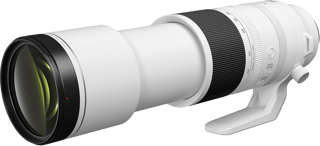
200–800 mm vs 600 mm · f/6.3 vs f/11 · 0.25× vs 0.14× close-up reach