
Zoom Flexibility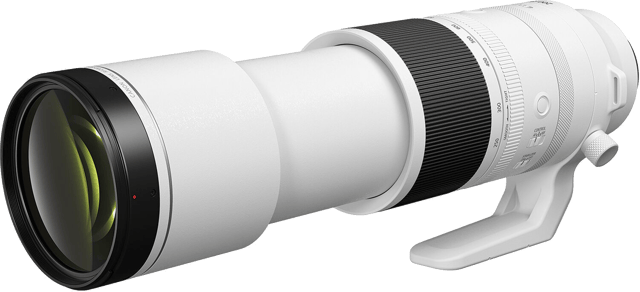
Canon RF 200-800mm F6.3-9 IS USM
200–800 mm zoom instead of 800 mm prime
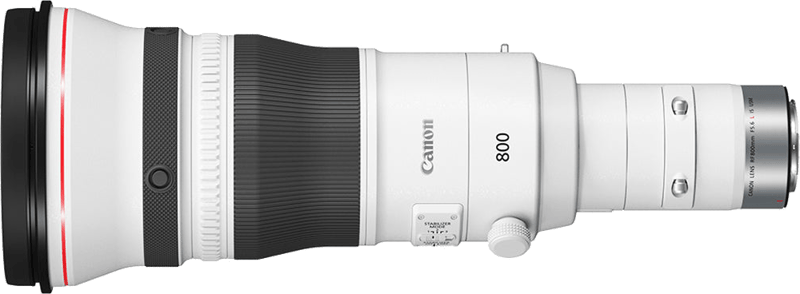
Canon · 800 mm · f/5.6 · L · Image Stabilization
This lens score is calculated from published specifications.
General | |
|---|---|
About This LensThis Canon prime is built for distant subjects that other lenses cannot reach. It mounts on Canon RF cameras and covers full frame. Its natural territory is shy birds, wild animals and outdoor sport played at distance. At 800mm, a small subject across a field fills the frame. The trade-off is speed and weight. A maximum aperture of f/5.6 narrows the hours for easy shooting, and the body weighs 6 lb 14.8 oz (3140 g). Canon introduced the lens in 2022 and still builds it, so this is a current design rather than an older model. Bird and outdoor-sport photographers who already work from a support are its natural owners. | |
| Brand | Canon |
| Release Year | 2022 |
Production Status ⓘCurrent status of lens manufacturing (e.g., in production, discontinued). |  In Production |
Pro Branding ⓘSpecific branding codes used for professional-tier lenses. | L |
Lens Mount ⓘThe lens mount will tell you what type of lens range you can fit onto the camera body. Often the same camera company will have different lens ranges for different cameras. | Canon RF |
System ⓘIndicates which camera system the lens is designed to attach to. | Canon EOS R |
Maximum Format ⓘLargest sensor size compatible with the lens. |  Full Frame |
Physical92/100 | |
About the BuildThe lens weighs 6 lb 14.8 oz (3140 g) and runs 17.01 in (432 mm) long, with a body 6.42 in (163 mm) wide. That is a tripod or monopod proposition for most days in the field. The front carries no filter thread, so a screw-in filter cannot attach there. | |
| Lens Weight | 3140 g |
Lens Diameter ⓘWidth of the lens at its widest point | 163 mm |
Lens Length ⓘHow long the lens is from front to back. | 432 mm |
Front Filter Compatible ⓘSome lenses are compatible with front filters, some are compatible with back filters and some are compatible with both. Front filters are usually more convenient to add and remove. | No |
Optics64/100 | |
About the OpticsFraming is what 800mm delivers. A bird on a far sandbar, a surfer beyond the break or a batsman at the boundary fills the frame from a safe distance. The photographer can stay back far enough to avoid disturbing a wild subject. Framing is fixed at 800mm, so composition happens through position and later cropping. The maximum aperture of f/5.6 asks for daylight. In dawn or dusk light, when many animals are active, ISO climbs or shutter speeds drop. Planning around bright hours, or accepting higher ISO, is part of owning this lens. Waiting for brighter light is often the simpler answer. Closest focusing works from 8.5 ft (260 cm), so a subject does not need to stand far away. Maximum magnification reaches 0.34x. A nearby deer or heron can occupy the whole frame, which is generous for a super-telephoto. Nine aperture blades help keep out-of-focus highlights round and even when the lens is stopped down. These optics specifications score 64/100 on our scale. | |
Focal Range ⓘShortest to longest focal length of the lens (zoom range start - end ) | 800 mm |
Aperture Range ⓘLargest aperture at the lens's shortest focal length to longest focal length (aperture range start - end) | 5.6 |
| Focal Length Angle of View | 3.1° |
Flange Focal Distance ⓘDistance from lens mount to sensor. | 20 mm |
Diaphragm Type ⓘStructure and design of the aperture |  Automatic |
Blades ⓘNumber of diaphragm blades in aperture | 9020 |
Zoom Lens ⓘZoom allows you to vary the focal length, change between long shots and close-ups | No |
Closest Focusing Distance ⓘMinimum distance for a subject to be in focus. | 260 cm01500 |
Maximum Magnification ⓘLargest size a subject can be reproduced | 0.34x |
| Autofocus Mode |  Yes |
| Manual Mode |  Yes |
| Manual Focusing Ring |  Yes |
Features96/100 | |
About the FeaturesImage stabilisation is built in. At 800mm, small hand movements blur a frame more easily than at short focal lengths, so steadying help matters here. The stabilised finder view also helps composition at extreme distance. That counts most when the camera leaves its support for a quick handheld frame. Weather sealing suits long days outside where dust and damp find every gap. A fluorine coating on the front element helps water and fingerprints wipe off the glass instead of smearing. Together they make field cleaning simpler. These features score 96/100 on our specification scale. | |
Weather Sealing ⓘWeather sealing capabilities will give you more confidence when shooting in unfavourable conditions. |  Yes |
Fluorine Coating ⓘCoating to repel water and oil from lens elements. |  Yes |
| Built In Lens Hood | No |
| Lens Hood Type |  Round |
Teleconverter ⓘA teleconverter (extender) is an extra piece of equipment that fits between the lens and the camera body to enhance magnification |  Yes |
| Image Stabilization | Yes |
IS Efficiency ⓘIS efficiency refers to the effectiveness of the image stabilization system in compensating for the blurring effects of camera shake, quantified by the number of stops of stabilization it provides. | 4.5 stops |
Construction32/100 | |
About the ConstructionCanon fits low-dispersion and super-low-dispersion glass in the optical path. Glass of these kinds helps reduce chromatic aberration, where different colours focus at different points and leave coloured fringes along high-contrast edges. With a bird lit against a bright sky, fringes can appear along feathers and branches, so that design aim suits this lens's subjects. | |
Elements ⓘLens elements refer to individual pieces of glass within the lens. | 26 |
| Groups | 18 |
Aspherical Elements ⓘThe number of aspherical lens elements which can help correct aberrations such as spherical aberration. | 0 |
Bi Aspherical Elements ⓘElements with two non-spherical surfaces | 0 |
Low Dispersion ⓘElements that reduce chromatic aberration | 1 |
Super Low Dispersion ⓘAdvanced elements further reducing chromatic aberration | 1 |
CA Reduction ⓘBuilt-in features to reduce chromatic aberration | 2 |
Internal Focusing ⓘInternal Focusing means that the lens does not change in size during focusing, and the front element does not rotate. | No |
200–800 mm zoom instead of 800 mm prime
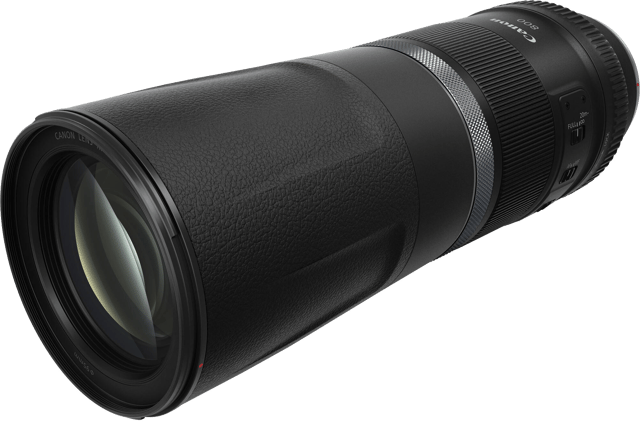
f/11 instead of f/5.6