
Other Brand
Canon · 85 mm · f/1.4 · L
Scores combine our editorial testing with published lab data.
General | |
|---|---|
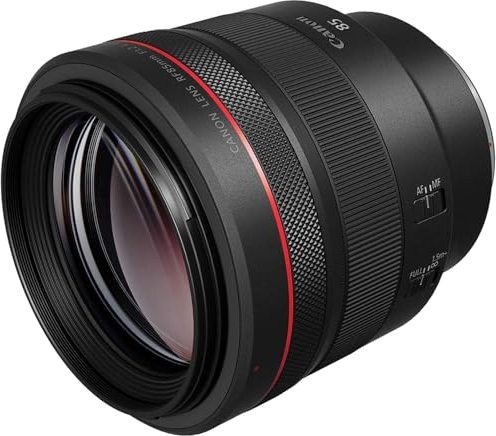
About This LensCanon introduced this prime in 2025 for its full-frame RF mount system. The 85mm focal length makes it a portrait lens first, and studio and wedding photographers are its natural audience. Away from formal portraits, it also suits candid event work and performers on stage. The bright aperture helps in dim indoor venues. Concert halls and evening receptions often give you exactly that kind of light. The fixed focal length means you change position to adjust framing. When movement is restricted, check the view before an event. There is no stabilisation in the lens, though a compatible body can provide it. | |
| Brand | Canon |
| Release Year | 2025 |
Production Status ⓘCurrent status of lens manufacturing (e.g., in production, discontinued). |  In Production In Production |
Pro Branding ⓘSpecific branding codes used for professional-tier lenses. | L |
Lens Mount ⓘThe lens mount will tell you what type of lens range you can fit onto the camera body. Often the same camera company will have different lens ranges for different cameras. | Canon RF |
System ⓘIndicates which camera system the lens is designed to attach to. | Canon EOS R |
Maximum Format ⓘLargest sensor size compatible with the lens. |  Full Frame Full Frame |
Physical100/100 | |
About the BuildThe lens weighs 1 lb 6.4 oz (636 g) and measures 3.91 in (99.3 mm) long. Account for that weight when choosing support or packing several lenses. A screw-in filter attaches directly to the 67mm front thread. That lets you use a protective or effect filter without an adapter, and other lenses that share the size can use the same filters. | |
| Lens Weight | 636 g |
Lens Diameter ⓘWidth of the lens at its widest point | 76.5 mm |
Lens Length ⓘHow long the lens is from front to back. | 99.3 mm |
Front Filter Compatible ⓘSome lenses are compatible with front filters, some are compatible with back filters and some are compatible with both. Front filters are usually more convenient to add and remove. |  Yes Yes |
Front Filter Size ⓘDiameter of attachable filters. | 67 mm |
Optics88/100 | |
About the OpticsOn a full-frame body, 85mm gives a short telephoto view. It suits portraits and selecting one person within an event. The framing depends on subject size and distance. Choose your position first, particularly in a venue where a seat, aisle or barrier limits movement. Camera position also determines perspective. The f/1.4 maximum aperture admits more light than a smaller opening. At the same shutter speed, that can allow a lower ISO. It is useful in dim reception halls and evening outdoor sessions, but the available light still determines which exposure settings are practical. Shooting wide open can leave depth of field very thin. A portrait's eyes can stay sharp while the ears soften, and a busy background falls away into blur. Focus placement has to be exact when the sharp zone is this shallow. Stopping down to a smaller opening brings more of the face into focus when you need it. Closest focus is 2.5 ft (75 cm), measured from the sensor. This is a focusing limit rather than a required portrait distance. Leave enough space for the framing, lighting and subject you have chosen. Check focus carefully when working near the limit. | |
Focal Range ⓘShortest to longest focal length of the lens (zoom range start - end ) | 85 mm |
Aperture Range ⓘLargest aperture at the lens's shortest focal length to longest focal length (aperture range start - end) | 1.4 |
| Focal Length Angle of View | 28.56°–28.5° |
Flange Focal Distance ⓘDistance from lens mount to sensor. | 20 mm |
Diaphragm Type ⓘStructure and design of the aperture |  Automatic Automatic |
Blades ⓘNumber of diaphragm blades in aperture | 11020 |
Zoom Lens ⓘZoom allows you to vary the focal length, change between long shots and close-ups | No |
Closest Focusing Distance ⓘMinimum distance for a subject to be in focus. | 75 cm01500 |
Maximum Magnification ⓘLargest size a subject can be reproduced | 0.12x |
| Autofocus Mode |  Yes Yes |
| Manual Mode |  Yes Yes |
| Manual Focusing Ring |  Yes Yes |
Features52/100 | |
About the FeaturesCanon seals this lens against dust and moisture. That suits outdoor portrait sessions and wedding days when weather turns damp. It resists the elements rather than inviting heavy rain. A fluorine coating on the front element helps it shed water, dust and fingerprints. Cleaning the front after a dusty outdoor session takes less effort as a result. There is no built-in image stabilisation. A camera with body stabilisation can help with shake. Use a tripod for fixed video compositions or slow exposures of still subjects. The wide aperture can help retain a faster shutter speed, but it does not steady the camera. | |
Weather Sealing ⓘWeather sealing capabilities will give you more confidence when shooting in unfavourable conditions. |  Yes Yes |
Fluorine Coating ⓘCoating to repel water and oil from lens elements. |  Yes Yes |
| Built In Lens Hood | No |
| Lens Hood Type |  Round Round |
Teleconverter ⓘA teleconverter (extender) is an extra piece of equipment that fits between the lens and the camera body to enhance magnification | No |
| Image Stabilization | No |
Construction54/100 | |
About the ConstructionThe optical path holds 14 elements in 10 groups. One aspherical element helps correct optical faults such as distortion and spherical aberration. One low-dispersion element helps reduce chromatic aberration, the coloured fringes that can appear along high-contrast edges like backlit hair. Focusing moves internal groups only, so the barrel length stays constant while you focus. | |
Elements ⓘLens elements refer to individual pieces of glass within the lens. | 14 |
| Groups | 10 |
Aspherical Elements ⓘThe number of aspherical lens elements which can help correct aberrations such as spherical aberration. | 1 |
Bi Aspherical Elements ⓘElements with two non-spherical surfaces | 0 |
Low Dispersion ⓘElements that reduce chromatic aberration | 1 |
Super Low Dispersion ⓘAdvanced elements further reducing chromatic aberration | 0 |
CA Reduction ⓘBuilt-in features to reduce chromatic aberration | 0 |
Internal Focusing ⓘInternal Focusing means that the lens does not change in size during focusing, and the front element does not rotate. |  Yes Yes |
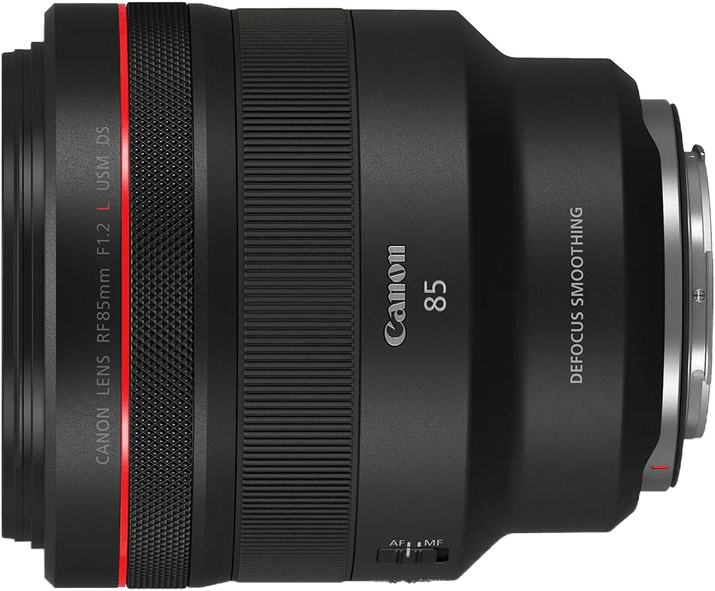
f/1.2 instead of f/1.4
f/1.2 instead of f/1.4