
Nearby Focal Range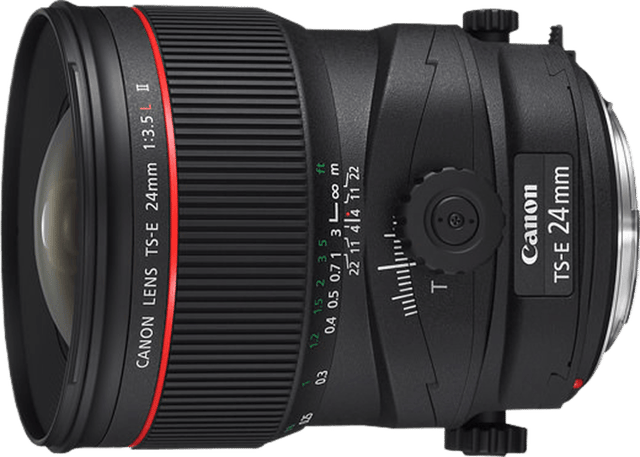
Canon TS-E 24mm F/3.5L II
24 mm instead of 17 mm · f/3.5 instead of f/4
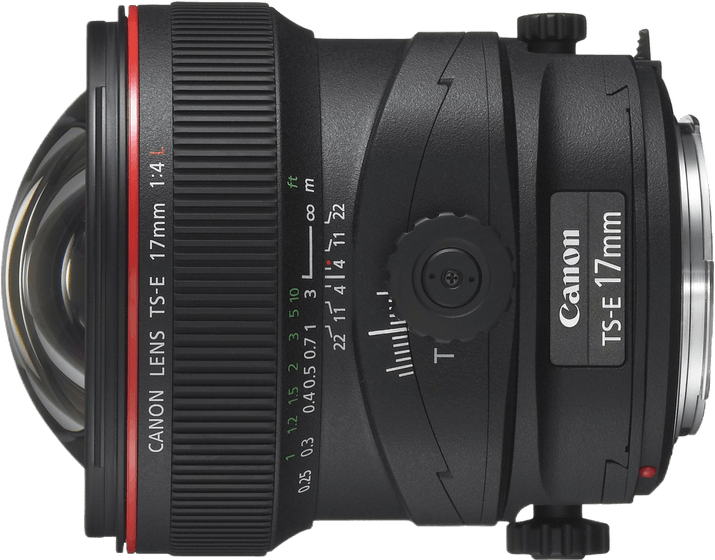
Canon · 17 mm · f/4 · L
This lens score is calculated from published specifications.
General | |
|---|---|
About This LensThe TS-E 17mm F/4L is a manual tilt-shift prime for Canon EF full-frame cameras. It suits architectural and interior photographers who frame buildings, rooms and city streets. The tilt and shift movements set it apart, giving direct control over perspective and the plane of focus. Canon introduced this lens in 2009, and it remains in production. The trade-off is simplicity. It offers one 17mm focal length, a fixed F/4 aperture and manual focusing only. That suits deliberate tripod work rather than fast, casual shooting. | |
| Brand | Canon |
| Release Year | 2009 |
Production Status ⓘCurrent status of lens manufacturing (e.g., in production, discontinued). |  In Production |
Pro Branding ⓘSpecific branding codes used for professional-tier lenses. | L |
Lens Mount ⓘThe lens mount will tell you what type of lens range you can fit onto the camera body. Often the same camera company will have different lens ranges for different cameras. | Canon EF |
System ⓘIndicates which camera system the lens is designed to attach to. | Canon EOS |
Maximum Format ⓘLargest sensor size compatible with the lens. |  Full Frame |
Physical93/100 | |
About the BuildThis lens weighs 1 lb 12.9 oz (820 g), with a 3.5 in (88.9 mm) wide body and 4.2 in (106.7 mm) length. It feels substantial on the front of a full-frame body. The front takes no screw-in filters, so plan filter use around that limit. The physical specification scores 93 of 100. | |
| Lens Weight | 820 g |
Lens Diameter ⓘWidth of the lens at its widest point | 88.9 mm |
Lens Length ⓘHow long the lens is from front to back. | 106.7 mm |
Front Filter Compatible ⓘSome lenses are compatible with front filters, some are compatible with back filters and some are compatible with both. Front filters are usually more convenient to add and remove. | No |
Optics59/100 | |
About the OpticsThe 17mm focal length frames whole buildings from close range and holds small rooms in one view. Exteriors, interiors and tight urban spaces all sit within its reach. The fixed focal length keeps framing predictable as you move around a subject. The F/4 maximum aperture is modest for a prime. Inside dim churches or at dusk, expect to raise ISO or work from a tripod. Most tilt-shift work stops down anyway, so the ceiling rarely blocks the intended use. The tilt and shift movements are the real optical tools here. Shift upward or sideways to keep facades upright while the camera stays level. Tilt the focus plane to run sharpness along a long wall, a tiled floor or a row of columns. Both adjustments happen in camera rather than in editing software afterwards. Close focusing reaches 0.8 ft (25 cm), which suits foreground textures in floors and stonework. Getting that close with a wide view exaggerates the foreground against the room behind. Depth of field at 17mm runs deep, helping interior shots stay sharp at F/4. Maximum magnification is 0.14x. Eight aperture blades keep stopped-down highlights evenly shaped. On specification alone, the optics score 59 of 100. | |
Focal Range ⓘShortest to longest focal length of the lens (zoom range start - end ) | 17 mm |
Aperture Range ⓘLargest aperture at the lens's shortest focal length to longest focal length (aperture range start - end) | 4 |
| Focal Length Angle of View | 103.68° |
Flange Focal Distance ⓘDistance from lens mount to sensor. | 44 mm |
Diaphragm Type ⓘStructure and design of the aperture |  Automatic |
Blades ⓘNumber of diaphragm blades in aperture | 8020 |
Zoom Lens ⓘZoom allows you to vary the focal length, change between long shots and close-ups | No |
Closest Focusing Distance ⓘMinimum distance for a subject to be in focus. | 25 cm01500 |
Maximum Magnification ⓘLargest size a subject can be reproduced | 0.14x |
| Autofocus Mode | No |
| Manual Mode |  Yes |
| Manual Focusing Ring |  Yes |
Features0/100 | |
About the FeaturesNo image stabilization is built in. The wide 17mm view makes handheld frames more manageable than a long lens would, but low light still rewards steady technique. Architecture work usually runs on a tripod anyway, so the omission costs little for the intended subjects. There is no weather sealing, so keep the lens dry through rain, spray or dust. No fluorine coating is fitted either, meaning the large front element benefits from gentle, deliberate cleaning. Both are handling considerations rather than faults that reach the final image. Carry a soft cloth on outdoor shoots. | |
Weather Sealing ⓘWeather sealing capabilities will give you more confidence when shooting in unfavourable conditions. | No |
Fluorine Coating ⓘCoating to repel water and oil from lens elements. | No |
| Built In Lens Hood | No |
Teleconverter ⓘA teleconverter (extender) is an extra piece of equipment that fits between the lens and the camera body to enhance magnification | No |
| Image Stabilization | No |
Tilt Shift | |
| Tilt Range | 6.5° |
| Shift Range | 12 mm |
| Tiltshift Rotation |  Yes |
| Lens Rotation |  Yes |
Construction31/100 | |
About the ConstructionThe optical path holds 18 elements in 12 groups. Aspherical elements help correct distortion, which matters when straight walls and door frames fill the frame. Low-dispersion glass helps reduce chromatic aberration, easing coloured fringes along high-contrast edges such as skies against dark rooftops. No super low-dispersion glass is listed. The construction score is 31 of 100. | |
Elements ⓘLens elements refer to individual pieces of glass within the lens. | 18 |
| Groups | 12 |
Aspherical Elements ⓘThe number of aspherical lens elements which can help correct aberrations such as spherical aberration. | 1 |
Bi Aspherical Elements ⓘElements with two non-spherical surfaces | 0 |
Low Dispersion ⓘElements that reduce chromatic aberration | 1 |
Super Low Dispersion ⓘAdvanced elements further reducing chromatic aberration | 0 |
CA Reduction ⓘBuilt-in features to reduce chromatic aberration | 0 |
Internal Focusing ⓘInternal Focusing means that the lens does not change in size during focusing, and the front element does not rotate. | No |
24 mm instead of 17 mm · f/3.5 instead of f/4