
Other Brand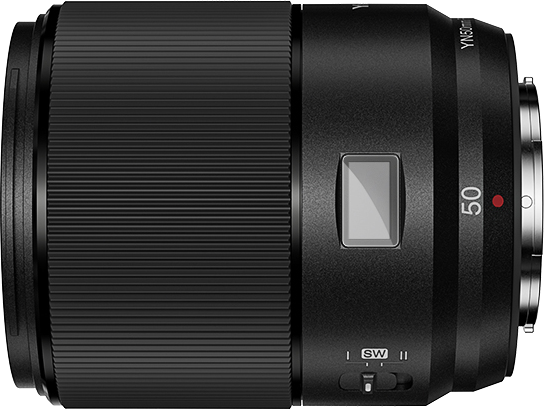
Yongnuo XF 50mm f/1.8 Pro
f/1.8 instead of f/2
Fujifilm · 50 mm · f/2 · XF
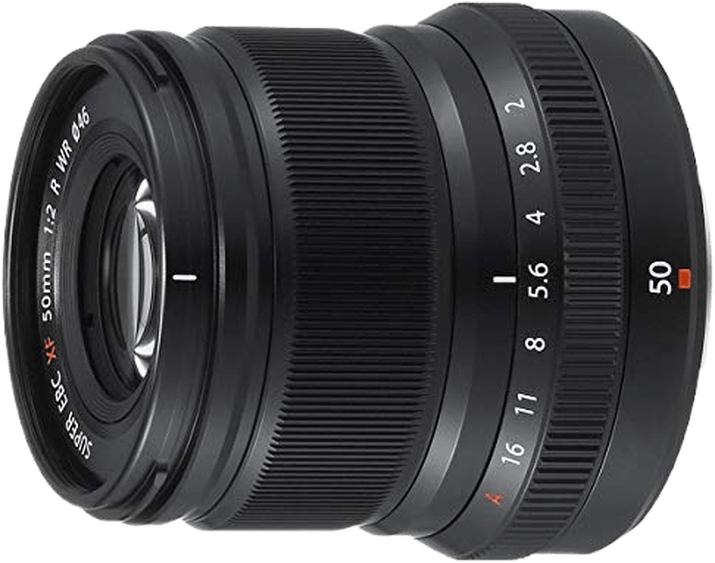
This lens score is calculated from published specifications.
General | |
|---|---|
About This LensThis Fujifilm X-mount prime gives APS-C bodies a 50mm short telephoto view. That framing flatters portraits and picks out details from a wider scene. Fujifilm introduced it in 2017 and still builds it today. It suits anyone who wants one small, sealed lens for pictures of people. The trade-off is a single focal length and no built-in stabilisation, and you zoom with your feet. Anyone shooting portraits, street scenes, or travel details will find the framing natural. Event photographers who must swing between wide and tight views may want a zoom alongside it. Its small size also draws little attention for candid work. | |
| Brand | Fujifilm |
| Release Year | 2017 |
Production Status ⓘCurrent status of lens manufacturing (e.g., in production, discontinued). |  In Production |
Pro Branding ⓘSpecific branding codes used for professional-tier lenses. | XF |
Lens Mount ⓘThe lens mount will tell you what type of lens range you can fit onto the camera body. Often the same camera company will have different lens ranges for different cameras. | Fujifilm X |
System ⓘIndicates which camera system the lens is designed to attach to. | Fujifilm X |
Maximum Format ⓘLargest sensor size compatible with the lens. |  APS-C |
Physical93/100 | |
About the BuildAt 7.1 oz (200 g), this prime is light enough to carry all day without noticing it. The barrel is only 2.34 in (59.4 mm) long, so it stays short and unobtrusive on the camera. Screw-in filters mount directly and must match the 46mm thread. The Physical score is 93. | |
| Lens Weight | 200 g |
Lens Diameter ⓘWidth of the lens at its widest point | 60 mm |
Lens Length ⓘHow long the lens is from front to back. | 59.4 mm |
Front Filter Compatible ⓘSome lenses are compatible with front filters, some are compatible with back filters and some are compatible with both. Front filters are usually more convenient to add and remove. |  Yes |
Front Filter Size ⓘDiameter of attachable filters. | 46 mm |
Optics82/100 | |
About the OpticsOn Fujifilm's APS-C sensor, 50mm behaves as a short telephoto. You can frame a head-and-shoulders portrait from a conversational distance, and a subject stays relaxed rather than backing away. The same view isolates one person in a street scene or pulls a single detail forward from its surroundings. The Optics score is 82. The f/2 maximum aperture gathers light for interiors and evening streets without flash. Wide open, it also throws a busy background out of focus, which suits portraits against cluttered rooms or crowds. Stopped down, the nine-blade aperture keeps close to round, so out-of-focus highlights render smoothly. Rounded highlights matter at portrait distances, where backgrounds often include lamps and windows. Closest focus sits at 1.3 ft (39 cm), close enough for a plate on a table or a flower by a path. Maximum magnification is 0.15x. Depth of field at f/2 is thin, so place focus with care on a portrait's eyes. For detail work at a wedding, that distance keeps hands and flowers in play without crowding. | |
Focal Range ⓘShortest to longest focal length of the lens (zoom range start - end ) | 50 mm |
Aperture Range ⓘLargest aperture at the lens's shortest focal length to longest focal length (aperture range start - end) | 2 |
| Focal Length Angle of View | 31.59° |
Flange Focal Distance ⓘDistance from lens mount to sensor. | 17.7 mm |
Diaphragm Type ⓘStructure and design of the aperture |  Automatic |
Blades ⓘNumber of diaphragm blades in aperture | 9020 |
Zoom Lens ⓘZoom allows you to vary the focal length, change between long shots and close-ups | No |
Closest Focusing Distance ⓘMinimum distance for a subject to be in focus. | 39 cm01500 |
Maximum Magnification ⓘLargest size a subject can be reproduced | 0.15x |
| Autofocus Mode |  Yes |
| Manual Mode |  Yes |
| Manual Focusing Ring |  Yes |
Features32/100 | |
About the FeaturesWeather sealing helps keep dust and moisture out of the lens body. You can keep shooting through light rain or on a dusty trail with less worry about the glass inside. That matters for outdoor portraits and street work in changeable weather. There is no built-in image stabilisation. In dim interiors you will need a faster shutter speed or a higher ISO setting. A monopod or a doorway can steady the camera when light falls away. The front element does without a fluorine coating, the water- and oil-repelling treatment some lenses carry. The Features score is 32. | |
Weather Sealing ⓘWeather sealing capabilities will give you more confidence when shooting in unfavourable conditions. |  Yes |
Fluorine Coating ⓘCoating to repel water and oil from lens elements. | No |
| Built In Lens Hood | No |
| Lens Hood Type |  Round |
Teleconverter ⓘA teleconverter (extender) is an extra piece of equipment that fits between the lens and the camera body to enhance magnification | No |
| Image Stabilization | No |
Construction31/100 | |
About the ConstructionThe nine elements in seven groups include aspherical surfaces and low-dispersion glass. Aspherical elements help correct distortion, which bends straight edges in a scene. Low-dispersion glass helps reduce chromatic aberration, the coloured fringes that show along high-contrast edges like backlit hair. Backlit portraits, with bright sky behind a subject, are where that fringing matters most. The Construction score is 31. | |
Elements ⓘLens elements refer to individual pieces of glass within the lens. | 9 |
| Groups | 7 |
Aspherical Elements ⓘThe number of aspherical lens elements which can help correct aberrations such as spherical aberration. | 1 |
Bi Aspherical Elements ⓘElements with two non-spherical surfaces | 0 |
Low Dispersion ⓘElements that reduce chromatic aberration | 1 |
Super Low Dispersion ⓘAdvanced elements further reducing chromatic aberration | 0 |
CA Reduction ⓘBuilt-in features to reduce chromatic aberration | 0 |
Internal Focusing ⓘInternal Focusing means that the lens does not change in size during focusing, and the front element does not rotate. | No |
f/1.8 instead of f/2
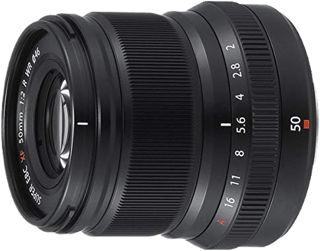
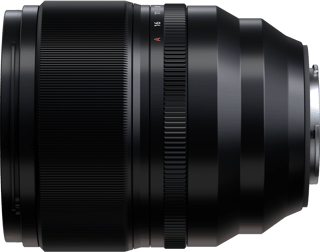
f/1 vs f/2 · 0.08× vs 0.15× close-up reach · 845 g vs 200 g
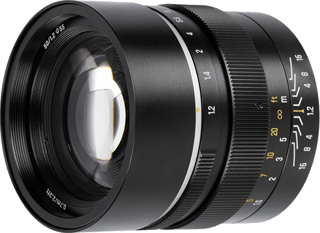
f/1.2 vs f/2 · 0.1× vs 0.15× close-up reach · Manual focus instead of autofocus
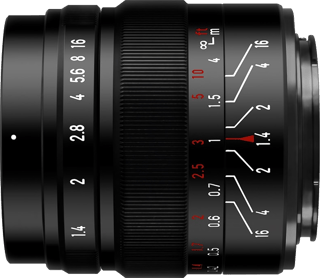
f/1.4 vs f/2 · Manual focus instead of autofocus · 400 g vs 200 g