
Laowa 15mm f/4 1:1 Shift
Laowa · 15 mm · f/4
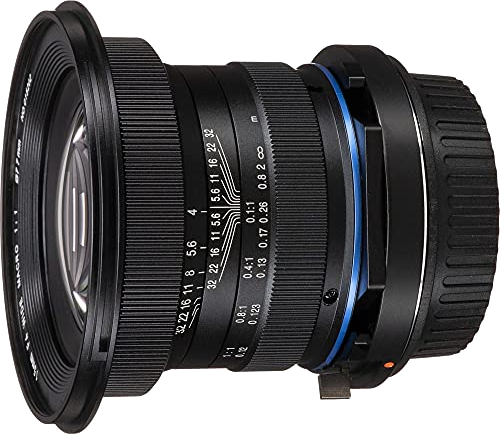
Score Breakdown
This lens score is calculated from published specifications.
General | |
|---|---|
About This LensThe Laowa 15mm f/4 1:1 Shift is a wide-angle prime built around a shift control for perspective. It comes in Canon EF, Nikon F, Sony E and Pentax K versions, and the Canon EF version covers full frame. A 15mm view plus that shifting movement makes it a natural fit for architecture and interiors. This is a manual-focus design from 2015. You focus by hand, and the widest setting is f/4. The fixed 15mm focal length means you frame by moving yourself, not by turning a zoom ring. It suits deliberate, tripod-paced shooting, and it rewards photographers who plan each frame. For anyone who values straight verticals over speed, that trade-off makes sense. | |
| Brand | Laowa |
| Release Year | 2015 |
Lens Mount ⓘThe lens mount will tell you what type of lens range you can fit onto the camera body. Often the same camera company will have different lens ranges for different cameras. | Sony E |
System ⓘIndicates which camera system the lens is designed to attach to. | Sony E |
Physical64/100 | |
About the BuildThe lens weighs 14.5 oz (410 g), so it stays comfortable across a long day of walking city streets. The Canon EF version measures 3.3 in (83.8 mm) across and 2.55 in (64.7 mm) long. A screw-in filter must match the 77mm thread at the front. For cutting glare on glass, a polariser of the same size screws straight on. | |
| Lens Weight | 410 g |
Front Filter Compatible ⓘSome lenses are compatible with front filters, some are compatible with back filters and some are compatible with both. Front filters are usually more convenient to add and remove. |  Yes |
Front Filter Size ⓘDiameter of attachable filters. | 77 mm |
Optics61/100 | |
About the OpticsAt 15mm, this prime fits whole buildings, full rooms and tight street corners into one frame. You can stand close to a structure and still include all of it. Rooms give the same advantage, since walls rarely leave room to step back. The shift control raises or slides the view without tilting the camera. Keep the camera level, shift upward to reach a roofline, and the vertical edges of a facade stay parallel instead of leaning inward. You can also shift sideways to keep your own reflection out of a shop window. The Canon EF version focuses as close as 0.4 ft (12.2 cm). That lets you move in on a doorway detail or a tile pattern while the wide view still holds the surrounding room. Fourteen aperture blades keep the opening round when you stop down. The f/4 maximum aperture is modest for a wide prime. Inside a dim lobby or church, expect to raise ISO or set the camera on a tripod. Focusing is manual only, through a ring on the barrel, so each shot takes a little longer. | |
Focal Range ⓘShortest to longest focal length of the lens (zoom range start - end ) | 15 mm |
Aperture Range ⓘLargest aperture at the lens's shortest focal length to longest focal length (aperture range start - end) | 4 |
| Focal Length Angle of View | 110° |
Flange Focal Distance ⓘDistance from lens mount to sensor. | 18 mm |
Diaphragm Type ⓘStructure and design of the aperture |  Manual |
Blades ⓘNumber of diaphragm blades in aperture | 14020 |
Zoom Lens ⓘZoom allows you to vary the focal length, change between long shots and close-ups | No |
Closest Focusing Distance ⓘMinimum distance for a subject to be in focus. | 12 cm01500 |
Maximum Magnification ⓘLargest size a subject can be reproduced | 1x |
| Autofocus Mode | No |
| Manual Mode |  Yes |
| Manual Focusing Ring |  Yes |
Features0/100 | |
About the FeaturesNothing in this lens stabilizes the image. Any steadiness has to come from your camera body or a tripod. For tripod-based architecture work, the gap will barely show. Handheld interior shooting will notice it most, especially in dim rooms where shutter speeds drop. Bracing against a wall or a doorway helps there. The body also has no weather sealing. In rain, spray or blowing dust at a building site, you would need to shield it yourself. And no fluorine coating protects the front glass, so cleaning smudges takes ordinary care. | |
Weather Sealing ⓘWeather sealing capabilities will give you more confidence when shooting in unfavourable conditions. | No |
Fluorine Coating ⓘCoating to repel water and oil from lens elements. | No |
| Built In Lens Hood | No |
| Lens Hood Type |  Petal |
Teleconverter ⓘA teleconverter (extender) is an extra piece of equipment that fits between the lens and the camera body to enhance magnification | No |
| Image Stabilization | No |
Tilt Shift | |
| Tilt Range | N/A |
| Shift Range | 6 mm |
| Tiltshift Rotation | N/A |
| Lens Rotation | No |
Construction38/100 | |
About the ConstructionInside are 12 elements in 9 groups. One element is low-dispersion glass, which helps reduce chromatic aberration, the colored fringes that can appear where a bright sky meets a roofline. The Canon EF version focuses internally, so the lens does not grow longer as you focus. | |
Elements ⓘLens elements refer to individual pieces of glass within the lens. | 12 |
| Groups | 9 |
Aspherical Elements ⓘThe number of aspherical lens elements which can help correct aberrations such as spherical aberration. | 0 |
Bi Aspherical Elements ⓘElements with two non-spherical surfaces | 0 |
Low Dispersion ⓘElements that reduce chromatic aberration | 1 |
Super Low Dispersion ⓘAdvanced elements further reducing chromatic aberration | 0 |
CA Reduction ⓘBuilt-in features to reduce chromatic aberration | 0 |
Internal Focusing ⓘInternal Focusing means that the lens does not change in size during focusing, and the front element does not rotate. |  Yes |