
Wider Aperture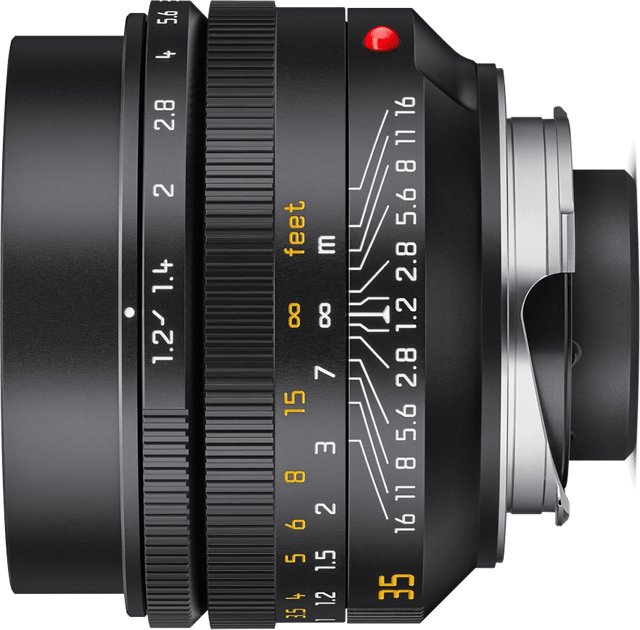
Leica Noctilux-M 35mm f/1.2 ASPH
f/1.2 instead of f/2
Leica · 35 mm · f/2 · APO
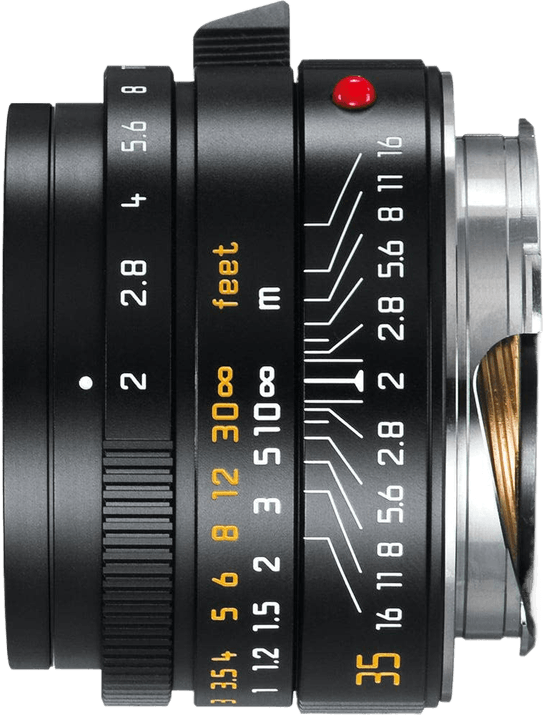
This lens score is calculated from published specifications.
General | |
|---|---|
About This LensThis Leica prime covers the full frame format on the Leica M mount. It offers a single 35mm focal length at f/2, a pairing made for street, travel and documentary photography. Released in 2021, it remains in production, so it is a current design rather than an older model. A 35mm view keeps room around a subject, so the setting stays in the frame. Focusing is manual, with no autofocus motor, and there is no built-in stabilisation. Those two omissions set the working style. You trade the speed of autofocus and stabilisation for a small, simple body and direct control. | |
| Brand | Leica |
| Release Year | 2021 |
Production Status ⓘCurrent status of lens manufacturing (e.g., in production, discontinued). |  In Production |
Version ⓘThe iteration or release number of a particular lens model. | I |
Pro Branding ⓘSpecific branding codes used for professional-tier lenses. | APO |
Lens Mount ⓘThe lens mount will tell you what type of lens range you can fit onto the camera body. Often the same camera company will have different lens ranges for different cameras. | Leica M |
System ⓘIndicates which camera system the lens is designed to attach to. | Leica M |
Maximum Format ⓘLargest sensor size compatible with the lens. |  Full Frame |
Physical100/100 | |
About the BuildThe lens weighs 11.3 oz (320 g) and measures about 2.09 in (53 mm) across and 1.61 in (40.9 mm) long. Those measurements make it small and light for a full-frame 35mm prime. Screw-in filters fit directly and must match the 39mm thread. | |
| Lens Weight | 320 g |
Lens Diameter ⓘWidth of the lens at its widest point | 53 mm |
Lens Length ⓘHow long the lens is from front to back. | 40.9 mm |
Front Filter Compatible ⓘSome lenses are compatible with front filters, some are compatible with back filters and some are compatible with both. Front filters are usually more convenient to add and remove. |  Yes |
Front Filter Size ⓘDiameter of attachable filters. | 39 mm |
Optics71/100 | |
About the OpticsA 35mm focal length frames a street corner, a café table or a small group without stepping far back. It also suits environmental portraits, because the subject shares the frame with the surrounding scene. For tighter framing you move closer, and the lens focuses as near as 1 ft (30 cm). The f/2 maximum aperture admits more light, which helps indoors, at dusk or under street lighting. That extra light matters for evening street scenes, where flash would change the mood. Opened wide, it also separates a subject from a busy background. A 35mm view still keeps more context in the frame than a longer focal length would. Eleven aperture blades help the opening stay close to round as you stop down. Rounder openings render out-of-focus areas more smoothly, which can show in backgrounds at wider settings. Maximum magnification is 0.18x. Stopped down, depth of field grows, which supports presetting focus for quick candid shots. Our optics rating for this lens is 71 out of 100. | |
Focal Range ⓘShortest to longest focal length of the lens (zoom range start - end ) | 35 mm |
Aperture Range ⓘLargest aperture at the lens's shortest focal length to longest focal length (aperture range start - end) | 2 |
| Focal Length Angle of View | 63.443975666842476° |
Flange Focal Distance ⓘDistance from lens mount to sensor. | 27.8 mm |
Diaphragm Type ⓘStructure and design of the aperture |  Manual |
Blades ⓘNumber of diaphragm blades in aperture | 11020 |
Zoom Lens ⓘZoom allows you to vary the focal length, change between long shots and close-ups | No |
Closest Focusing Distance ⓘMinimum distance for a subject to be in focus. | 30 cm01500 |
Maximum Magnification ⓘLargest size a subject can be reproduced | 0.18x |
| Autofocus Mode | No |
| Manual Mode |  Yes |
| Manual Focusing Ring |  Yes |
Features52/100 | |
About the FeaturesThe body is sealed against dust and moisture. Sealed gaps limit where particles and moisture can enter, so the design reduces ingress risk. A fluorine coating is part of the listed feature set. Fluorine coatings generally repel water and oil, so droplets and fingerprints may adhere less strongly and be easier to wipe away when they do. This is a general property of the coating type; results can vary with conditions. There is no image stabilisation. In dim light you rely on shutter speed, ISO and a steady hold, since nothing inside the lens corrects camera shake. | |
Weather Sealing ⓘWeather sealing capabilities will give you more confidence when shooting in unfavourable conditions. |  Yes |
Fluorine Coating ⓘCoating to repel water and oil from lens elements. |  Yes |
| Built In Lens Hood | No |
| Lens Hood Type |  Rectangular |
Teleconverter ⓘA teleconverter (extender) is an extra piece of equipment that fits between the lens and the camera body to enhance magnification | No |
| Image Stabilization | No |
Construction46/100 | |
About the ConstructionThe design includes aspherical and bi-aspherical elements. Their specially shaped surfaces help correct optical faults, including distortion and spherical aberration, which can curve straight edges in pictures of buildings. The name carries APO, and its specification lists a chromatic aberration reduction value of 6. Colour fringing tends to appear on high-contrast edges such as branches against bright sky, so the correction aims to keep those edges clean. | |
Elements ⓘLens elements refer to individual pieces of glass within the lens. | 10 |
| Groups | 5 |
Aspherical Elements ⓘThe number of aspherical lens elements which can help correct aberrations such as spherical aberration. | 1 |
Bi Aspherical Elements ⓘElements with two non-spherical surfaces | 1 |
Low Dispersion ⓘElements that reduce chromatic aberration | 0 |
Super Low Dispersion ⓘAdvanced elements further reducing chromatic aberration | 0 |
CA Reduction ⓘBuilt-in features to reduce chromatic aberration | 6 |
Internal Focusing ⓘInternal Focusing means that the lens does not change in size during focusing, and the front element does not rotate. | No |
f/1.2 instead of f/2
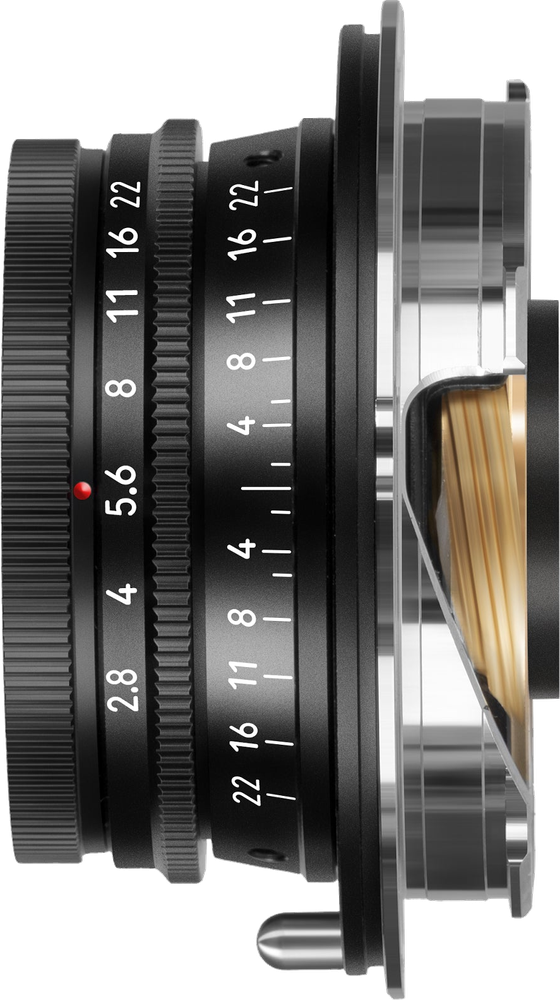
f/2.8 instead of f/2
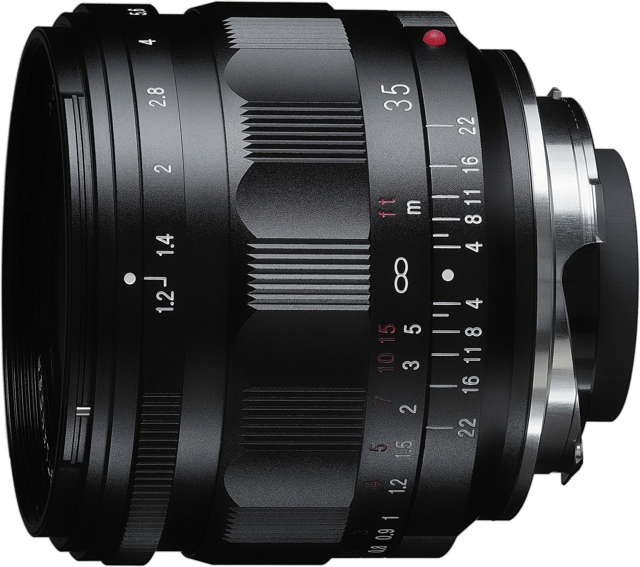
f/1.2 instead of f/2
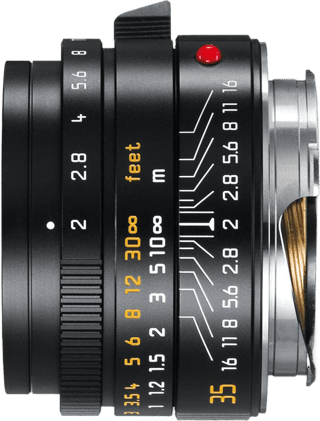
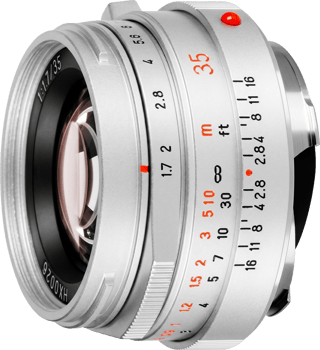
f/1.7 vs f/2 · 0.06× vs 0.18× close-up reach · 145 g vs 320 g
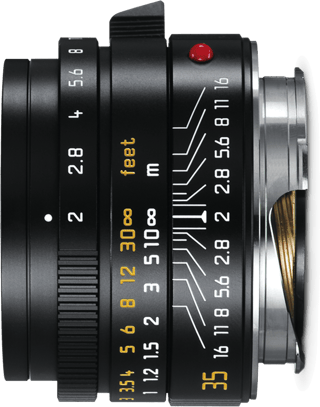
0.057× vs 0.18× close-up reach · 252 g vs 320 g · Closest focus 70 cm vs 30 cm
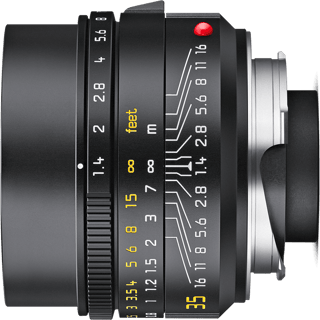
f/1.4 vs f/2 · 0.11× vs 0.18× close-up reach · Closest focus 40 cm vs 30 cm