
Sigma Contemporary Line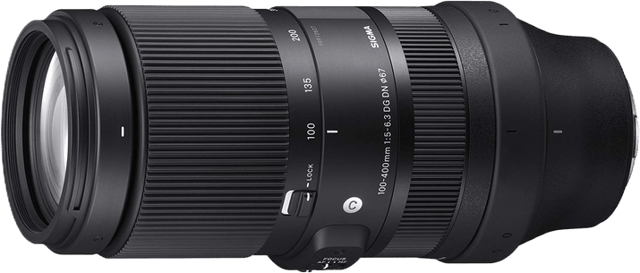
Leica · 100–400 mm · f/5–6.3 · Image Stabilization
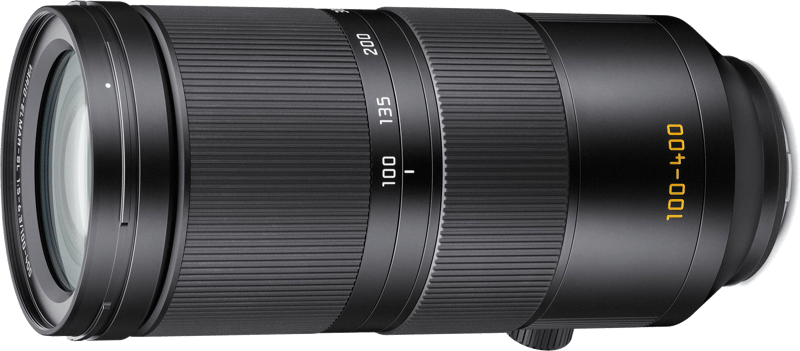
This lens score is calculated from published specifications.
General | |
|---|---|
About This LensThis Leica telephoto zoom, introduced in 2023 and still in production, covers 100–400mm for full-frame Leica L-mount cameras. That reach suits wildlife, outdoor sport and airshows, where you cannot easily close the distance yourself. As a subject moves, you reframe with the zoom ring rather than by changing position. The main trade-off is light gathering. The maximum aperture falls from f/5 at 100mm to f/6.3 at 400mm, so the long end works best in daylight. A single zoom also covers the framing range that would otherwise need several primes, which matters when you carry gear to a hide or touchline. | |
| Brand | Leica |
| Release Year | 2023 |
Production Status ⓘCurrent status of lens manufacturing (e.g., in production, discontinued). |  In Production |
Lens Mount ⓘThe lens mount will tell you what type of lens range you can fit onto the camera body. Often the same camera company will have different lens ranges for different cameras. | Leica L |
System ⓘIndicates which camera system the lens is designed to attach to. | Leica L |
Maximum Format ⓘLargest sensor size compatible with the lens. |  Full Frame |
Physical64/100 | |
About the BuildAt 3 lb 6 oz (1530 g), you will notice this lens over a long handheld session, so plan rests or support for longer waits. It measures 7.8 in (198 mm) long, and a screw-in filter must match its 82mm thread. | |
| Lens Weight | 1530 g |
Lens Diameter ⓘWidth of the lens at its widest point | 88 mm |
Lens Length ⓘHow long the lens is from front to back. | 198 mm |
Front Filter Compatible ⓘSome lenses are compatible with front filters, some are compatible with back filters and some are compatible with both. Front filters are usually more convenient to add and remove. |  Yes |
Front Filter Size ⓘDiameter of attachable filters. | 82 mm |
Optics53/100 | |
About the OpticsThe 100–400mm range gives two working distances in one lens. At 100mm you can frame larger or tamer animals, or a wider slice of a sports field. At 400mm you make the subject larger for small, wary or distant targets, from perched birds to far-side action. The short end gives room to spare when an animal walks toward you. At 400mm the widest available opening is f/6.3. That limits shutter speeds for moving subjects, so you rely on bright daylight or a higher ISO. Fast field sport on an overcast afternoon is where you feel it most. For static targets in fair light the constraint eases. Closest focus is 3.6 ft (110 cm). Maximum magnification reaches 0.24x, enough for tight studies of perched birds and similar still subjects. Zooming is by a manual rotary ring, so the pace of reframing stays in your hands. Nine aperture blades influence how out-of-focus backgrounds render at smaller settings. | |
Focal Range ⓘShortest to longest focal length of the lens (zoom range start - end ) | 100–400 mm |
Aperture Range ⓘLargest aperture at the lens's shortest focal length to longest focal length (aperture range start - end) | 5–6.3 |
| Focal Length Angle of View | 24.415582858783463°–6.191937568343236° |
Flange Focal Distance ⓘDistance from lens mount to sensor. | 20 mm |
Diaphragm Type ⓘStructure and design of the aperture |  Automatic |
Blades ⓘNumber of diaphragm blades in aperture | 9020 |
Zoom Lens ⓘZoom allows you to vary the focal length, change between long shots and close-ups |  Yes |
Zoom Mechanism ⓘSystem enabling zoom function |  Manual |
Zoom Ring ⓘIf zooming is adjusted using a zoom ring |  Yes |
Zoom Type ⓘThe design or approach to zooming |  Rotary |
Closest Focusing Distance ⓘMinimum distance for a subject to be in focus. | 110.00000000000001 cm01500 |
Maximum Magnification ⓘLargest size a subject can be reproduced | 0.24x |
| Autofocus Mode |  Yes |
| Manual Mode |  Yes |
| Manual Focusing Ring |  Yes |
Features93/100 | |
About the FeaturesWeather sealing and a fluorine coating suit the kind of days this lens is built for. The sealing guards against dust and moisture in open country. The fluorine coating helps water and grease shed from the front glass, which makes field cleaning quicker. Built-in image stabilisation helps hold the framing steady when you shoot handheld at long focal lengths. It counters shake from your hands, which is the main challenge at 400mm. It does not freeze a moving subject; the steadying applies to your hands, not a running animal. There is no zoom lock to hold the zoom setting in place. After carrying the lens at your side, it pays to glance at the zoom ring before you shoot. Our features specification score for this lens is 93/100. | |
Weather Sealing ⓘWeather sealing capabilities will give you more confidence when shooting in unfavourable conditions. |  Yes |
Fluorine Coating ⓘCoating to repel water and oil from lens elements. |  Yes |
| Built In Lens Hood | No |
| Lens Hood Type |  Round |
Zoom Lock ⓘZoom lock allows the zoom ring to be locked at the desired focal length | No |
Teleconverter ⓘA teleconverter (extender) is an extra piece of equipment that fits between the lens and the camera body to enhance magnification |  Yes |
| Image Stabilization | Yes |
IS Efficiency ⓘIS efficiency refers to the effectiveness of the image stabilization system in compensating for the blurring effects of camera shake, quantified by the number of stops of stabilization it provides. | 4 stops |
Construction23/100 | |
About the ConstructionFocusing is internal, so the barrel does not change length as you focus. That helps when you are working near foliage or from a vehicle window, where an extending barrel could brush leaves or spook a subject. No aspherical or special-dispersion elements are listed for this design. Our construction specification score is 23/100. | |
Elements ⓘLens elements refer to individual pieces of glass within the lens. | 22 |
| Groups | 16 |
Aspherical Elements ⓘThe number of aspherical lens elements which can help correct aberrations such as spherical aberration. | 0 |
Bi Aspherical Elements ⓘElements with two non-spherical surfaces | 0 |
Low Dispersion ⓘElements that reduce chromatic aberration | 0 |
Super Low Dispersion ⓘAdvanced elements further reducing chromatic aberration | 0 |
CA Reduction ⓘBuilt-in features to reduce chromatic aberration | 0 |
Internal Focusing ⓘInternal Focusing means that the lens does not change in size during focusing, and the front element does not rotate. |  Yes |
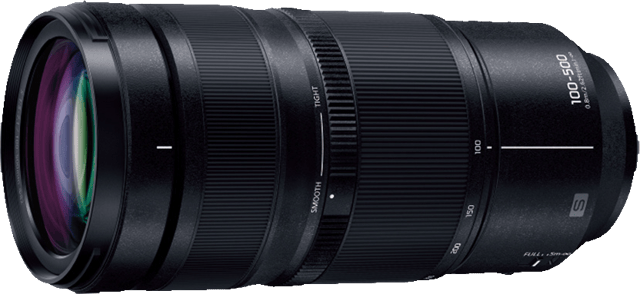
100–500 mm instead of 100–400 mm
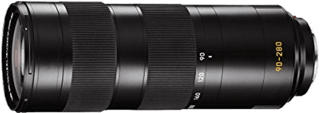
90–280 mm vs 100–400 mm · f/2.8 vs f/5 · 0.2× vs 0.24× close-up reach