
Sigma Contemporary Line
Leica · 28–70 mm · f/2.8
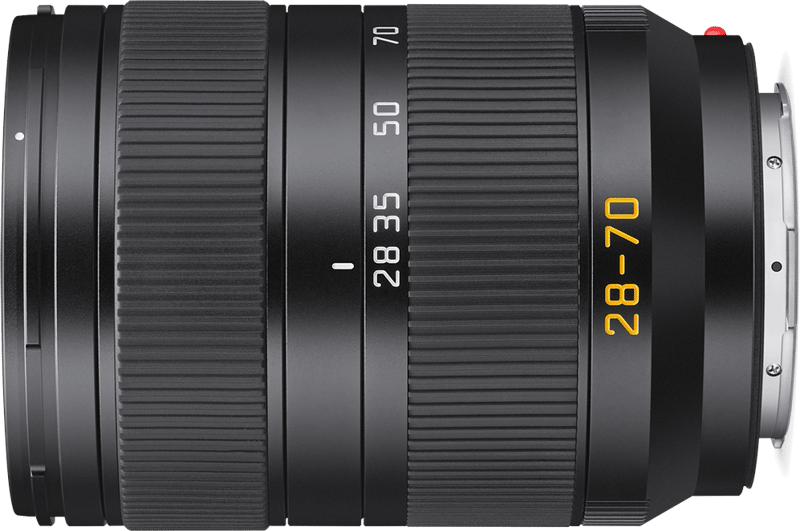
This lens score is calculated from published specifications.
General | |
|---|---|
About This LensThis Leica zoom covers 28–70mm on full-frame Leica L-mount cameras. It suits people, travel and everyday photography, moving from wide scenes to tighter framing without lens changes. A constant f/2.8 maximum aperture stays available at every focal length, which suits indoor and evening work. Released in 2025, it remains in production. The main trade-off is features, chiefly the absence of built-in stabilization. The wide end also stops at 28mm, so very tight interiors may call for stepping back. Photographers who work in good light, or who steady the camera themselves, lose little. Handheld shooters in dim conditions should factor that in. | |
| Brand | Leica |
| Release Year | 2025 |
Production Status ⓘCurrent status of lens manufacturing (e.g., in production, discontinued). |  In Production |
Lens Mount ⓘThe lens mount will tell you what type of lens range you can fit onto the camera body. Often the same camera company will have different lens ranges for different cameras. | Leica L |
System ⓘIndicates which camera system the lens is designed to attach to. | Leica L |
Maximum Format ⓘLargest sensor size compatible with the lens. |  Full Frame |
Physical64/100 | |
About the BuildAt 1 lb 4.2 oz (572 g) and 4.02 in (102 mm) long, this zoom is comfortable to carry through a long handheld day. The 67mm front thread accepts screw-in filters, so any filter attached directly must match that size. | |
| Lens Weight | 572 g |
Lens Diameter ⓘWidth of the lens at its widest point | 72 mm |
Lens Length ⓘHow long the lens is from front to back. | 102 mm |
Front Filter Compatible ⓘSome lenses are compatible with front filters, some are compatible with back filters and some are compatible with both. Front filters are usually more convenient to add and remove. |  Yes |
Front Filter Size ⓘDiameter of attachable filters. | 67 mm |
Optics81/100 | |
About the OpticsThe 28–70mm range handles most everyday framing. At 28mm it takes in street scenes, interiors and groups; at 70mm it tightens portraits and picks out detail. A wedding ceremony, a market street or a family lunch all fit within it, and one lens can follow the moment without swaps. The optical specification scores 81. The f/2.8 maximum aperture is constant, so the full opening stays available at 28mm and 70mm alike. That brightness keeps shutter speeds usable indoors and at dusk, where a dimmer zoom would call for higher ISO. It also softens backgrounds at 70mm, separating portrait subjects from busy settings behind them. Closest focusing reaches 0.6 ft (19 cm) from the subject. That suits table settings and small objects found on a walk, since stepping back is unnecessary. Maximum magnification is 0.3x, enough for small still-life subjects such as flowers. Nine aperture blades help the opening stay round, which tends to keep out-of-focus highlights smooth. | |
Focal Range ⓘShortest to longest focal length of the lens (zoom range start - end ) | 28–70 mm |
Aperture Range ⓘLargest aperture at the lens's shortest focal length to longest focal length (aperture range start - end) | 2.8 |
| Focal Length Angle of View | 73.8°–35.4° |
Flange Focal Distance ⓘDistance from lens mount to sensor. | 20 mm |
Diaphragm Type ⓘStructure and design of the aperture |  Automatic |
Blades ⓘNumber of diaphragm blades in aperture | 9020 |
Zoom Lens ⓘZoom allows you to vary the focal length, change between long shots and close-ups |  Yes |
Zoom Mechanism ⓘSystem enabling zoom function |  Manual |
Zoom Ring ⓘIf zooming is adjusted using a zoom ring |  Yes |
Zoom Type ⓘThe design or approach to zooming |  Rotary |
Closest Focusing Distance ⓘMinimum distance for a subject to be in focus. | 19 cm01500 |
Maximum Magnification ⓘLargest size a subject can be reproduced | 0.3x |
| Autofocus Mode |  Yes |
| Manual Mode |  Yes |
| Manual Focusing Ring |  Yes |
Features32/100 | |
About the FeaturesSealing protects the lens against dust and moisture in the field. It can stay mounted through drizzle or a dusty walk, which suits travel and outdoor work where the weather shifts. There is no built-in image stabilization. Steadiness must come from shutter speed, a firm hold or a support such as a tripod. A support steadies the camera for static scenes, but it cannot freeze a moving subject. At 70mm in fading light, that can mean raising ISO or bracing against something solid. The features specification scores 32. No zoom lock is fitted, so there is no switch to hold the barrel at a chosen focal length during carrying. Fluorine coating is absent from the front element. | |
Weather Sealing ⓘWeather sealing capabilities will give you more confidence when shooting in unfavourable conditions. |  Yes |
Fluorine Coating ⓘCoating to repel water and oil from lens elements. | No |
| Built In Lens Hood | No |
| Lens Hood Type |  Petal |
Zoom Lock ⓘZoom lock allows the zoom ring to be locked at the desired focal length | No |
Teleconverter ⓘA teleconverter (extender) is an extra piece of equipment that fits between the lens and the camera body to enhance magnification | No |
| Image Stabilization | No |
Construction69/100 | |
About the ConstructionSixteen elements in twelve groups include three aspherical elements, all bi-aspherical. Their specially shaped surfaces help correct optical faults such as distortion and spherical aberration. Distortion can curve straight edges, so architecture and interior frames benefit when it is kept low. Four low-dispersion elements help reduce chromatic aberration, the coloured fringes that can appear along high-contrast subject edges. The lens also focuses internally, so its length stays fixed as focus changes. | |
Elements ⓘLens elements refer to individual pieces of glass within the lens. | 16 |
| Groups | 12 |
Aspherical Elements ⓘThe number of aspherical lens elements which can help correct aberrations such as spherical aberration. | 3 |
Bi Aspherical Elements ⓘElements with two non-spherical surfaces | 3 |
Low Dispersion ⓘElements that reduce chromatic aberration | 4 |
Super Low Dispersion ⓘAdvanced elements further reducing chromatic aberration | 0 |
CA Reduction ⓘBuilt-in features to reduce chromatic aberration | 0 |
Internal Focusing ⓘInternal Focusing means that the lens does not change in size during focusing, and the front element does not rotate. |  Yes |
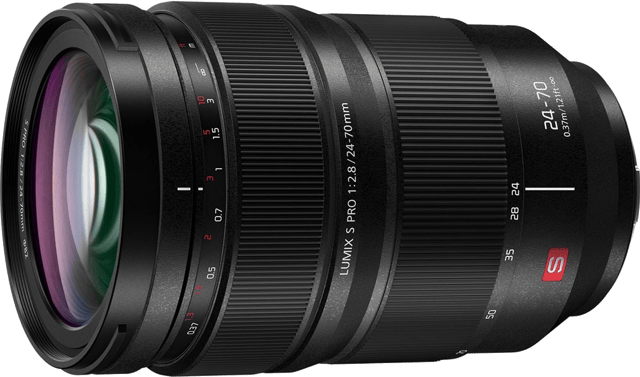
24–70 mm instead of 28–70 mm
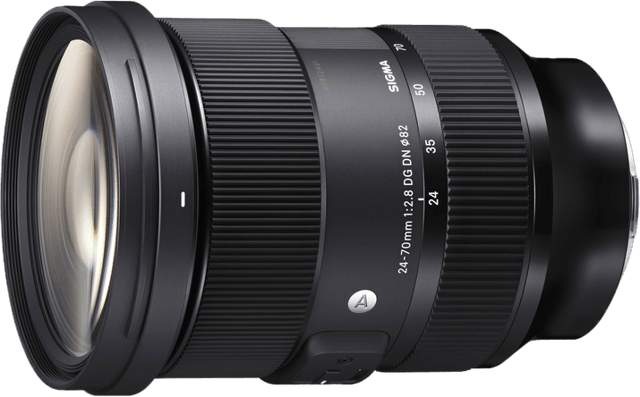
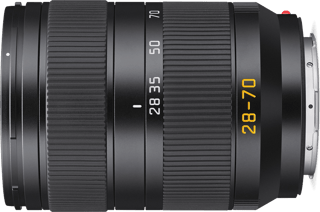
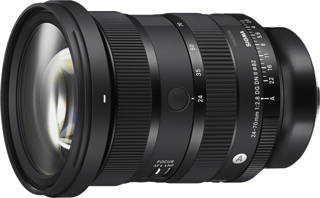
24–70 mm vs 28–70 mm · 0.37× vs 0.3× close-up reach · 745 g vs 572 g
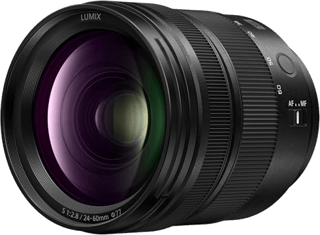
24–60 mm vs 28–70 mm