Sigma Art Line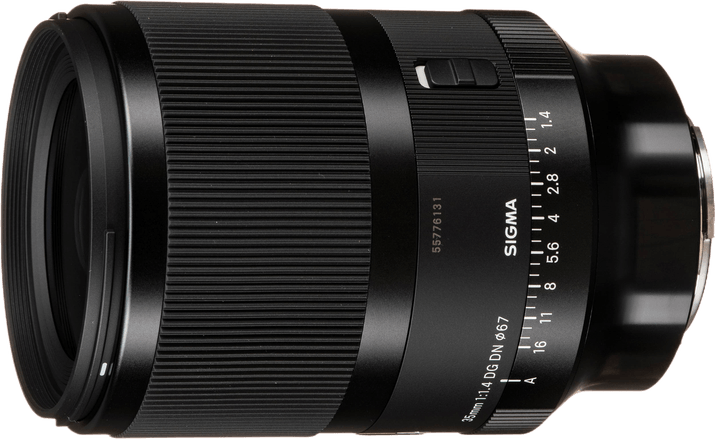
Sigma 35mm F/1.4 DG DN | A
f/1.4 instead of f/2
Meike · 35 mm · f/2
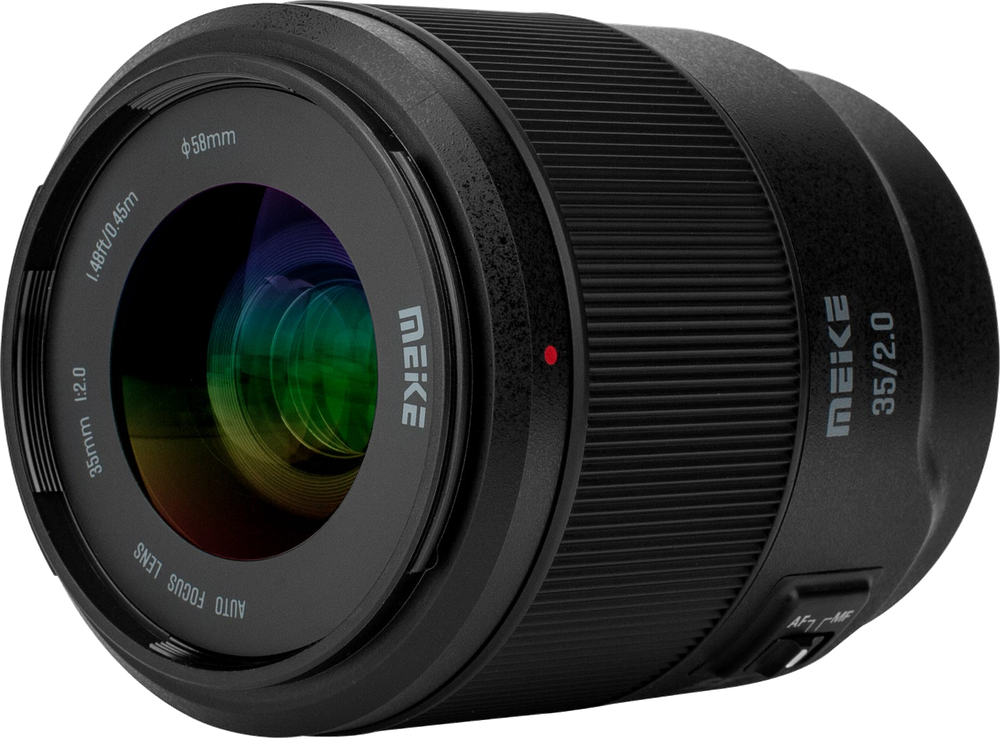
Scores combine our editorial testing with published lab data.
General | |
|---|---|
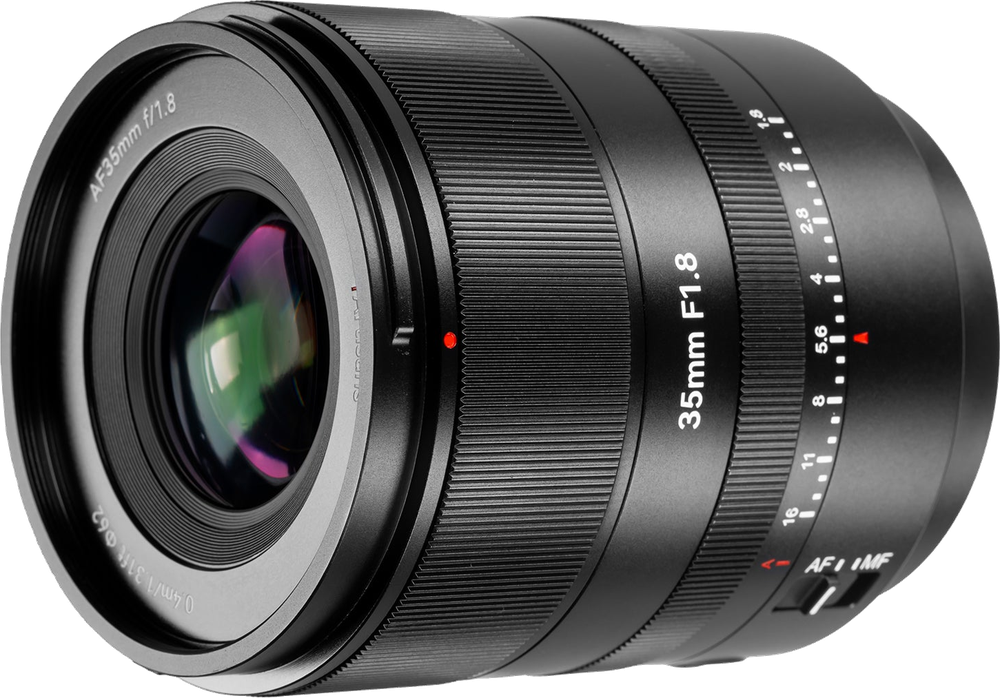
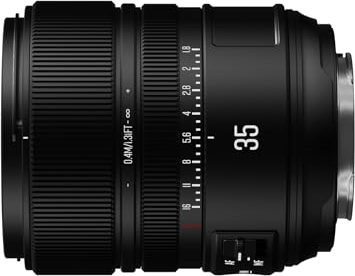
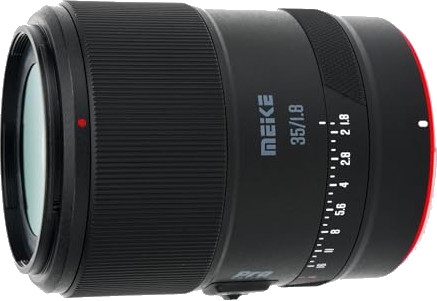
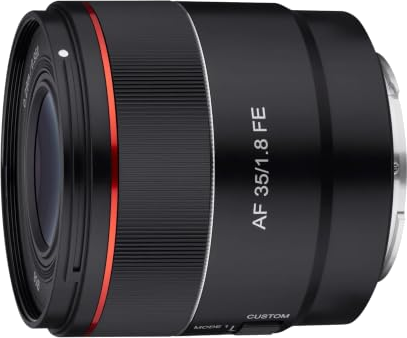
About This LensMeike launched this full-frame prime in 2024. It comes in Leica L, Nikon Z and Sony E versions, and all three share one 35mm optical family. Pick the version made for your camera; the optics described here apply to each. A 35mm prime suits street, travel and everyday photography. The moderate wide view takes in a person plus their surroundings, from market stalls to café tables. Many photographers carry a lens like this all day. The trade-off is the fixed view. You frame by stepping closer or farther back, not by turning a zoom ring. That keeps the design simple and rewards working a scene on foot. | |
| Brand | Meike |
| Release Year | 2024 |
Lens Mount ⓘThe lens mount will tell you what type of lens range you can fit onto the camera body. Often the same camera company will have different lens ranges for different cameras. | Sony E |
System ⓘIndicates which camera system the lens is designed to attach to. | Sony E |
Maximum Format ⓘLargest sensor size compatible with the lens. |  Full Frame |
Physical64/100 | |
About the BuildThe Leica L version weighs 10.5 oz (297 g) and runs 3.54 in (90 mm) long. Its 2.87 in (73 mm) body is easy to carry on a mirrorless camera all day. Other mount versions differ, so check the weight for yours. It earns a physical score of 64 out of 100. A 58mm screw-in filter fits the front thread. | |
| Lens Weight | 298 g |
Lens Diameter ⓘWidth of the lens at its widest point | 73 mm |
Lens Length ⓘHow long the lens is from front to back. | 91 mm |
Front Filter Compatible ⓘSome lenses are compatible with front filters, some are compatible with back filters and some are compatible with both. Front filters are usually more convenient to add and remove. |  Yes |
Front Filter Size ⓘDiameter of attachable filters. | 58 mm |
Optics81/100 | |
About the OpticsThe f/2 maximum aperture is the main optical draw. It passes more light than slower glass, so you can hold usable shutter speeds in dim restaurants, at dusk or under streetlights. Evening street work and indoor reportage stay hand-held rather than tripod-bound. Wide open, f/2 also separates a subject from the background. A 35mm view keeps a person in context, while the aperture softens distracting detail behind them. Stopped down, depth of field grows enough for layered street scenes where faces and signage both need to read clearly. Because the focal length never changes, framing stays predictable from shot to shot. You learn where to stand for a given composition, which helps when a scene unfolds fast. Close focus is 1.5 ft (45 cm), close enough for meals, souvenirs and details on a table while travelling. The nine-blade aperture helps keep out-of-focus areas smooth when you stop down. Our optics score for this lens is 81 out of 100. | |
Focal Range ⓘShortest to longest focal length of the lens (zoom range start - end ) | 35 mm |
Aperture Range ⓘLargest aperture at the lens's shortest focal length to longest focal length (aperture range start - end) | 2 |
| Focal Length Angle of View | 64° |
Flange Focal Distance ⓘDistance from lens mount to sensor. | 18 mm |
Diaphragm Type ⓘStructure and design of the aperture |  Automatic |
Blades ⓘNumber of diaphragm blades in aperture | 9020 |
Zoom Lens ⓘZoom allows you to vary the focal length, change between long shots and close-ups | No |
Closest Focusing Distance ⓘMinimum distance for a subject to be in focus. | 45 cm01500 |
Maximum Magnification ⓘLargest size a subject can be reproduced | 0.09x |
| Autofocus Mode |  Yes |
| Manual Mode |  Yes |
| Manual Focusing Ring |  Yes |
Features | |
About the FeaturesMeike omits image stabilization here. The lens provides no shake correction of its own, so low-light work rests on your technique or on whatever stabilization your camera body offers. At 35mm the loss hurts less than it would on a telephoto, because camera shake shows up more strongly at long focal lengths. There is no weather sealing either. Rain, sea spray and blowing dust sit outside its design, so keep it covered on rough days. For street and travel use, that usually means checking the forecast or packing a rain sleeve. The front element also goes without a fluorine coating, so a lens cloth stays useful for dust and fingerprints. | |
Weather Sealing ⓘWeather sealing capabilities will give you more confidence when shooting in unfavourable conditions. | No |
Fluorine Coating ⓘCoating to repel water and oil from lens elements. | No |
| Built In Lens Hood | No |
| Lens Hood Type |  Petal |
Teleconverter ⓘA teleconverter (extender) is an extra piece of equipment that fits between the lens and the camera body to enhance magnification | No |
| Image Stabilization | No |
Construction15/100 | |
About the ConstructionThe optical path holds 11 elements in 9 groups. Two of those use low-dispersion glass, which helps reduce chromatic aberration. That is the coloured fringing that can appear along high-contrast edges, such as bare branches against a bright sky. The Leica L version uses no aspherical elements; other mounts differ. Its construction specification scores 15 out of 100 on our scale. | |
Elements ⓘLens elements refer to individual pieces of glass within the lens. | 11 |
| Groups | 9 |
Aspherical Elements ⓘThe number of aspherical lens elements which can help correct aberrations such as spherical aberration. | 0 |
Bi Aspherical Elements ⓘElements with two non-spherical surfaces | 0 |
Low Dispersion ⓘElements that reduce chromatic aberration | 2 |
Super Low Dispersion ⓘAdvanced elements further reducing chromatic aberration | 0 |
CA Reduction ⓘBuilt-in features to reduce chromatic aberration | 0 |
Internal Focusing ⓘInternal Focusing means that the lens does not change in size during focusing, and the front element does not rotate. |  Yes |
f/1.4 instead of f/2
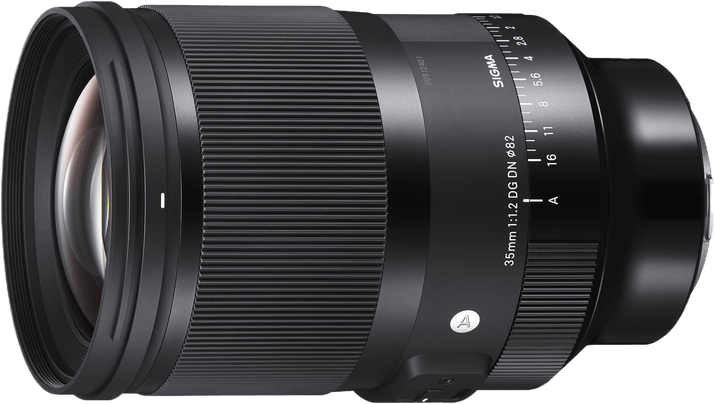
f/1.2 instead of f/2