
Sigma Contemporary Line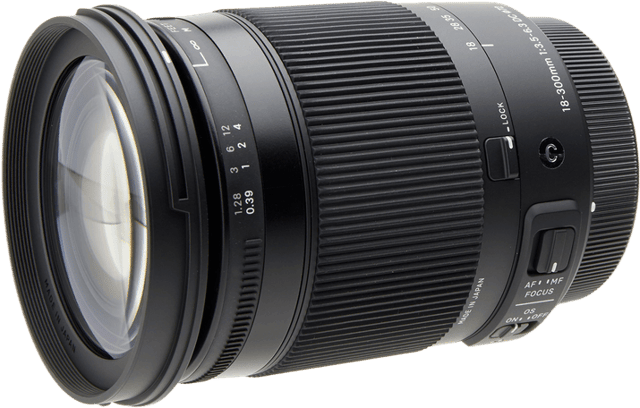
Nikon · 18–300 mm · f/3.5–6.3 · Image Stabilization
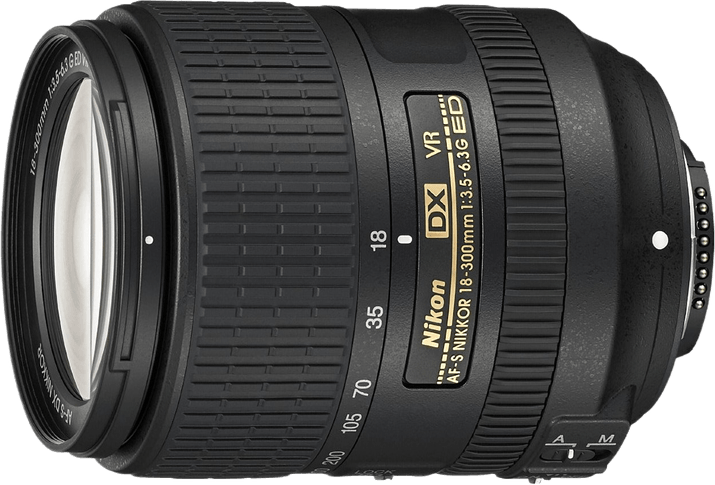
This lens score is calculated from published specifications.
General | |
|---|---|
About This LensThis Nikon superzoom is an all-in-one lens for APS-C Nikon F cameras. Its 18–300mm range takes you from wide street scenes to distant wildlife without changing lenses. That suits travel, family days out and everyday shooting where carrying several lenses is impractical. One lens also means less to pack and fewer changes on the move. The trade-off is speed rather than reach. The maximum aperture narrows as you zoom, so dim interiors and evening streets are not where it works best. In good light, though, the reach is generous for a single lens. Nikon launched this lens in 2014 and it is still in production, so it is an older design that remains current. | |
| Brand | Nikon |
| Release Year | 2014 |
Production Status ⓘCurrent status of lens manufacturing (e.g., in production, discontinued). |  In Production |
Lens Mount ⓘThe lens mount will tell you what type of lens range you can fit onto the camera body. Often the same camera company will have different lens ranges for different cameras. | Nikon F |
System ⓘIndicates which camera system the lens is designed to attach to. | Nikon F APS-C |
Maximum Format ⓘLargest sensor size compatible with the lens. |  APS-C |
Physical57/100 | |
About the BuildIt weighs 1 lb 3.4 oz (550 g) and measures 3.09 in (78.5 mm) across and 3.9 in (99 mm) long. A screw-in filter must match the 67mm front thread. | |
| Lens Weight | 550 g |
Lens Diameter ⓘWidth of the lens at its widest point | 78.5 mm |
Lens Length ⓘHow long the lens is from front to back. | 99 mm |
Front Filter Compatible ⓘSome lenses are compatible with front filters, some are compatible with back filters and some are compatible with both. Front filters are usually more convenient to add and remove. |  Yes |
Front Filter Size ⓘDiameter of attachable filters. | 67 mm |
Optics54/100 | |
About the OpticsThe 18–300mm span covers nearly every framing choice on APS-C. At 18mm you can take in streets, interiors and group pictures. In the middle of the range it suits portraits and everyday subjects. At 300mm, distant subjects such as birds, boats or players on a far pitch become large enough to fill the frame. The maximum aperture is variable. You start at f/3.5 at 18mm and end at f/6.3 at 300mm. In bright daylight that matters little. In overcast or evening light at the long end, you will need a higher ISO or a slower shutter speed. Depth of field runs fairly deep at these apertures. Isolating a subject from a busy background is hardest at the short end. At 300mm the longer focal length blurs what lies behind your subject, so separation comes more easily. The lens focuses as close as 1.6 ft (48 cm), so shop windows, food and market displays are all in range. Maximum magnification is 0.29x, so a small subject such as a flower fills a modest part of the frame. | |
Focal Range ⓘShortest to longest focal length of the lens (zoom range start - end ) | 18–300 mm |
Aperture Range ⓘLargest aperture at the lens's shortest focal length to longest focal length (aperture range start - end) | 3.5–6.3 |
| Focal Length Angle of View | 76.44°–5.41° |
Flange Focal Distance ⓘDistance from lens mount to sensor. | 46.5 mm |
Diaphragm Type ⓘStructure and design of the aperture |  Automatic |
Blades ⓘNumber of diaphragm blades in aperture | 7020 |
Zoom Lens ⓘZoom allows you to vary the focal length, change between long shots and close-ups |  Yes |
Zoom Mechanism ⓘSystem enabling zoom function |  Manual |
Zoom Ring ⓘIf zooming is adjusted using a zoom ring |  Yes |
Zoom Type ⓘThe design or approach to zooming |  Rotary |
Closest Focusing Distance ⓘMinimum distance for a subject to be in focus. | 48 cm01500 |
Maximum Magnification ⓘLargest size a subject can be reproduced | 0.29x |
| Autofocus Mode |  Yes |
| Manual Mode |  Yes |
| Manual Focusing Ring |  Yes |
Features41/100 | |
About the FeaturesVibration Reduction is built in. It moves optical elements to counter hand shake, so you can use slower shutter speeds than hand-holding alone would allow. It helps most at 300mm, where any movement of your hands shows in the frame. On a travel day it lets you keep shooting inside churches or markets where tripods are impractical. A zoom lock stops the barrel creeping out under its own weight when the camera hangs from a strap. There is no weather sealing, so shield the camera in rain or dust and carry a cover if your plans include wet destinations. Nikon also omits a fluorine coating, so the front element needs more careful cleaning. | |
Weather Sealing ⓘWeather sealing capabilities will give you more confidence when shooting in unfavourable conditions. | No |
Fluorine Coating ⓘCoating to repel water and oil from lens elements. | No |
| Built In Lens Hood | No |
| Lens Hood Type |  Petal |
Zoom Lock ⓘZoom lock allows the zoom ring to be locked at the desired focal length |  Yes |
Teleconverter ⓘA teleconverter (extender) is an extra piece of equipment that fits between the lens and the camera body to enhance magnification |  Yes |
| Image Stabilization | Yes |
IS Efficiency ⓘIS efficiency refers to the effectiveness of the image stabilization system in compensating for the blurring effects of camera shake, quantified by the number of stops of stabilization it provides. | 4 stops |
Construction31/100 | |
About the ConstructionThe optical unit uses 16 elements in 12 groups, including aspherical elements and low-dispersion (ED) glass. The aspherical surfaces help correct distortion, which straight-edged subjects such as buildings can show. The ED glass helps reduce chromatic aberration, the coloured fringing that can appear along high-contrast edges such as a bird against a bright sky. | |
Elements ⓘLens elements refer to individual pieces of glass within the lens. | 16 |
| Groups | 12 |
Aspherical Elements ⓘThe number of aspherical lens elements which can help correct aberrations such as spherical aberration. | 1 |
Bi Aspherical Elements ⓘElements with two non-spherical surfaces | 0 |
Low Dispersion ⓘElements that reduce chromatic aberration | 1 |
Super Low Dispersion ⓘAdvanced elements further reducing chromatic aberration | 0 |
CA Reduction ⓘBuilt-in features to reduce chromatic aberration | 0 |
Internal Focusing ⓘInternal Focusing means that the lens does not change in size during focusing, and the front element does not rotate. | No |
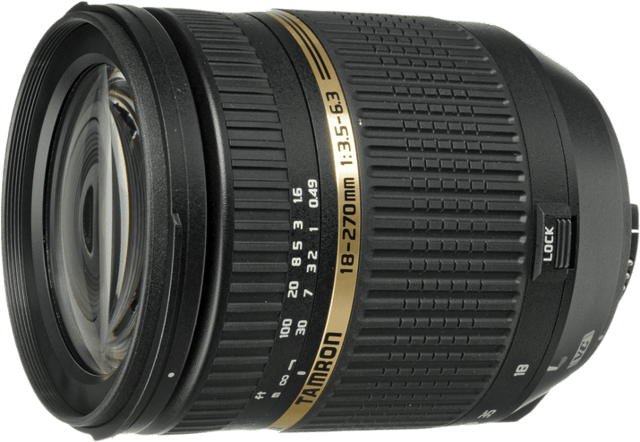
18–270 mm instead of 18–300 mm
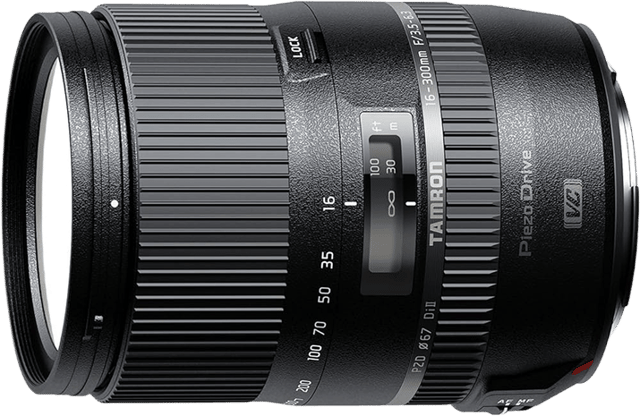
16–300 mm instead of 18–300 mm
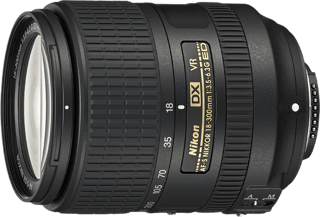
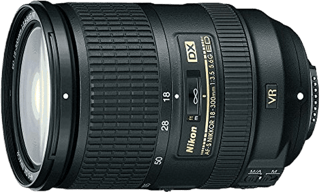
Telephoto f/5.6 vs f/6.3 · 830 g vs 550 g
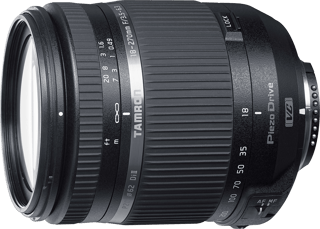
18–270 mm vs 18–300 mm · 450 g vs 550 g
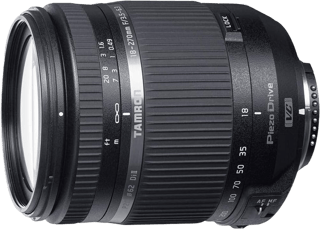
18–270 mm vs 18–300 mm · 450 g vs 550 g