
Sigma Art Line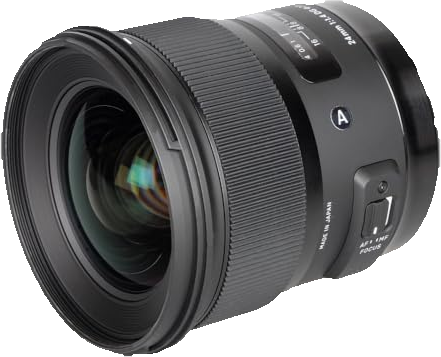
Nikon · 24 mm · f/1.4
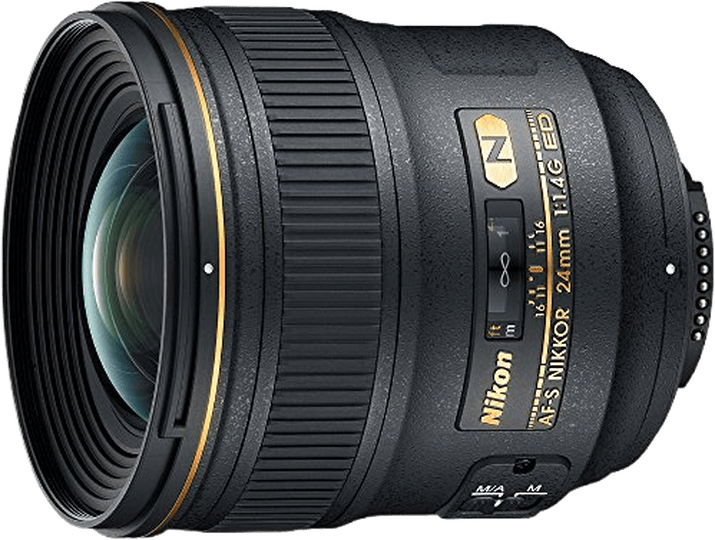
This lens score is calculated from published specifications.
General | |
|---|---|
About This LensThis Nikon wide-angle prime is built for full-frame F-mount bodies. The 24mm focal length suits reportage, cramped interiors and environmental portraits. Events, travel and street photography all fall inside that span. The f/1.4 aperture extends that reach into dim venues and night streets. It is the reason to choose this lens over a slower wide-angle option. Nikon introduced the lens in 2010, and it remains in production today. It is an older design, so weigh that age against its fast aperture when buying. | |
| Brand | Nikon |
| Release Year | 2010 |
Production Status ⓘCurrent status of lens manufacturing (e.g., in production, discontinued). |  In Production |
Lens Mount ⓘThe lens mount will tell you what type of lens range you can fit onto the camera body. Often the same camera company will have different lens ranges for different cameras. | Nikon F |
System ⓘIndicates which camera system the lens is designed to attach to. | Nikon F |
Maximum Format ⓘLargest sensor size compatible with the lens. |  Full Frame |
Physical64/100 | |
About the BuildAt 1 lb 5.9 oz (620 g), this is a solid prime rather than a featherweight. The weight is manageable for a day of handheld reportage on a full-frame body. The 77mm front thread accepts common screw-in filters, so you can fit a polariser or an ND filter without hunting for unusual sizes. | |
| Lens Weight | 620 g |
Lens Diameter ⓘWidth of the lens at its widest point | 83 mm |
Lens Length ⓘHow long the lens is from front to back. | 88.5 mm |
Front Filter Compatible ⓘSome lenses are compatible with front filters, some are compatible with back filters and some are compatible with both. Front filters are usually more convenient to add and remove. |  Yes |
Front Filter Size ⓘDiameter of attachable filters. | 77 mm |
Optics87/100 | |
About the OpticsAt 24mm you can take in a whole room, a crowded dance floor or a building front from a short distance. That framing suits wedding reportage, interiors and architecture where stepping back is not an option. You can also stay close to a speaker at the front of a room while still showing the crowd behind them. The f/1.4 maximum aperture is the lens's defining strength. Many zooms open no wider than f/2.8, which gives this prime a real advantage in poor light. At receptions and concerts, that difference decides whether a shot is possible at all. The optics specification scores 87/100. The wide aperture also suits night-sky work. At 24mm, f/1.4 keeps exposure times short, so stars record as points rather than trails. The same speed helps when you need to freeze a gesture on a dim stage. Wide framing keeps distant scenes mostly sharp, so this is not the tool for strong background blur at long range. Up close at f/1.4, though, you can separate a nearby subject from a busy backdrop. | |
Focal Range ⓘShortest to longest focal length of the lens (zoom range start - end ) | 24 mm |
Aperture Range ⓘLargest aperture at the lens's shortest focal length to longest focal length (aperture range start - end) | 1.4 |
| Focal Length Angle of View | 84.07° |
Flange Focal Distance ⓘDistance from lens mount to sensor. | 46.5 mm |
Diaphragm Type ⓘStructure and design of the aperture |  Automatic |
Blades ⓘNumber of diaphragm blades in aperture | 9020 |
Zoom Lens ⓘZoom allows you to vary the focal length, change between long shots and close-ups | No |
Closest Focusing Distance ⓘMinimum distance for a subject to be in focus. | 25 cm01500 |
Maximum Magnification ⓘLargest size a subject can be reproduced | 0.18x |
| Autofocus Mode |  Yes |
| Manual Mode |  Yes |
| Manual Focusing Ring |  Yes |
Features32/100 | |
About the FeaturesThe lens is weather sealed, so it is built to keep dust and moisture away from the internals during outdoor work. That is reassuring for reportage in rain or at dusty events. There is no image stabilization. The f/1.4 aperture buys shutter speed in dim light, but the lens itself offers no help at slower handheld speeds. On a tripod, this costs you nothing. Close focus at 0.8 ft (25 cm) lets you fill the frame with nearby detail in tight spaces. Nine blades help keep out-of-focus highlights smooth when you stop down. At evening events, points of light behind your subject render as gentle rounds rather than hard polygons. | |
Weather Sealing ⓘWeather sealing capabilities will give you more confidence when shooting in unfavourable conditions. |  Yes |
Fluorine Coating ⓘCoating to repel water and oil from lens elements. | No |
| Built In Lens Hood | No |
| Lens Hood Type |  Petal |
Teleconverter ⓘA teleconverter (extender) is an extra piece of equipment that fits between the lens and the camera body to enhance magnification | No |
| Image Stabilization | No |
Construction31/100 | |
About the ConstructionThe optical design packs 12 elements into 10 groups. Aspherical elements help correct optical faults, including distortion and spherical aberration. Low-dispersion glass helps reduce chromatic aberration, where different colours focus differently and leave coloured fringes along high-contrast edges. That matters for night work, where bright signs border dark sky. No Super ED glass is listed. | |
Elements ⓘLens elements refer to individual pieces of glass within the lens. | 12 |
| Groups | 10 |
Aspherical Elements ⓘThe number of aspherical lens elements which can help correct aberrations such as spherical aberration. | 1 |
Bi Aspherical Elements ⓘElements with two non-spherical surfaces | 0 |
Low Dispersion ⓘElements that reduce chromatic aberration | 1 |
Super Low Dispersion ⓘAdvanced elements further reducing chromatic aberration | 0 |
CA Reduction ⓘBuilt-in features to reduce chromatic aberration | 0 |
Internal Focusing ⓘInternal Focusing means that the lens does not change in size during focusing, and the front element does not rotate. | No |
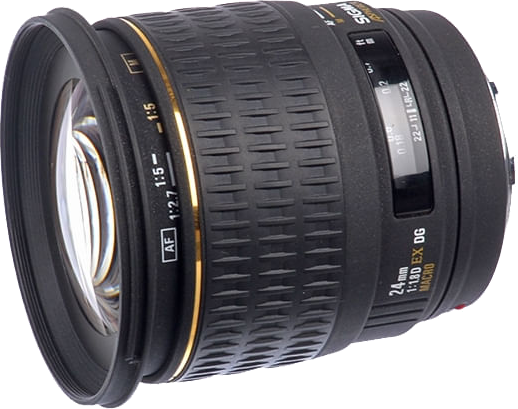
f/1.8 instead of f/1.4
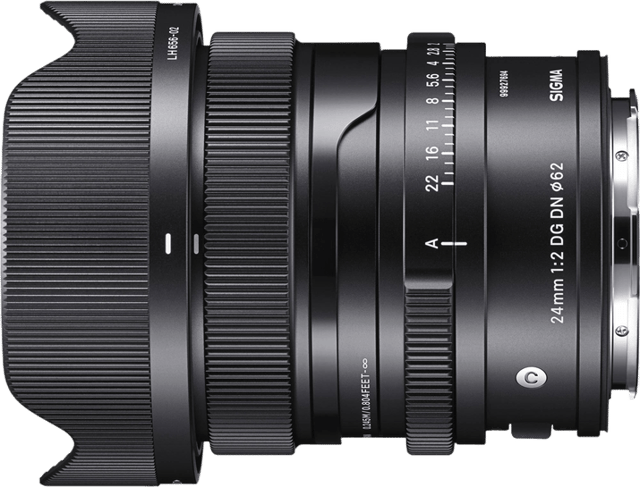
f/2.8 instead of f/1.4
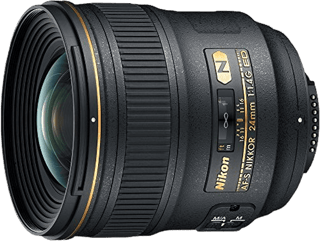
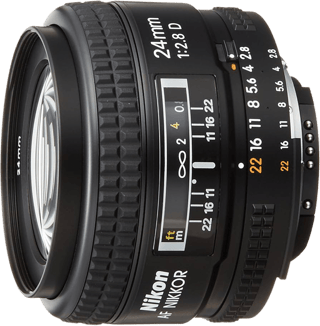
f/2.8 vs f/1.4 · 0.11× vs 0.18× close-up reach · 270 g vs 620 g
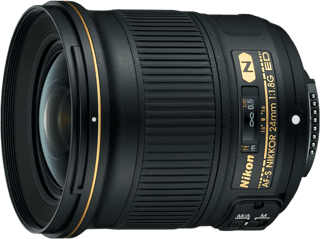
f/1.8 vs f/1.4 · 355 g vs 620 g