
Other Brand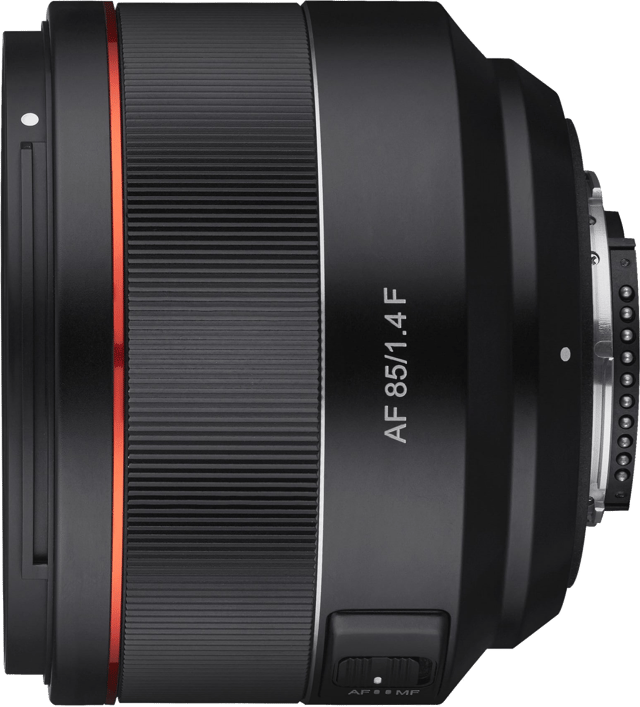
Samyang AF 85mm F/1.4 EF / F
f/1.4 instead of f/1.8
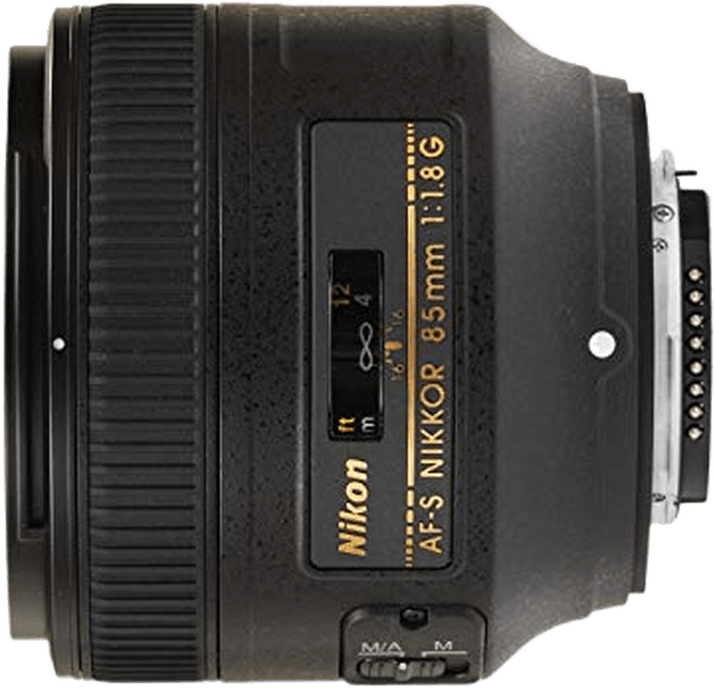
Nikon · 85 mm · f/1.8
This lens score is calculated from published specifications.
General | |
|---|---|
About This LensThis Nikon prime offers a fixed 85mm focal length and a bright f/1.8 maximum aperture for full-frame F-mount bodies. That pairing suits portrait photographers above all. It lets you work at a comfortable distance from a sitter and still fill the frame. Studio sittings, indoor sessions and outdoor head shots all suit this focal length, and stage-front coverage at recitals and school plays also fits. Nikon introduced it in 1994 and has since discontinued it, so it is an older design. The fixed focal length is the main constraint: when framing changes, you move rather than zoom. It also offers no image stabilization or weather sealing. | |
| Brand | Nikon |
| Release Year | 1994 |
Production Status ⓘCurrent status of lens manufacturing (e.g., in production, discontinued). |  Discontinued |
Lens Mount ⓘThe lens mount will tell you what type of lens range you can fit onto the camera body. Often the same camera company will have different lens ranges for different cameras. | Nikon F |
System ⓘIndicates which camera system the lens is designed to attach to. | Nikon F |
Maximum Format ⓘLargest sensor size compatible with the lens. |  Full Frame |
Physical43/100 | |
About the BuildThe lens weighs 13.4 oz (380 g) and measures 2.81 in (71.5 mm) across and 2.3 in (58.5 mm) long. That makes it a light, compact prime for the full-frame format. Screw-in filters attach directly to the 62mm front thread, so any 62mm filter fits without an adapter ring. | |
| Lens Weight | 380 g |
Lens Diameter ⓘWidth of the lens at its widest point | 71.5 mm |
Lens Length ⓘHow long the lens is from front to back. | 58.5 mm |
Front Filter Compatible ⓘSome lenses are compatible with front filters, some are compatible with back filters and some are compatible with both. Front filters are usually more convenient to add and remove. |  Yes |
Front Filter Size ⓘDiameter of attachable filters. | 62 mm |
Optics85/100 | |
About the OpticsOn a full-frame body, 85mm frames a head-and-shoulders portrait from a natural distance. Faces keep familiar proportions, and you keep room to direct a sitter. You can also cover a seated couple or a small group across a room without stepping far back. The f/1.8 maximum aperture is the headline specification. It passes enough light for dim interiors and evening sessions to keep shutter speeds usable. Wide open, depth of field is shallow, so a subject stands out from a busy background. Stopped down to f/2.8 or f/4, it can bring both eyes of a turned face into focus. Nine aperture blades help the opening stay close to round when you stop down, which helps out-of-focus highlights render evenly. The effect shows most in points of light, such as evening city backgrounds behind a sitter. Closest focus is 2.8 ft (85 cm), which suits half-body and head-and-shoulders portraits. The maximum magnification is 0.11x, so the lens reproduces people and larger subjects rather than fine detail. Its optical specification scores 85/100. | |
Focal Range ⓘShortest to longest focal length of the lens (zoom range start - end ) | 85 mm |
Aperture Range ⓘLargest aperture at the lens's shortest focal length to longest focal length (aperture range start - end) | 1.8 |
| Focal Length Angle of View | 28.56° |
Flange Focal Distance ⓘDistance from lens mount to sensor. | 46.5 mm |
Diaphragm Type ⓘStructure and design of the aperture |  Automatic |
Blades ⓘNumber of diaphragm blades in aperture | 9020 |
Zoom Lens ⓘZoom allows you to vary the focal length, change between long shots and close-ups | No |
Closest Focusing Distance ⓘMinimum distance for a subject to be in focus. | 85 cm01500 |
Maximum Magnification ⓘLargest size a subject can be reproduced | 0.11x |
| Autofocus Mode |  Yes |
| Manual Mode |  Yes |
| Manual Focusing Ring |  Yes |
Features19/100 | |
About the FeaturesImage stabilization is absent, so nothing in the lens corrects camera shake. At 85mm, low-light handheld work depends on steady technique, a higher ISO, or firm support. Static portraits are easiest, since you control the timing. Bracing your elbows against a wall or table gives similar help. Weather sealing is absent too, so keep the lens dry during outdoor sessions. The front glass carries no fluorine coating, so remove dust and smudges gently rather than rubbing. Its features specification scores 19/100. For a portrait prime working mostly indoors on willing sitters, those gaps may matter less than they would for travel or reportage use. A monopod bridges the gap between handheld and tripod work. | |
Weather Sealing ⓘWeather sealing capabilities will give you more confidence when shooting in unfavourable conditions. | No |
Fluorine Coating ⓘCoating to repel water and oil from lens elements. | No |
| Built In Lens Hood | No |
| Lens Hood Type |  Round |
Teleconverter ⓘA teleconverter (extender) is an extra piece of equipment that fits between the lens and the camera body to enhance magnification |  Yes |
| Image Stabilization | No |
Construction0/100 | |
About the ConstructionThe optical construction is simple: six elements arranged in six groups, so each group holds a single element. The design includes no aspherical, bi-aspherical, or low-dispersion glass. A plain layout like this is common for a prime that covers a single focal length. | |
Elements ⓘLens elements refer to individual pieces of glass within the lens. | 6 |
| Groups | 6 |
Aspherical Elements ⓘThe number of aspherical lens elements which can help correct aberrations such as spherical aberration. | 0 |
Bi Aspherical Elements ⓘElements with two non-spherical surfaces | 0 |
Low Dispersion ⓘElements that reduce chromatic aberration | 0 |
Super Low Dispersion ⓘAdvanced elements further reducing chromatic aberration | 0 |
CA Reduction ⓘBuilt-in features to reduce chromatic aberration | 0 |
Internal Focusing ⓘInternal Focusing means that the lens does not change in size during focusing, and the front element does not rotate. | No |
f/1.4 instead of f/1.8
f/1.4 instead of f/1.8
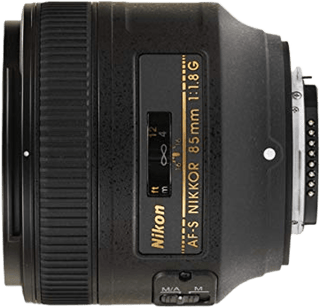
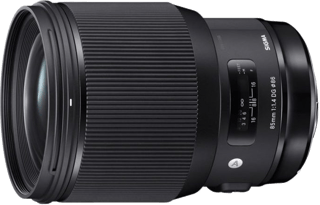
f/1.4 vs f/1.8 · 1130 g vs 380 g
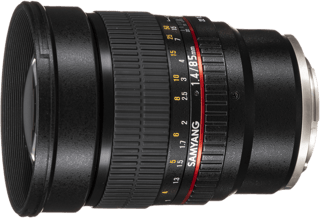
f/1.4 vs f/1.8 · Manual focus instead of autofocus · 520 g vs 380 g
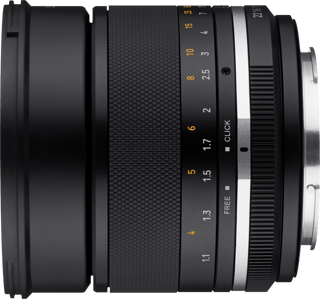
f/1.4 vs f/1.8 · 0.09× vs 0.11× close-up reach · Manual focus instead of autofocus