
Wider View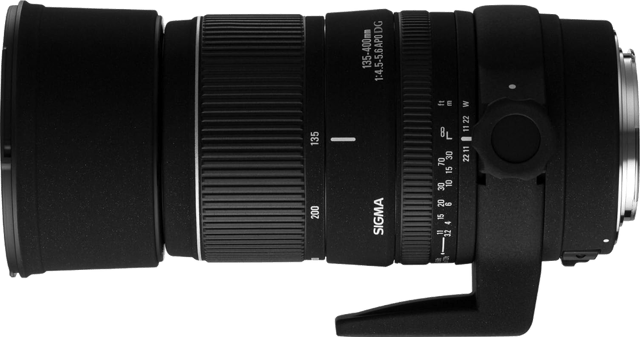
Sigma 135-400mm F/4.5-5.6 APO DG
135–400 mm instead of 180–400 mm
Nikon · 180–400 mm · f/4 · Image Stabilization
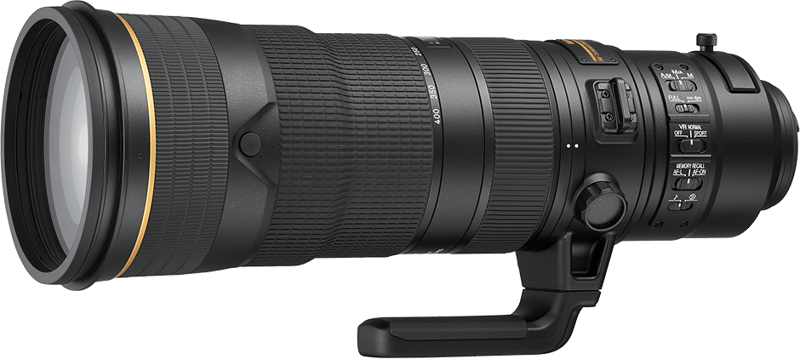
This lens score is calculated from published specifications.
General | |
|---|---|
About This LensThis Nikon F zoom covers 180–400mm at a constant f/4 on full-frame bodies. The range suits wildlife, birds and outdoor sport, where subjects keep their distance and move often. One lens then replaces a set of long primes, so you can reframe a scene without a lens swap. Nikon launched it in 2018, and it remains in production. The trade-off is weight and bulk. Long sessions usually call for a monopod or tripod rather than handholding. It suits photographers who plan to carry it, not those who want to travel light. | |
| Brand | Nikon |
| Release Year | 2018 |
Production Status ⓘCurrent status of lens manufacturing (e.g., in production, discontinued). |  In Production |
Lens Mount ⓘThe lens mount will tell you what type of lens range you can fit onto the camera body. Often the same camera company will have different lens ranges for different cameras. | Nikon F |
System ⓘIndicates which camera system the lens is designed to attach to. | Nikon F |
Maximum Format ⓘLargest sensor size compatible with the lens. |  Full Frame |
Physical56/100 | |
About the BuildThis lens weighs 7 lb 11.5 oz (3500 g). It measures 5.04 in (128 mm) across the body and 14.27 in (362.5 mm) long, so it takes real space in any kit. The front is not filter-compatible, so a screw-in filter cannot be fitted directly. Our physical score is 56/100. | |
| Lens Weight | 3500 g |
Lens Diameter ⓘWidth of the lens at its widest point | 128 mm |
Lens Length ⓘHow long the lens is from front to back. | 362.5 mm |
Front Filter Compatible ⓘSome lenses are compatible with front filters, some are compatible with back filters and some are compatible with both. Front filters are usually more convenient to add and remove. | No |
Optics71/100 | |
About the OpticsFocal lengths from 180mm to 400mm give you a working span for distant subjects. At 180mm you can place an animal in its surroundings; at 400mm you make the subject much larger without moving closer. For wildlife and field sport, that adjustment happens quickly on the rotary zoom ring while the action continues. The aperture stays at f/4 through the whole zoom. Exposure and shutter speed therefore stay predictable as you reframe. It is still a modest maximum for a lens this long. In weak light you will often raise ISO to keep shutter speeds fast enough for a bird taking flight. Nine aperture blades help out-of-focus highlights stay round once you stop down. The closest focus is 6.6 ft (200 cm), which suits larger animals and athletes rather than anything you can approach closely. Maximum magnification reaches 0.25x, so tightly framed subjects still fill a good share of a full frame. Our optics score is 71/100. | |
Focal Range ⓘShortest to longest focal length of the lens (zoom range start - end ) | 180–400 mm |
Aperture Range ⓘLargest aperture at the lens's shortest focal length to longest focal length (aperture range start - end) | 4 |
| Focal Length Angle of View | 13.707511710165273°–6.191937568343236° |
Flange Focal Distance ⓘDistance from lens mount to sensor. | 46.5 mm |
Diaphragm Type ⓘStructure and design of the aperture |  Automatic |
Blades ⓘNumber of diaphragm blades in aperture | 9020 |
Zoom Lens ⓘZoom allows you to vary the focal length, change between long shots and close-ups |  Yes |
Zoom Mechanism ⓘSystem enabling zoom function |  Manual |
Zoom Ring ⓘIf zooming is adjusted using a zoom ring |  Yes |
Zoom Type ⓘThe design or approach to zooming |  Rotary |
Closest Focusing Distance ⓘMinimum distance for a subject to be in focus. | 200 cm01500 |
Maximum Magnification ⓘLargest size a subject can be reproduced | 0.25x |
| Autofocus Mode |  Yes |
| Manual Mode |  Yes |
| Manual Focusing Ring |  Yes |
Features93/100 | |
About the FeaturesWeather sealing protects the lens against dust and moisture, which fits the damp hides and dusty sidelines where this lens is likely to be used. A fluorine coating on exposed glass helps water and oil shed, so the front wipes clean easily in the field. Built-in VR steadies the camera at long focal lengths, where small movements show clearly in the frame. It matters most at the 400mm end. Handheld shooting there becomes more workable, and framing stays steadier on a monopod between shots. There is no zoom lock, so nothing holds the barrel at a chosen focal length while the lens hangs at your side. Our features score is 93/100. | |
Weather Sealing ⓘWeather sealing capabilities will give you more confidence when shooting in unfavourable conditions. |  Yes |
Fluorine Coating ⓘCoating to repel water and oil from lens elements. |  Yes |
| Built In Lens Hood | No |
| Lens Hood Type |  Round |
Zoom Lock ⓘZoom lock allows the zoom ring to be locked at the desired focal length | No |
Teleconverter ⓘA teleconverter (extender) is an extra piece of equipment that fits between the lens and the camera body to enhance magnification |  Yes |
| Image Stabilization | Yes |
IS Efficiency ⓘIS efficiency refers to the effectiveness of the image stabilization system in compensating for the blurring effects of camera shake, quantified by the number of stops of stabilization it provides. | 4 stops |
Construction54/100 | |
About the ConstructionThe optical formula uses 27 elements in 19 groups, including low-dispersion glass. That glass type helps reduce chromatic aberration, where colours focus at different points and show as fringes along high-contrast edges. With a bird or aircraft framed against a bright sky, that fringing is the effect to watch. Focusing is internal, so the outer barrel keeps a fixed length while you focus. | |
Elements ⓘLens elements refer to individual pieces of glass within the lens. | 27 |
| Groups | 19 |
Aspherical Elements ⓘThe number of aspherical lens elements which can help correct aberrations such as spherical aberration. | 0 |
Bi Aspherical Elements ⓘElements with two non-spherical surfaces | 0 |
Low Dispersion ⓘElements that reduce chromatic aberration | 1 |
Super Low Dispersion ⓘAdvanced elements further reducing chromatic aberration | 0 |
CA Reduction ⓘBuilt-in features to reduce chromatic aberration | 1 |
Internal Focusing ⓘInternal Focusing means that the lens does not change in size during focusing, and the front element does not rotate. |  Yes |
135–400 mm instead of 180–400 mm
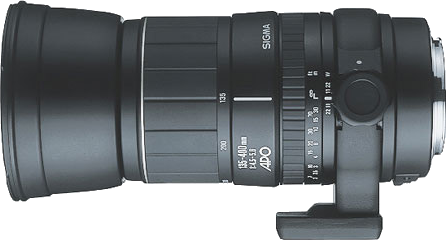
135–400 mm instead of 180–400 mm · f/4.5–5.6 instead of f/4
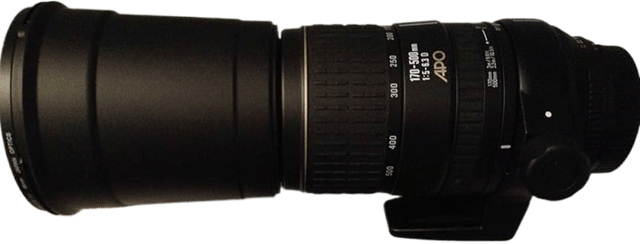
170–500 mm instead of 180–400 mm
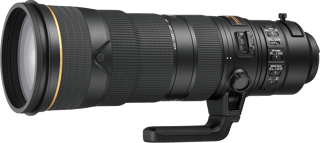
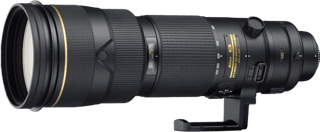
200–400 mm vs 180–400 mm
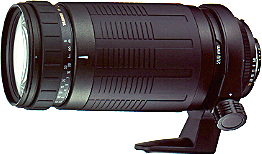
200–400 mm vs 180–400 mm · f/5.6 vs f/4 · 0.16× vs 0.25× close-up reach
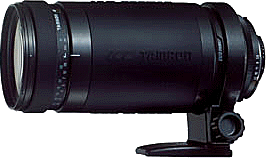
200–400 mm vs 180–400 mm · f/5.6 vs f/4 · 0.16× vs 0.25× close-up reach