
Zoom Flexibility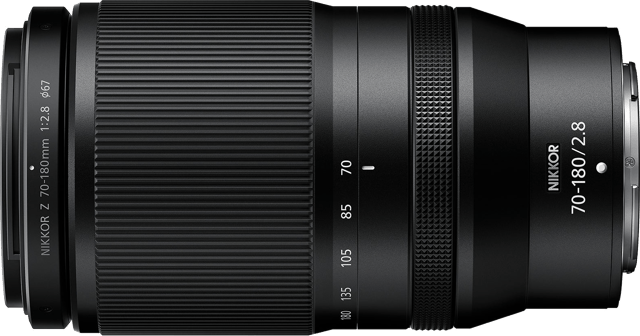
Nikon NIKKOR Z 70-180mm F/2.8
70–180 mm zoom instead of 135 mm prime
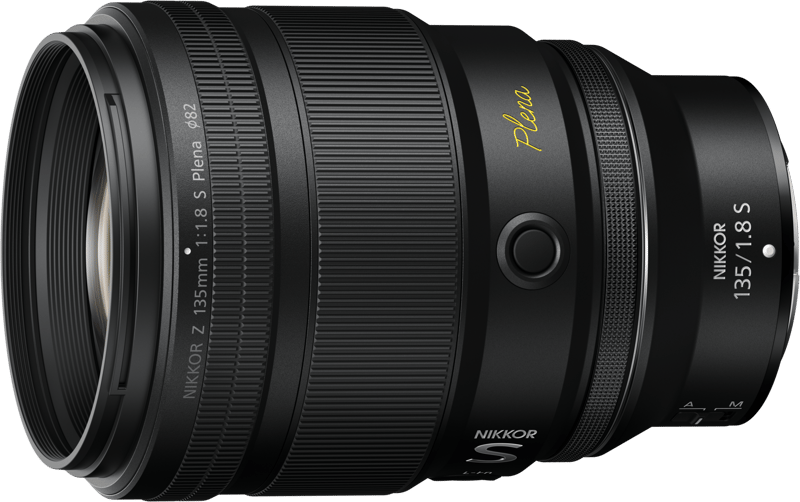
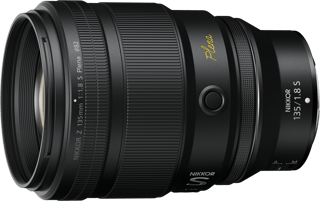
Nikon · 135 mm · f/1.8 · S-Line
This lens score is calculated from published specifications.
General | |
|---|---|
About This LensNikon released the Plena in 2023, and it remains in production. This full-frame prime fits the Nikon Z mount and serves one role well: people photography. The 135mm focal length suits portraits, from studio headshots to candid wedding work. It also serves stage performers and indoor speakers from a respectful distance. The main trade-off is specialization. A single 135mm view cannot reframe quickly, so you move your feet or swap lenses for wider scenes. The body is also substantial. For a portrait or event shooter, those compromises come with the focal length itself. | |
| Brand | Nikon |
| Release Year | 2023 |
Production Status ⓘCurrent status of lens manufacturing (e.g., in production, discontinued). |  In Production |
Pro Branding ⓘSpecific branding codes used for professional-tier lenses. | S-Line |
Lens Mount ⓘThe lens mount will tell you what type of lens range you can fit onto the camera body. Often the same camera company will have different lens ranges for different cameras. | Nikon Z |
System ⓘIndicates which camera system the lens is designed to attach to. | Nikon Z |
Maximum Format ⓘLargest sensor size compatible with the lens. |  Full Frame |
Physical100/100 | |
About the BuildThe lens weighs 2 lb 3.1 oz (995 g) and measures 5.49 in (139.5 mm) long and 3.86 in (98 mm) wide. That is a substantial package for a portrait prime, so expect a firm grip and a strap during long sessions. It takes 82mm screw-in filters, which thread directly onto the front. | |
| Lens Weight | 995 g |
Lens Diameter ⓘWidth of the lens at its widest point | 98 mm |
Lens Length ⓘHow long the lens is from front to back. | 139.5 mm |
Front Filter Compatible ⓘSome lenses are compatible with front filters, some are compatible with back filters and some are compatible with both. Front filters are usually more convenient to add and remove. |  Yes |
Front Filter Size ⓘDiameter of attachable filters. | 82 mm |
Optics87/100 | |
About the OpticsAt 135mm on full frame, this lens frames head-and-shoulders portraits from a natural working distance. That distance keeps faces proportionate while letting backgrounds fall far behind the subject. Event photographers can isolate a speaker or dancer without standing in the aisle. Outdoor sessions gain the same compression, with distant buildings and trees reduced to quiet backdrops. The f/1.8 maximum aperture gives two practical gains. It gathers light for dim reception halls and stage lighting. It also throws backgrounds far out of focus, so busy venues soften behind the subject. Both gains suit the candid, available-light style this lens encourages. Eleven aperture blades help the opening stay round when you stop down. Round openings render out-of-focus highlights as smooth circles rather than obvious polygons. That matters for candlelight, string lights and stage spots. Closest focus sits at 2.7 ft (82 cm). That gives comfortable working room for tight head shots. Maximum magnification reaches 0.2x, enough to fill the frame with a face or a small still-life detail. The optics rating is 87 out of 100. | |
Focal Range ⓘShortest to longest focal length of the lens (zoom range start - end ) | 135 mm |
Aperture Range ⓘLargest aperture at the lens's shortest focal length to longest focal length (aperture range start - end) | 1.8 |
| Focal Length Angle of View | 18.209520027796565° |
Flange Focal Distance ⓘDistance from lens mount to sensor. | 16 mm |
Diaphragm Type ⓘStructure and design of the aperture |  Automatic |
Blades ⓘNumber of diaphragm blades in aperture | 11020 |
Zoom Lens ⓘZoom allows you to vary the focal length, change between long shots and close-ups | No |
Closest Focusing Distance ⓘMinimum distance for a subject to be in focus. | 82 cm01500 |
Maximum Magnification ⓘLargest size a subject can be reproduced | 0.2x |
| Autofocus Mode |  Yes |
| Manual Mode |  Yes |
| Manual Focusing Ring |  Yes |
Features32/100 | |
About the FeaturesThere is no built-in image stabilization. At 135mm, camera shake shows more than at short focal lengths. Handheld work benefits from steady technique or a tripod for still subjects. Moving subjects need brisk speeds anyway, so candid event work loses little. The features rating is 32 out of 100. Weather sealing guards the lens against dust and moisture in ordinary field conditions. That suits outdoor portrait sessions where weather changes without warning. The front element lacks a fluorine coating, so plan on careful cleaning after rain or spray. | |
Weather Sealing ⓘWeather sealing capabilities will give you more confidence when shooting in unfavourable conditions. |  Yes |
Fluorine Coating ⓘCoating to repel water and oil from lens elements. | No |
| Built In Lens Hood | No |
| Lens Hood Type |  Round |
Teleconverter ⓘA teleconverter (extender) is an extra piece of equipment that fits between the lens and the camera body to enhance magnification | No |
| Image Stabilization | No |
Construction69/100 | |
About the ConstructionThe formula uses aspherical elements, whose specially shaped surfaces help correct distortion and spherical aberration. Distortion can make straight edges appear curved, so the correction matters when a doorway or window sits behind a sitter. Low-dispersion glass helps reduce chromatic aberration, where colors focus differently and form fringes along high-contrast edges, such as hair against a bright window. Internal focusing keeps the barrel from extending as focus changes, which helps at close portrait distances. | |
Elements ⓘLens elements refer to individual pieces of glass within the lens. | 16 |
| Groups | 14 |
Aspherical Elements ⓘThe number of aspherical lens elements which can help correct aberrations such as spherical aberration. | 1 |
Bi Aspherical Elements ⓘElements with two non-spherical surfaces | 0 |
Low Dispersion ⓘElements that reduce chromatic aberration | 1 |
Super Low Dispersion ⓘAdvanced elements further reducing chromatic aberration | 0 |
CA Reduction ⓘBuilt-in features to reduce chromatic aberration | 1 |
Internal Focusing ⓘInternal Focusing means that the lens does not change in size during focusing, and the front element does not rotate. |  Yes |
70–180 mm zoom instead of 135 mm prime
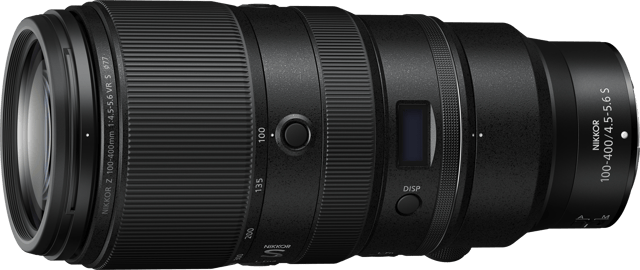
100–400 mm instead of 135 mm
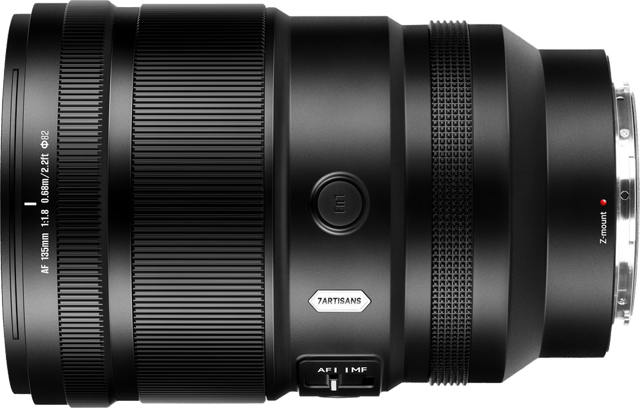
0.25× vs 0.2× close-up reach · 1265 g vs 995 g
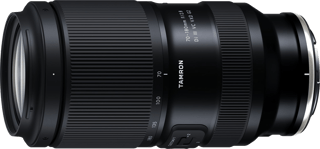
70–180 mm vs 135 mm · f/2.8 vs f/1.8 · 0.38× vs 0.2× close-up reach
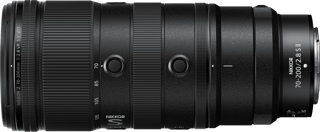
70–200 mm vs 135 mm · f/2.8 vs f/1.8 · 0.3× vs 0.2× close-up reach