
Zoom Flexibility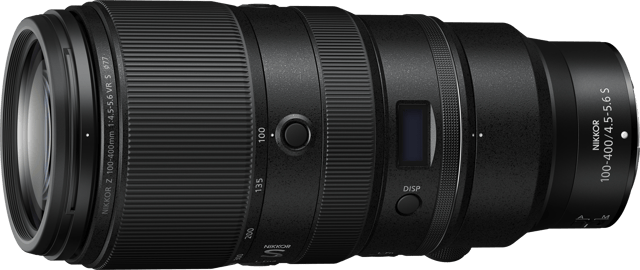
Nikon NIKKOR Z 100-400mm F/4.5-5.6 VR S
100–400 mm zoom instead of 400 mm prime
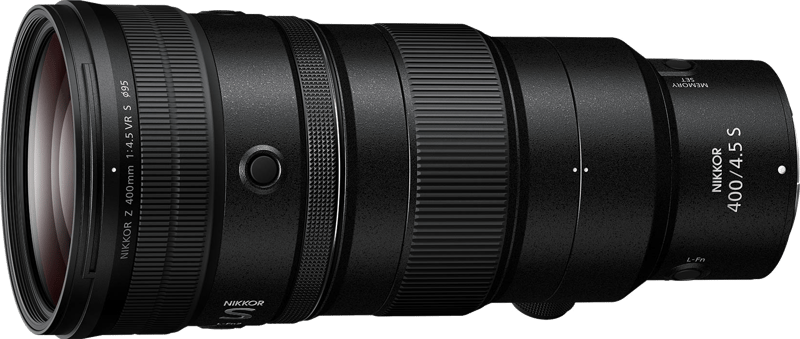
Nikon · 400 mm · f/4.5 · S-Line · Image Stabilization
This lens score is calculated from published specifications.
General | |
|---|---|
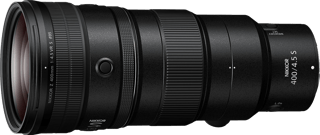
About This LensThe NIKKOR Z 400mm F/4.5 VR S is a fixed-focal-length telephoto for Nikon Z full-frame cameras. Nikon launched it in 2022, and it remains in production today. A 400mm focal length suits distant subjects such as wildlife, birds and outdoor sport. At 2 lb 8.9 oz (1160 g), it stays manageable for a 400mm prime, so handheld shooting and a full day in the field stay realistic. The trade-off is framing. With no zoom, you compose by moving, waiting or cropping. The f/4.5 maximum aperture also asks for reasonable light at the shutter speeds long lenses need. | |
| Brand | Nikon |
| Release Year | 2022 |
Production Status ⓘCurrent status of lens manufacturing (e.g., in production, discontinued). |  In Production |
Pro Branding ⓘSpecific branding codes used for professional-tier lenses. | S-Line |
Lens Mount ⓘThe lens mount will tell you what type of lens range you can fit onto the camera body. Often the same camera company will have different lens ranges for different cameras. | Nikon Z |
System ⓘIndicates which camera system the lens is designed to attach to. | Nikon Z |
Maximum Format ⓘLargest sensor size compatible with the lens. |  Full Frame |
Physical100/100 | |
About the BuildThe lens weighs 2 lb 8.9 oz (1160 g), measures 9.23 in (234.5 mm) long and spans 4.09 in (104 mm) wide. That size and weight keep a long field day practical. A screw-in filter must match the 95mm thread on the front. | |
| Lens Weight | 1160 g |
Lens Diameter ⓘWidth of the lens at its widest point | 104 mm |
Lens Length ⓘHow long the lens is from front to back. | 234.5 mm |
Front Filter Compatible ⓘSome lenses are compatible with front filters, some are compatible with back filters and some are compatible with both. Front filters are usually more convenient to add and remove. |  Yes |
Front Filter Size ⓘDiameter of attachable filters. | 95 mm |
Optics68/100 | |
About the OpticsA 400mm focal length makes distant subjects large in the frame. A bird across a marsh, a striker at the far touchline or a deer at the field edge fills the picture without a risky approach. The reach also keeps you far from animals that startle easily, and it stacks background layers behind a standing subject. The f/4.5 maximum aperture is moderate for this class. It supports reasonable shutter speeds in daylight and on bright overcast mornings. Dim evening light may push shutter speeds down or call for higher ISO settings. Depth of field at 400mm is shallow even at f/4.5, so a perched bird separates cleanly from the grass behind it. Focus reaches as close as 8.2 ft (250 cm). A feeder station or park animal that tolerates people often lets you work at that distance. A shy wild subject or a tight hide may not, so plan your position. Its optics specification score is 68/100. Nine aperture blades help keep out-of-focus highlights smooth when the background is busy. | |
Focal Range ⓘShortest to longest focal length of the lens (zoom range start - end ) | 400 mm |
Aperture Range ⓘLargest aperture at the lens's shortest focal length to longest focal length (aperture range start - end) | 4.5 |
| Focal Length Angle of View | 6.191937568343236° |
Flange Focal Distance ⓘDistance from lens mount to sensor. | 16 mm |
Diaphragm Type ⓘStructure and design of the aperture |  Automatic |
Blades ⓘNumber of diaphragm blades in aperture | 9020 |
Zoom Lens ⓘZoom allows you to vary the focal length, change between long shots and close-ups | No |
Closest Focusing Distance ⓘMinimum distance for a subject to be in focus. | 250 cm01500 |
Maximum Magnification ⓘLargest size a subject can be reproduced | 0.16x |
| Autofocus Mode |  Yes |
| Manual Mode |  Yes |
| Manual Focusing Ring |  Yes |
Features99/100 | |
About the FeaturesVibration Reduction is built in. It helps keep handheld frames sharp at slower shutter speeds, which matters at 400mm, where small camera movements show more strongly in the frame. The steadier view also helps you keep a distant subject framed while you wait for behaviour. For a resting heron before the light builds, that buys useful latitude. The lens is weather sealed, so dust and moisture in a marsh morning or a dry sports field pose less worry. A fluorine coating on the front element sheds water, oil and dirt, so splashes and fingerprints wipe off easily between sessions. Its features score is 99/100. | |
Weather Sealing ⓘWeather sealing capabilities will give you more confidence when shooting in unfavourable conditions. |  Yes |
Fluorine Coating ⓘCoating to repel water and oil from lens elements. |  Yes |
| Built In Lens Hood | No |
| Lens Hood Type |  Round |
Teleconverter ⓘA teleconverter (extender) is an extra piece of equipment that fits between the lens and the camera body to enhance magnification |  Yes |
| Image Stabilization | Yes |
IS Efficiency ⓘIS efficiency refers to the effectiveness of the image stabilization system in compensating for the blurring effects of camera shake, quantified by the number of stops of stabilization it provides. | 5.5 stops |
Construction55/100 | |
About the ConstructionNikon builds this lens with low-dispersion and Super ED glass. These glass types help reduce chromatic aberration, the coloured fringes that can appear along high-contrast edges such as a backlit bird against dark water. Focusing happens inside the barrel, so the lens keeps its length as focus changes. That helps when you shoot from a hide, because the barrel does not push forward. Its construction specification score is 55/100. | |
Elements ⓘLens elements refer to individual pieces of glass within the lens. | 19 |
| Groups | 13 |
Aspherical Elements ⓘThe number of aspherical lens elements which can help correct aberrations such as spherical aberration. | 0 |
Bi Aspherical Elements ⓘElements with two non-spherical surfaces | 0 |
Low Dispersion ⓘElements that reduce chromatic aberration | 1 |
Super Low Dispersion ⓘAdvanced elements further reducing chromatic aberration | 1 |
CA Reduction ⓘBuilt-in features to reduce chromatic aberration | 1 |
Internal Focusing ⓘInternal Focusing means that the lens does not change in size during focusing, and the front element does not rotate. |  Yes |
100–400 mm zoom instead of 400 mm prime
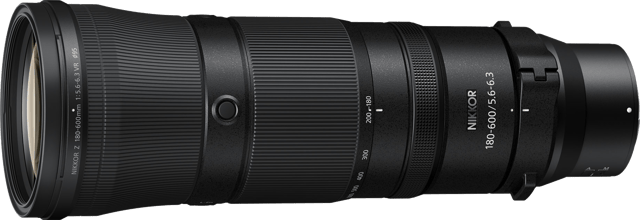
180–600 mm instead of 400 mm
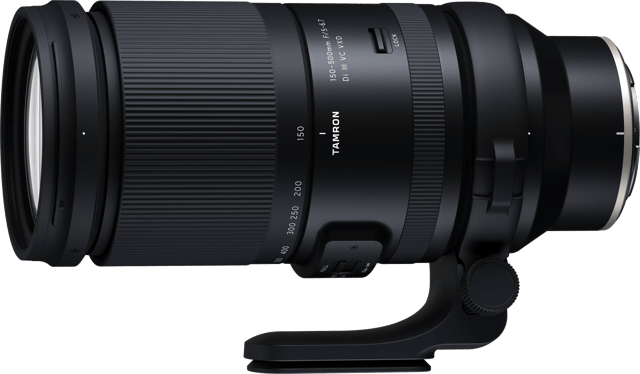
150–500 mm zoom instead of 400 mm prime
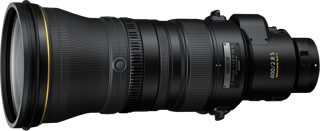
f/2.8 vs f/4.5 · 2950 g vs 1160 g