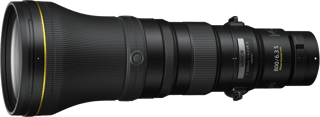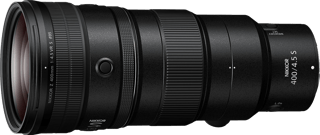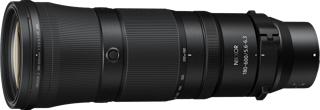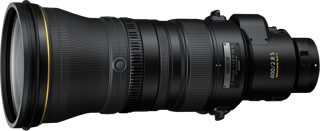
Higher Score
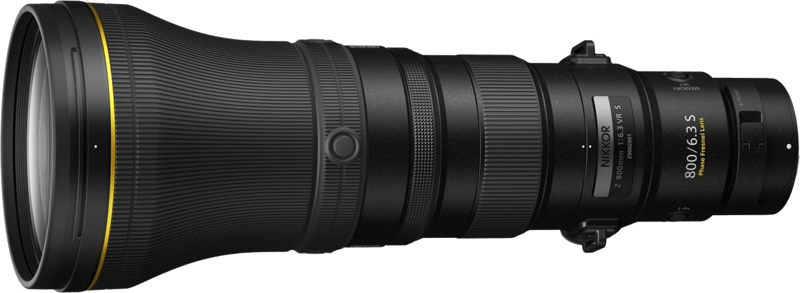
Nikon · 800 mm · f/6.3 · S-Line · Image Stabilization
This lens score is calculated from published specifications.
General | |
|---|---|
About This LensThis Nikon Z full-frame prime is built around one job: putting distant subjects large in the frame. It suits bird, wildlife and outdoor sport photographers working on the Nikon Z mount, and it has stayed in production since its 2022 release. The trade-off is the prime design itself. The focal length is fixed at 800mm, so you frame by planning your position rather than zooming. The f/6.3 maximum aperture asks for reasonable light, which open country usually supplies. Size and weight come with the reach. For a dedicated long-lens shooter, those are workable terms. | |
| Brand | Nikon |
| Release Year | 2022 |
Production Status ⓘCurrent status of lens manufacturing (e.g., in production, discontinued). |  In Production |
Pro Branding ⓘSpecific branding codes used for professional-tier lenses. | S-Line |
Lens Mount ⓘThe lens mount will tell you what type of lens range you can fit onto the camera body. Often the same camera company will have different lens ranges for different cameras. | Nikon Z |
System ⓘIndicates which camera system the lens is designed to attach to. | Nikon Z |
Maximum Format ⓘLargest sensor size compatible with the lens. |  Full Frame |
Physical92/100 | |
About the BuildThe lens weighs 5 lb 4.1 oz (2385 g) and measures 15.16 in (385 mm) long, with a 5.51 in (140 mm) body. This is a big lens, and a tripod or monopod makes long sessions more comfortable. The front takes no filter thread, so screw-in filters cannot attach directly. | |
| Lens Weight | 2385 g |
Lens Diameter ⓘWidth of the lens at its widest point | 140 mm |
Lens Length ⓘHow long the lens is from front to back. | 385 mm |
Front Filter Compatible ⓘSome lenses are compatible with front filters, some are compatible with back filters and some are compatible with both. Front filters are usually more convenient to add and remove. | No |
Optics59/100 | |
About the OpticsAt 800mm, distant subjects become large in the frame without heavy cropping. A wading bird across a marsh can fill the frame from a respectful distance. So can a deer at the field edge or a player on the far touchline. That reach also keeps you outside a bird's flush distance, which often decides whether you get the shot. The f/6.3 maximum aperture sets the limit for light gathering. In bright daylight you have room to spare. In shade or at dawn and dusk you will lean on higher ISO or slower shutter speeds. Fast action compounds this, because a bird in flight needs a quick shutter whatever the lens allows. The two needs pull against each other, and a higher ISO is the usual answer. As a prime, f/6.3 is the only maximum available to you. Close focus at 16.4 ft (500 cm) helps when a subject comes near. You can fill the frame with a nearby bird or animal instead of waiting for distance. | |
Focal Range ⓘShortest to longest focal length of the lens (zoom range start - end ) | 800 mm |
Aperture Range ⓘLargest aperture at the lens's shortest focal length to longest focal length (aperture range start - end) | 6.3 |
| Focal Length Angle of View | 3.098230309867877° |
Flange Focal Distance ⓘDistance from lens mount to sensor. | 16 mm |
Diaphragm Type ⓘStructure and design of the aperture |  Automatic |
Blades ⓘNumber of diaphragm blades in aperture | 9020 |
Zoom Lens ⓘZoom allows you to vary the focal length, change between long shots and close-ups | No |
Closest Focusing Distance ⓘMinimum distance for a subject to be in focus. | 500 cm01500 |
Maximum Magnification ⓘLargest size a subject can be reproduced | 0.16x |
| Autofocus Mode |  Yes |
| Manual Mode |  Yes |
| Manual Focusing Ring |  Yes |
Features99/100 | |
About the FeaturesWeather sealing and a fluorine coating suit field work. The sealing helps keep dust and moisture away from the internals, which matters on wet mornings near water or in coastal wind. The fluorine coating helps the front element shed water, oil and dust, so cleaning between bursts is quicker. Vibration Reduction steadies the camera at this focal length, where small movements are magnified in the frame. It helps with handheld framing and with composing while the lens rests on a support. It counters camera movement rather than subject movement, so a flying bird still needs a quick shutter. This lens scores 99/100 in our features specification assessment. | |
Weather Sealing ⓘWeather sealing capabilities will give you more confidence when shooting in unfavourable conditions. |  Yes |
Fluorine Coating ⓘCoating to repel water and oil from lens elements. |  Yes |
| Built In Lens Hood | No |
| Lens Hood Type |  Round |
Teleconverter ⓘA teleconverter (extender) is an extra piece of equipment that fits between the lens and the camera body to enhance magnification |  Yes |
| Image Stabilization | Yes |
IS Efficiency ⓘIS efficiency refers to the effectiveness of the image stabilization system in compensating for the blurring effects of camera shake, quantified by the number of stops of stabilization it provides. | 5.5 stops |
Construction54/100 | |
About the ConstructionThe optical formula uses 22 elements in 14 groups. Low-dispersion glass in the design helps reduce chromatic aberration. That fault shows as coloured fringes along high-contrast edges, such as a bird's outline against a bright sky. Edges of that kind are common at 800mm, so the glass is relevant here. Focusing is internal, so the adjustments happen inside the barrel. | |
Elements ⓘLens elements refer to individual pieces of glass within the lens. | 22 |
| Groups | 14 |
Aspherical Elements ⓘThe number of aspherical lens elements which can help correct aberrations such as spherical aberration. | 0 |
Bi Aspherical Elements ⓘElements with two non-spherical surfaces | 0 |
Low Dispersion ⓘElements that reduce chromatic aberration | 1 |
Super Low Dispersion ⓘAdvanced elements further reducing chromatic aberration | 0 |
CA Reduction ⓘBuilt-in features to reduce chromatic aberration | 2 |
Internal Focusing ⓘInternal Focusing means that the lens does not change in size during focusing, and the front element does not rotate. |  Yes |
500 mm · f/6.3 · Manual focus instead of autofocus