Manual Focus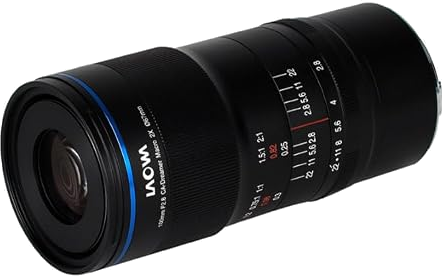
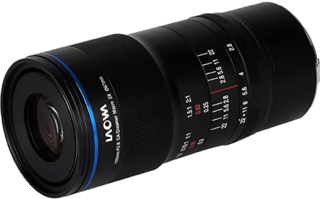
Laowa 100mm f/2.8 2:1 APO Ultra-Macro
100 mm · f/2.8 · 2× instead of 1× maximum magnification · Manual focus instead of autofocus
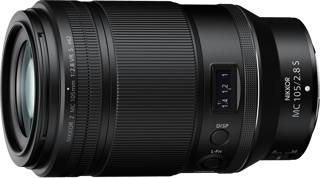
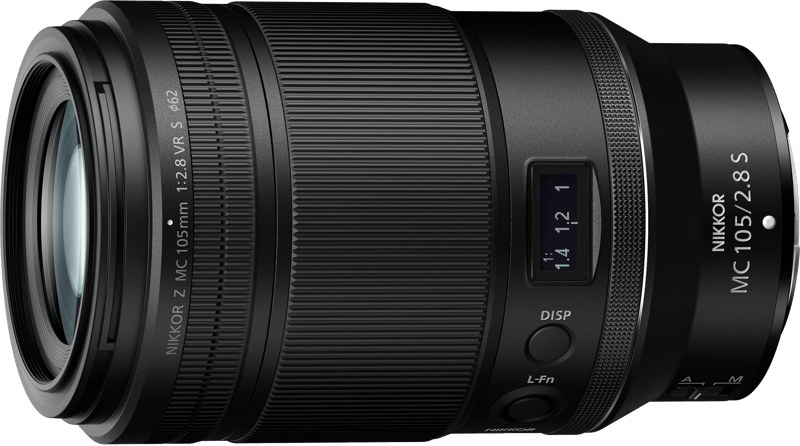
Nikon · 105 mm · f/2.8 · S-Line · Image Stabilization
This lens score is calculated from published specifications.
General | |
|---|---|
About This LensThis Nikon prime fits the Nikon Z mount and covers full-frame sensors. It serves photographers who photograph small subjects and people. Flowers, insects, product shots, and food suit it well, and the same 105mm framing flatters portraits and detail shots at events. Nikon released it in 2021, and it remains in production. The main trade-off is the single focal length. You cannot widen for a scene or reach further for distant subjects, so you frame by moving yourself. In return, the design keeps a bright F/2.8 maximum aperture. For close work and portraits, that single length rarely feels limiting. | |
| Brand | Nikon |
| Release Year | 2021 |
Production Status ⓘCurrent status of lens manufacturing (e.g., in production, discontinued). |  In Production |
Pro Branding ⓘSpecific branding codes used for professional-tier lenses. | S-Line |
Lens Mount ⓘThe lens mount will tell you what type of lens range you can fit onto the camera body. Often the same camera company will have different lens ranges for different cameras. | Nikon Z |
System ⓘIndicates which camera system the lens is designed to attach to. | Nikon Z |
Maximum Format ⓘLargest sensor size compatible with the lens. |  Full Frame |
Physical100/100 | |
About the BuildAt 1 lb 6.2 oz (630 g), this lens has real presence on a Z body, yet handheld sessions stay workable. It measures 3.35 in (85 mm) across and 5.51 in (140 mm) long. The front accepts 62mm screw-in filters directly, so a polariser or protective filter needs that thread size. A polariser can tame glare from glossy leaves too. | |
| Lens Weight | 630 g |
Lens Diameter ⓘWidth of the lens at its widest point | 85 mm |
Lens Length ⓘHow long the lens is from front to back. | 140 mm |
Front Filter Compatible ⓘSome lenses are compatible with front filters, some are compatible with back filters and some are compatible with both. Front filters are usually more convenient to add and remove. |  Yes |
Front Filter Size ⓘDiameter of attachable filters. | 62 mm |
Optics82/100 | |
About the OpticsThe 105mm focal length gives you working room. You can frame a flower or a wary insect from a distance, without blocking its light or startling it. That distance matters outdoors, where you cannot always stand right beside a subject. Closest focus sits at 1 ft (29 cm), so tight framing stays easy. Maximum magnification reaches 1x, so a small subject records at full scale on the full-frame sensor. Fine texture in petals, coins, or jewellery can fill the frame. This magnification is the lens's defining strength. The F/2.8 maximum aperture gives useful control over depth of field. For portraits at normal distances, F/2.8 separates a face from its background. At close range the sharp zone turns razor thin, so stopping down is often needed to keep a whole subject sharp. Nine aperture blades help smooth out-of-focus areas behind it. The optics specification scores 82/100 here. In dim interiors, F/2.8 admits more light than a smaller aperture, supporting natural-light product work. Indoor product and food shots often rely on window light alone. | |
Focal Range ⓘShortest to longest focal length of the lens (zoom range start - end ) | 105 mm |
Aperture Range ⓘLargest aperture at the lens's shortest focal length to longest focal length (aperture range start - end) | 2.8 |
| Focal Length Angle of View | 23.29° |
Flange Focal Distance ⓘDistance from lens mount to sensor. | 16 mm |
Diaphragm Type ⓘStructure and design of the aperture |  Automatic |
Blades ⓘNumber of diaphragm blades in aperture | 9020 |
Zoom Lens ⓘZoom allows you to vary the focal length, change between long shots and close-ups | No |
Closest Focusing Distance ⓘMinimum distance for a subject to be in focus. | 29 cm01500 |
Maximum Magnification ⓘLargest size a subject can be reproduced | 1x |
| Autofocus Mode |  Yes |
| Manual Mode |  Yes |
| Manual Focusing Ring |  Yes |
Features76/100 | |
About the FeaturesVibration Reduction is built in and steadies the camera for handheld work. At 105mm, small hand movements show more than they would at a wide angle. That effect grows at high magnification, where every shift is more visible in the frame. It helps for handheld shots where a tripod would be awkward, such as working low among garden plants. Weather sealing protects the lens against dust and moisture in the field. A fluorine coating on the front helps water and oil slide off. It also makes the glass easier to wipe clean after sessions near soil or dew. Together, sealing and coating suit the lens to outdoor close-up work, where damp ground and changeable weather appear. | |
Weather Sealing ⓘWeather sealing capabilities will give you more confidence when shooting in unfavourable conditions. |  Yes |
Fluorine Coating ⓘCoating to repel water and oil from lens elements. |  Yes |
| Built In Lens Hood | No |
| Lens Hood Type |  Round |
Teleconverter ⓘA teleconverter (extender) is an extra piece of equipment that fits between the lens and the camera body to enhance magnification | No |
| Image Stabilization | Yes |
IS Efficiency ⓘIS efficiency refers to the effectiveness of the image stabilization system in compensating for the blurring effects of camera shake, quantified by the number of stops of stabilization it provides. | 4.5 stops |
Construction31/100 | |
About the ConstructionThe optical path uses 16 elements in 11 groups, including aspherical elements and low-dispersion glass. Aspherical surfaces help correct distortion and spherical aberration. Low-dispersion glass helps reduce chromatic aberration, which shows as colour fringes along high-contrast edges. The construction specification scores 31/100 on this page. | |
Elements ⓘLens elements refer to individual pieces of glass within the lens. | 16 |
| Groups | 11 |
Aspherical Elements ⓘThe number of aspherical lens elements which can help correct aberrations such as spherical aberration. | 1 |
Bi Aspherical Elements ⓘElements with two non-spherical surfaces | 0 |
Low Dispersion ⓘElements that reduce chromatic aberration | 1 |
Super Low Dispersion ⓘAdvanced elements further reducing chromatic aberration | 0 |
CA Reduction ⓘBuilt-in features to reduce chromatic aberration | 0 |
Internal Focusing ⓘInternal Focusing means that the lens does not change in size during focusing, and the front element does not rotate. | No |
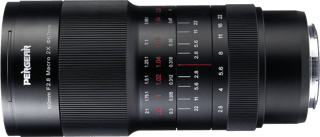
100 mm · f/2.8 · 2× instead of 1× maximum magnification · Manual focus instead of autofocus
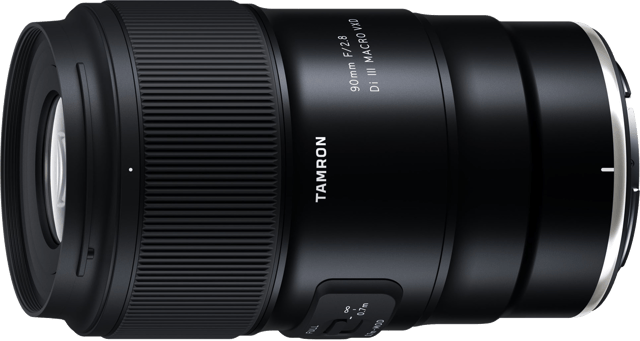
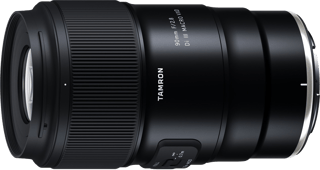
90 mm instead of 105 mm
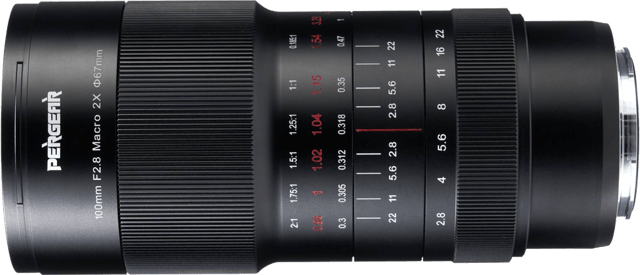
100 mm · f/2.8 · 2× instead of 1× maximum magnification · Manual focus instead of autofocus