
Other Brand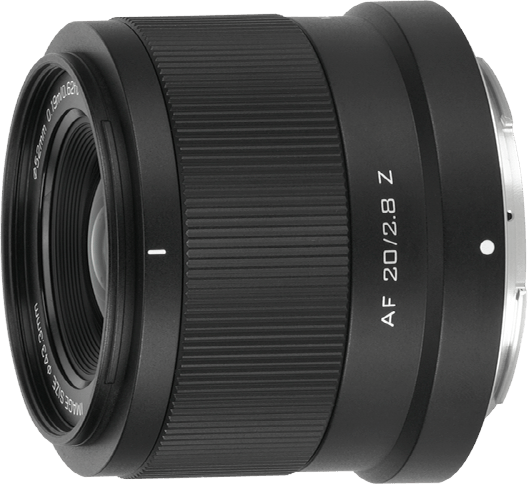
Viltrox AF 20mm F2.8
f/2.8 instead of f/1.8
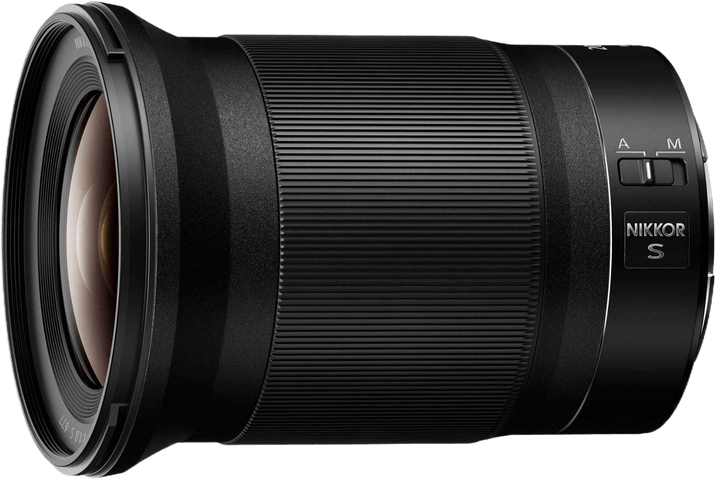
Nikon · 20 mm · f/1.8 · S-Line
This lens score is calculated from published specifications.
General | |
|---|---|
About This LensThe NIKKOR Z 20mm F/1.8 S is a wide-angle prime for Nikon Z full-frame cameras. Nikon introduced it in 2020, and it remains in production today. The fixed 20mm focal length suits landscapes, architecture, interiors and night skies, where broad framing matters more than zoom flexibility. The f/1.8 maximum aperture sets it apart from slower wide-angle zooms in dim light. The main trade-off is the single focal length. You frame by moving yourself, which suits deliberate work but slows varied shooting. Pair it with a longer lens when a shoot needs variety. | |
| Brand | Nikon |
| Release Year | 2020 |
Production Status ⓘCurrent status of lens manufacturing (e.g., in production, discontinued). |  In Production |
Pro Branding ⓘSpecific branding codes used for professional-tier lenses. | S-Line |
Lens Mount ⓘThe lens mount will tell you what type of lens range you can fit onto the camera body. Often the same camera company will have different lens ranges for different cameras. | Nikon Z |
System ⓘIndicates which camera system the lens is designed to attach to. | Nikon Z |
Maximum Format ⓘLargest sensor size compatible with the lens. |  Full Frame |
Physical100/100 | |
About the BuildIt weighs 1 lb 1.8 oz (505 g) and measures 3.33 in (84.5 mm) wide by 4.27 in (108.5 mm) long. The front takes 77mm screw-in filters, so a polariser or ND filter must match that thread. A 77mm polariser suits landscape frames, though it costs some light. | |
| Lens Weight | 505 g |
Lens Diameter ⓘWidth of the lens at its widest point | 84.5 mm |
Lens Length ⓘHow long the lens is from front to back. | 108.5 mm |
Front Filter Compatible ⓘSome lenses are compatible with front filters, some are compatible with back filters and some are compatible with both. Front filters are usually more convenient to add and remove. |  Yes |
Front Filter Size ⓘDiameter of attachable filters. | 77 mm |
Optics86/100 | |
About the OpticsAt 20mm, this lens frames broad scenes in a single shot. That suits mountain landscapes, building interiors and tight urban streets. It also fits where you cannot step back, such as a small room or a narrow street. The f/1.8 maximum aperture is the strongest optical asset. It passes more light than slower zooms, so you can hold shutter speeds usable after dark or indoors without pushing ISO far. Night-sky work also benefits, since shorter exposures reduce star trailing. Depth of field stays deep at 20mm, even wide open. The aperture therefore buys shutter speed more than subject separation. Treat it as a low-light tool rather than a blur machine. If you want strong background blur, a longer prime is the better buy. Focus closes to 0.7 ft (20 cm), which lets you fill the frame with foreground detail such as rocks or flowers. That near focus encourages near-far compositions, where a bold rock or doorway anchors the wide view. The nine blades help keep the opening near-circular when stopped down, which can smooth out-of-focus highlights. The optics specification scores 86/100. | |
Focal Range ⓘShortest to longest focal length of the lens (zoom range start - end ) | 20 mm |
Aperture Range ⓘLargest aperture at the lens's shortest focal length to longest focal length (aperture range start - end) | 1.8 |
| Focal Length Angle of View | 94.5° |
Flange Focal Distance ⓘDistance from lens mount to sensor. | 16 mm |
Diaphragm Type ⓘStructure and design of the aperture |  Automatic |
Blades ⓘNumber of diaphragm blades in aperture | 9020 |
Zoom Lens ⓘZoom allows you to vary the focal length, change between long shots and close-ups | No |
Closest Focusing Distance ⓘMinimum distance for a subject to be in focus. | 20 cm01500 |
Maximum Magnification ⓘLargest size a subject can be reproduced | 0.19x |
| Autofocus Mode |  Yes |
| Manual Mode |  Yes |
| Manual Focusing Ring |  Yes |
Features32/100 | |
About the FeaturesWeather sealing guards the lens against dust and moisture, reducing the risk of debris getting inside during outdoor use. Landscape photographers working in changeable conditions will still want to take sensible care in wet weather. There is no built-in stabilisation. At 20mm you can use fairly slow shutter speeds handheld before camera shake shows, so the omission hurts less for static scenes. Long exposures for night skies still need a tripod. Nikon also omits the fluorine coating that some lenses carry to repel water and grease, so the front element has no such protective layer. The features specification scores 32/100. | |
Weather Sealing ⓘWeather sealing capabilities will give you more confidence when shooting in unfavourable conditions. |  Yes |
Fluorine Coating ⓘCoating to repel water and oil from lens elements. | No |
| Built In Lens Hood | No |
| Lens Hood Type |  Petal |
Teleconverter ⓘA teleconverter (extender) is an extra piece of equipment that fits between the lens and the camera body to enhance magnification | No |
| Image Stabilization | No |
Construction31/100 | |
About the ConstructionThe design includes aspherical elements and low-dispersion glass. The aspherical surfaces help correct distortion, the fault that makes straight edges bow, which matters for architecture. The low-dispersion glass helps reduce colour fringing along high-contrast edges, such as dark branches against a bright sky. Wide focal lengths make distortion correction especially relevant. Correction matters most near the frame edges, where a wide view stretches detail. | |
Elements ⓘLens elements refer to individual pieces of glass within the lens. | 14 |
| Groups | 11 |
Aspherical Elements ⓘThe number of aspherical lens elements which can help correct aberrations such as spherical aberration. | 1 |
Bi Aspherical Elements ⓘElements with two non-spherical surfaces | 0 |
Low Dispersion ⓘElements that reduce chromatic aberration | 1 |
Super Low Dispersion ⓘAdvanced elements further reducing chromatic aberration | 0 |
CA Reduction ⓘBuilt-in features to reduce chromatic aberration | 0 |
Internal Focusing ⓘInternal Focusing means that the lens does not change in size during focusing, and the front element does not rotate. | No |
f/2.8 instead of f/1.8