Nikon S-Line
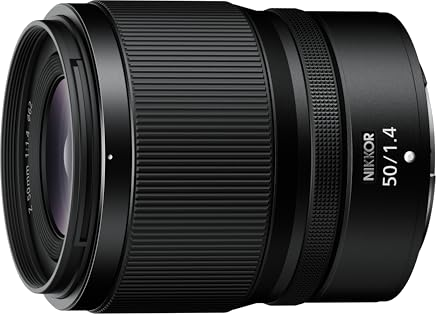
Nikon · 50 mm · f/1.4
Scores combine our editorial testing with published lab data.
General | |
|---|---|
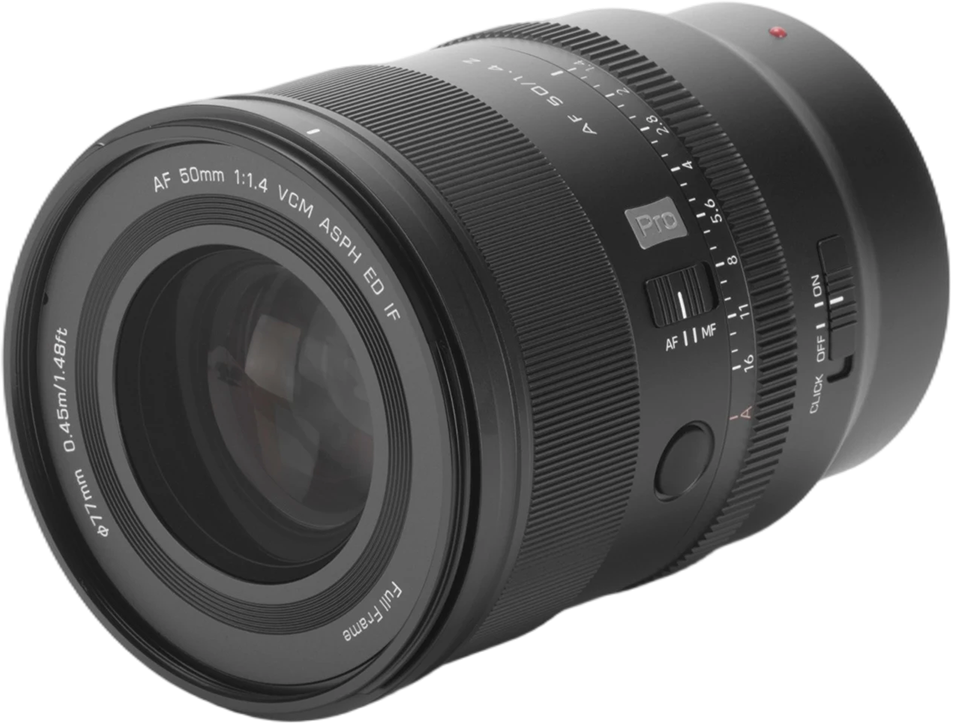
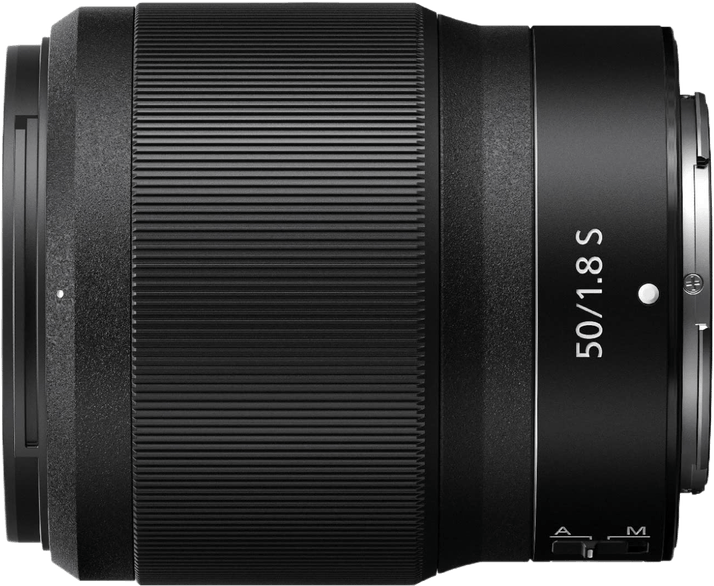
About This LensThe Nikon Z 50mm f/1.4 is a standard prime for Nikon Z full-frame cameras, introduced in 2024. Its fixed view suits portraits, street scenes and everyday interiors. Check whether that framing fits your intended subjects, especially where walls or barriers limit movement. The f/1.4 maximum aperture is the main draw for dim rooms and evening light. One focal length means changing position to adjust framing. This can suit a deliberate approach to family gatherings or travel. If subjects move through a wide range of distances, consider how you will cover them. | |
| Brand | Nikon |
| Release Year | 2024 |
Production Status ⓘCurrent status of lens manufacturing (e.g., in production, discontinued). |  In Production In Production |
Lens Mount ⓘThe lens mount will tell you what type of lens range you can fit onto the camera body. Often the same camera company will have different lens ranges for different cameras. | Nikon Z |
System ⓘIndicates which camera system the lens is designed to attach to. | Nikon Z |
Maximum Format ⓘLargest sensor size compatible with the lens. |  Full Frame Full Frame |
Physical64/100 | |
About the BuildThe lens weighs 14.8 oz (420 g), a moderate weight for daily handheld shooting. The body measures 2.93 in (74.5 mm) across and 3.41 in (86.5 mm) long. A screw-in filter must match the 62mm thread on the front. A polarizer there can cut glare in outdoor portrait and street work. | |
| Lens Weight | 420 g |
Lens Diameter ⓘWidth of the lens at its widest point | 74.5 mm |
Lens Length ⓘHow long the lens is from front to back. | 86.5 mm |
Front Filter Compatible ⓘSome lenses are compatible with front filters, some are compatible with back filters and some are compatible with both. Front filters are usually more convenient to add and remove. |  Yes Yes |
Front Filter Size ⓘDiameter of attachable filters. | 62 mm |
Optics87/100 | |
About the OpticsOn full frame, 50mm gives a standard view for people and everyday scenes. How much fits depends on where you stand. Moving closer makes the subject larger and changes perspective, with near features becoming larger relative to the background. Check the borders for distractions after changing position. The f/1.4 maximum aperture admits more light than a smaller opening. At a given shutter speed, it can allow a lower ISO indoors or at dusk. Available light still determines the exposure settings needed. A close subject can stand out against a soft background when there is enough space behind it. At close range, depth of field can be shallow with the aperture wide open. Focus on the important detail, such as an eye. Stop down when more depth is needed for a group, then check whether the resulting shutter speed is suitable for the people in it. Closest focus is 1.2 ft (37 cm), measured from the sensor, with 0.17x maximum magnification. This range can help with meals, flowers and objects on a table. Leave space ahead of the lens for light, and check that the camera does not shade the subject. | |
Focal Range ⓘShortest to longest focal length of the lens (zoom range start - end ) | 50 mm |
Aperture Range ⓘLargest aperture at the lens's shortest focal length to longest focal length (aperture range start - end) | 1.4 |
| Focal Length Angle of View | 47° |
Flange Focal Distance ⓘDistance from lens mount to sensor. | 16 mm |
Diaphragm Type ⓘStructure and design of the aperture |  Automatic Automatic |
Blades ⓘNumber of diaphragm blades in aperture | 9020 |
Zoom Lens ⓘZoom allows you to vary the focal length, change between long shots and close-ups | No |
Closest Focusing Distance ⓘMinimum distance for a subject to be in focus. | 37 cm01500 |
Maximum Magnification ⓘLargest size a subject can be reproduced | 0.17x |
| Autofocus Mode |  Yes Yes |
| Manual Mode |  Yes Yes |
| Manual Focusing Ring |  Yes Yes |
Features32/100 | |
About the FeaturesThere is no image stabilisation in the lens. A camera with body stabilisation can help with shake. Firm support is useful for long exposures of still scenes, but a moving person can continue to blur. Choose shutter speed for the subject as well as your own hold. Weather sealing is present against dust and moisture. That supports shooting on dusty streets or in damp evening air, though it is not a promise for heavy rain. Remove loose particles before wiping the front glass. Check for fingerprints when photographing towards a bright lamp or window. Keep the front capped during transport and dry the exterior before storage. | |
Weather Sealing ⓘWeather sealing capabilities will give you more confidence when shooting in unfavourable conditions. |  Yes Yes |
Fluorine Coating ⓘCoating to repel water and oil from lens elements. | No |
| Built In Lens Hood | No |
| Lens Hood Type |  Petal Petal |
Teleconverter ⓘA teleconverter (extender) is an extra piece of equipment that fits between the lens and the camera body to enhance magnification | No |
| Image Stabilization | No |
Construction38/100 | |
About the ConstructionInside are 10 elements in 7 groups, including one aspherical element. Aspherical surfaces have a special shape that helps correct optical faults, including distortion, which can make straight edges appear curved. Focusing is internal, so the barrel keeps a fixed length while you focus. | |
Elements ⓘLens elements refer to individual pieces of glass within the lens. | 10 |
| Groups | 7 |
Aspherical Elements ⓘThe number of aspherical lens elements which can help correct aberrations such as spherical aberration. | 1 |
Bi Aspherical Elements ⓘElements with two non-spherical surfaces | 0 |
Low Dispersion ⓘElements that reduce chromatic aberration | 0 |
Super Low Dispersion ⓘAdvanced elements further reducing chromatic aberration | 0 |
CA Reduction ⓘBuilt-in features to reduce chromatic aberration | 0 |
Internal Focusing ⓘInternal Focusing means that the lens does not change in size during focusing, and the front element does not rotate. |  Yes Yes |