
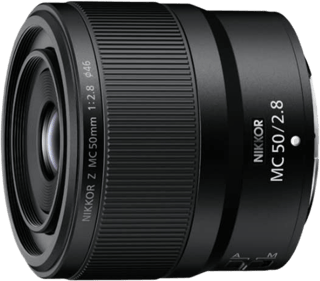
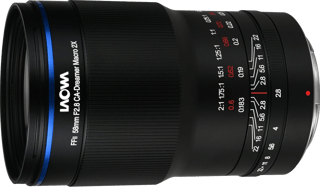
Nikon NIKKOR Z MC 50mm F/2.8 versus Laowa 58mm f/2.8 2X Ultra Macro APO
58 mm vs 50 mm · 2× vs 1× close-up reach · Manual focus instead of autofocus
Nikon · 50 mm · f/2.8
This lens score is calculated from published specifications.
General | |
|---|---|
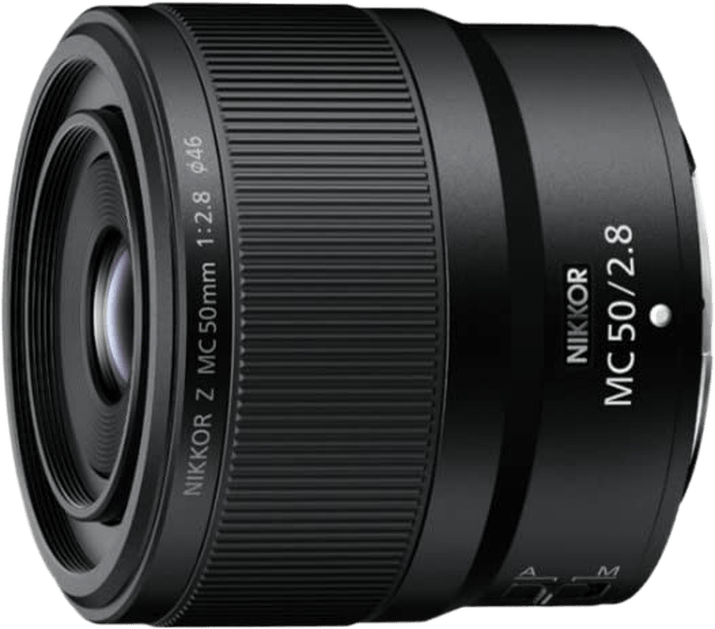
About This LensNikon launched this Z-mount prime in 2021, and it remains in production. It covers full frame, and the fixed 50mm view suits everyday subjects such as portraits, street scenes and food. Its strength is close focusing. The lens reaches 1x magnification, so it fills the frame with flowers, jewellery and product details. That makes it a good choice for anyone who wants one light lens for daily pictures and small subjects. The trade-off is the f/2.8 maximum aperture, which is smaller than faster 50mm lenses offer. | |
| Brand | Nikon |
| Release Year | 2021 |
Production Status ⓘCurrent status of lens manufacturing (e.g., in production, discontinued). |  In Production |
Lens Mount ⓘThe lens mount will tell you what type of lens range you can fit onto the camera body. Often the same camera company will have different lens ranges for different cameras. | Nikon Z |
System ⓘIndicates which camera system the lens is designed to attach to. | Nikon Z |
Maximum Format ⓘLargest sensor size compatible with the lens. |  Full Frame |
Physical64/100 | |
About the BuildAt 9.2 oz (260 g) and 2.6 in (66 mm) long, this lens is easy to carry and keeps the camera discreet. The front takes 46mm screw-in filters directly, so any polariser or ND filter must match that thread. A polariser can tame glare on wet leaves, a common close-up subject. | |
| Lens Weight | 260 g |
Lens Diameter ⓘWidth of the lens at its widest point | 74.5 mm |
Lens Length ⓘHow long the lens is from front to back. | 66 mm |
Front Filter Compatible ⓘSome lenses are compatible with front filters, some are compatible with back filters and some are compatible with both. Front filters are usually more convenient to add and remove. |  Yes |
Front Filter Size ⓘDiameter of attachable filters. | 46 mm |
Optics82/100 | |
About the OpticsThe 50mm focal length gives a familiar, natural perspective. It frames portraits, food and street scenes much as your eye sees them. With no zoom, you frame by moving closer or stepping back. That pace suits deliberate work, where your foot position also changes the background behind a small subject. F/2.8 is not a wide aperture for a 50mm prime. It still separates a subject from its background at portrait distance, and it copes well outdoors. Indoors you will often raise ISO or steady the camera on a support. The lens focuses to 0.5 ft (16 cm). Its magnification reaches 1x, rendering a coin or a stamp at full image size. At 1x the depth of field is extremely shallow, so focusing must be precise, and stopping down brings more of the subject into focus. The short working distance can leave the lens shading your subject, and it may disturb live insects. Nine aperture blades help the opening stay roughly circular when stopped down. That keeps out-of-focus highlights soft in close-up backgrounds. The Optics score on this site is 82. | |
Focal Range ⓘShortest to longest focal length of the lens (zoom range start - end ) | 50 mm |
Aperture Range ⓘLargest aperture at the lens's shortest focal length to longest focal length (aperture range start - end) | 2.8 |
| Focal Length Angle of View | 46.8° |
Flange Focal Distance ⓘDistance from lens mount to sensor. | 16 mm |
Diaphragm Type ⓘStructure and design of the aperture |  Automatic |
Blades ⓘNumber of diaphragm blades in aperture | 9020 |
Zoom Lens ⓘZoom allows you to vary the focal length, change between long shots and close-ups | No |
Closest Focusing Distance ⓘMinimum distance for a subject to be in focus. | 16 cm01500 |
Maximum Magnification ⓘLargest size a subject can be reproduced | 1x |
| Autofocus Mode |  Yes |
| Manual Mode |  Yes |
| Manual Focusing Ring |  Yes |
Features52/100 | |
About the FeaturesThe lens is weather sealed, so dust and light rain are less of a worry. That suits garden and woodland work, where pollen and damp leaves are common. A fluorine coating sits on the front element. It helps water and dust slide off, and it makes fingerprints easier to wipe away. That saves time when you work close to soil and petals. There is no in-lens stabilisation, so steady handheld shots depend on your camera body. At 50mm this rarely restricts daylight work. At high magnification, though, every small movement is visible, so use a firm grip or a support. For tripod work the gap costs nothing, because the camera is already steady. | |
Weather Sealing ⓘWeather sealing capabilities will give you more confidence when shooting in unfavourable conditions. |  Yes |
Fluorine Coating ⓘCoating to repel water and oil from lens elements. |  Yes |
| Built In Lens Hood | No |
| Lens Hood Type |  Round |
Teleconverter ⓘA teleconverter (extender) is an extra piece of equipment that fits between the lens and the camera body to enhance magnification | No |
| Image Stabilization | No |
Construction31/100 | |
About the ConstructionThe design includes aspherical elements and low-dispersion glass. Aspherical surfaces help correct distortion and spherical aberration. That matters here because distortion can curve the straight edges of books, labels or artwork in close frames. Low-dispersion glass helps reduce chromatic aberration, which shows as coloured fringes along high-contrast edges such as water droplets or shiny metal. | |
Elements ⓘLens elements refer to individual pieces of glass within the lens. | 10 |
| Groups | 7 |
Aspherical Elements ⓘThe number of aspherical lens elements which can help correct aberrations such as spherical aberration. | 1 |
Bi Aspherical Elements ⓘElements with two non-spherical surfaces | 0 |
Low Dispersion ⓘElements that reduce chromatic aberration | 1 |
Super Low Dispersion ⓘAdvanced elements further reducing chromatic aberration | 0 |
CA Reduction ⓘBuilt-in features to reduce chromatic aberration | 0 |
Internal Focusing ⓘInternal Focusing means that the lens does not change in size during focusing, and the front element does not rotate. | No |
58 mm vs 50 mm · 2× vs 1× close-up reach · Manual focus instead of autofocus
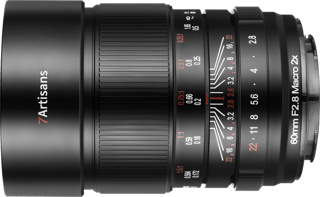
60 mm vs 50 mm · 2× vs 1× close-up reach · Manual focus instead of autofocus