
Other Brand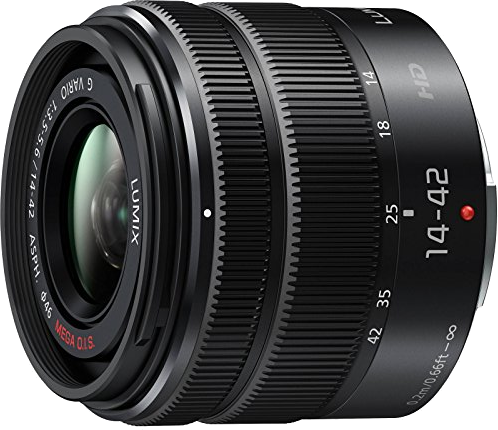
Panasonic LUMIX G VARIO 14-42mm f/3.5-5.6 II ASPH. MEGA O.I.S. (H-FS1442A)
14–42 mm instead of 12–45 mm · f/3.5–5.6 instead of f/4
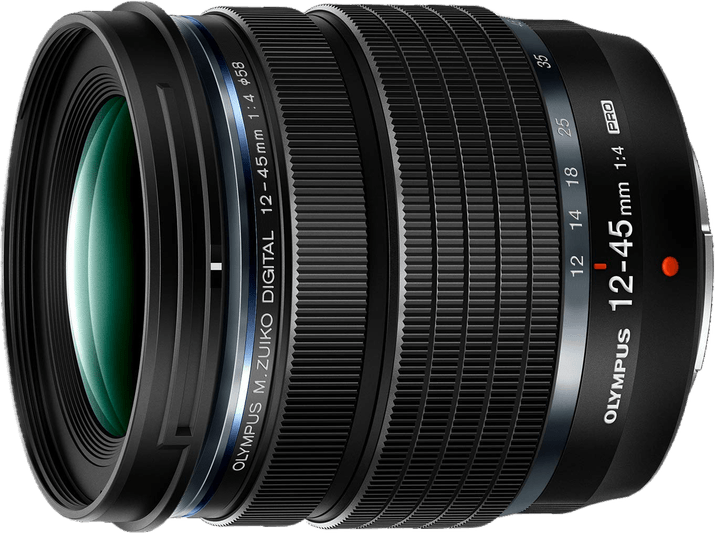
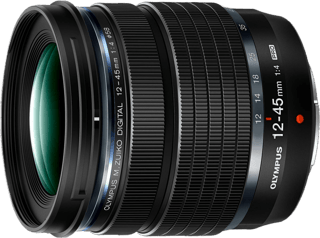
OM System · 12–45 mm · f/4 · PRO
This lens score is calculated from published specifications.
General | |
|---|---|
About This LensThis OM System zoom, released in 2020, covers 12–45mm on Micro Four Thirds. That span runs from a wide view of a street scene to a short telephoto for people, so it suits travel and everyday photography from one lens. The main trade-off is the f/4 maximum aperture. It narrows your options in dim light and softens the background-blur effect at portraits. Photographers who carry one lens all day, from city streets to mountain trails, are the natural audience. Its light weight and sealing make it a practical choice for that kind of travel. | |
| Brand | OM System |
| Release Year | 2020 |
Pro Branding ⓘSpecific branding codes used for professional-tier lenses. | PRO |
Lens Mount ⓘThe lens mount will tell you what type of lens range you can fit onto the camera body. Often the same camera company will have different lens ranges for different cameras. | Micro Four Thirds |
System ⓘIndicates which camera system the lens is designed to attach to. | Micro Four Thirds |
Maximum Format ⓘLargest sensor size compatible with the lens. | Micro Four Thirds |
Physical100/100 | |
About the BuildAt 9 oz (254 g), 2.5 in (63.4 mm) wide and 2.76 in (70 mm) long, the lens adds little weight to a kit. A 58mm screw-in filter threads directly onto the front, a common size shared with many lenses. | |
| Lens Weight | 254 g |
Lens Diameter ⓘWidth of the lens at its widest point | 63.4 mm |
Lens Length ⓘHow long the lens is from front to back. | 70 mm |
Front Filter Compatible ⓘSome lenses are compatible with front filters, some are compatible with back filters and some are compatible with both. Front filters are usually more convenient to add and remove. |  Yes |
Front Filter Size ⓘDiameter of attachable filters. | 58 mm |
Optics67/100 | |
About the OpticsThe 12mm end suits tight interiors, architecture and broad landscapes, where it takes in whole rooms and skies. At 45mm you get a short telephoto that frames one person rather than the crowd. Between those points, the lens covers most everyday framings without swapping. The maximum aperture stays at f/4 across the whole zoom, so exposure settings carry over at any focal length. That consistency matters when you zoom mid-shoot, moving from a wide scene to a candid portrait. That f/4 limit is the main optical constraint. On this format it keeps generous depth of field, which helps landscape work. For portraits at 45mm you can still blur a background when you stand close, but the effect is gentler than a faster lens gives. Indoors after dark, plan on raising ISO. Closest focusing is 0.4 ft (12 cm), close enough for food, flowers and small products. Maximum magnification is 0.25x, so a flower head fills a good part of the frame. Our optics score for this lens is 67/100. | |
Focal Range ⓘShortest to longest focal length of the lens (zoom range start - end ) | 12–45 mm |
Aperture Range ⓘLargest aperture at the lens's shortest focal length to longest focal length (aperture range start - end) | 4 |
| Focal Length Angle of View | 84°–27° |
Flange Focal Distance ⓘDistance from lens mount to sensor. | 19.25 mm |
Diaphragm Type ⓘStructure and design of the aperture |  Automatic |
Blades ⓘNumber of diaphragm blades in aperture | 7020 |
Zoom Lens ⓘZoom allows you to vary the focal length, change between long shots and close-ups |  Yes |
Zoom Mechanism ⓘSystem enabling zoom function |  Manual |
Zoom Ring ⓘIf zooming is adjusted using a zoom ring |  Yes |
Zoom Type ⓘThe design or approach to zooming |  Rotary |
Closest Focusing Distance ⓘMinimum distance for a subject to be in focus. | 12 cm01500 |
Maximum Magnification ⓘLargest size a subject can be reproduced | 0.25x |
| Autofocus Mode |  Yes |
| Manual Mode |  Yes |
| Manual Focusing Ring |  Yes |
Features32/100 | |
About the FeaturesSealing against dust and moisture runs through the construction. Drizzle on a harbor walk or dust on a trail need not end the shoot. That suits coastal and upland days where weather changes fast. The lens has no built-in stabilization, so handheld work in low light depends on the camera body or a support such as a tripod. At 45mm in fading light, that support matters most. No zoom lock is provided, and the front element carries no fluorine coating, so water and oil will not bead off the glass. Keep a cloth handy in damp weather. Our features score is 32/100. | |
Weather Sealing ⓘWeather sealing capabilities will give you more confidence when shooting in unfavourable conditions. |  Yes |
Fluorine Coating ⓘCoating to repel water and oil from lens elements. | No |
| Built In Lens Hood | No |
| Lens Hood Type |  Petal |
Zoom Lock ⓘZoom lock allows the zoom ring to be locked at the desired focal length | No |
Teleconverter ⓘA teleconverter (extender) is an extra piece of equipment that fits between the lens and the camera body to enhance magnification | No |
| Image Stabilization | No |
Construction69/100 | |
About the ConstructionTwo aspherical elements, one of them bi-aspherical, help correct distortion and spherical aberration, which matters most at the 12mm end where straight walls can bow. Two low-dispersion elements help reduce chromatic aberration, easing the colour fringes that can appear along backlit branches and window frames. Focusing is internal, so the barrel does not extend as you focus, keeping a steady working length for close and distant frames. Our construction score is 69/100. | |
Elements ⓘLens elements refer to individual pieces of glass within the lens. | 12 |
| Groups | 9 |
Aspherical Elements ⓘThe number of aspherical lens elements which can help correct aberrations such as spherical aberration. | 2 |
Bi Aspherical Elements ⓘElements with two non-spherical surfaces | 1 |
Low Dispersion ⓘElements that reduce chromatic aberration | 2 |
Super Low Dispersion ⓘAdvanced elements further reducing chromatic aberration | 0 |
CA Reduction ⓘBuilt-in features to reduce chromatic aberration | 0 |
Internal Focusing ⓘInternal Focusing means that the lens does not change in size during focusing, and the front element does not rotate. |  Yes |
14–42 mm instead of 12–45 mm · f/3.5–5.6 instead of f/4
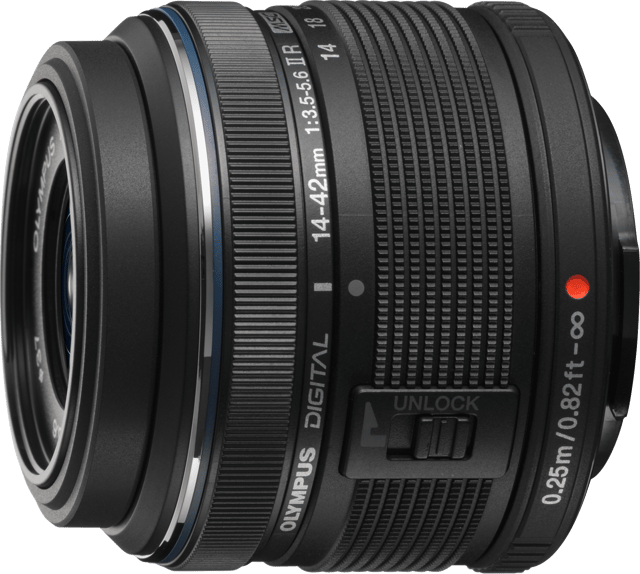
14–42 mm instead of 12–45 mm · f/3.5–5.6 instead of f/4
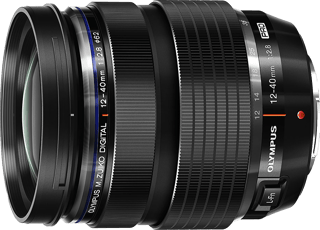
12–40 mm vs 12–45 mm · f/2.8 vs f/4 · 0.3× vs 0.25× close-up reach
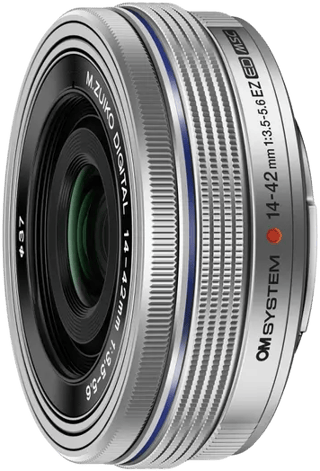
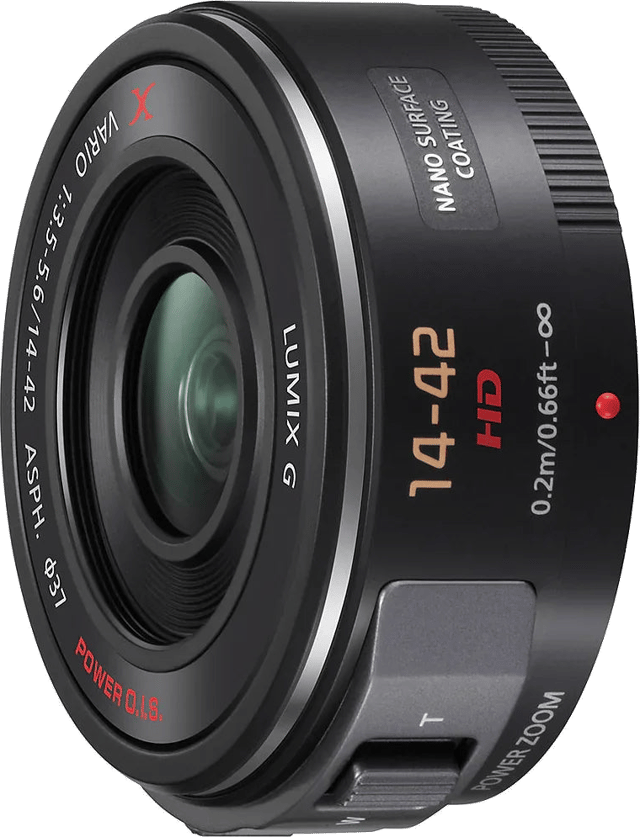
14–42 mm vs 12–45 mm · f/3.5 vs f/4 · 93 g vs 254 g
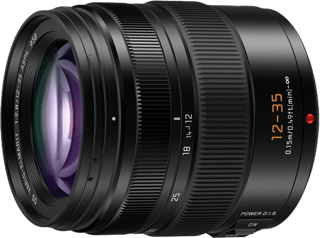
12–35 mm vs 12–45 mm · f/2.8 vs f/4 · Adds lens stabilization