
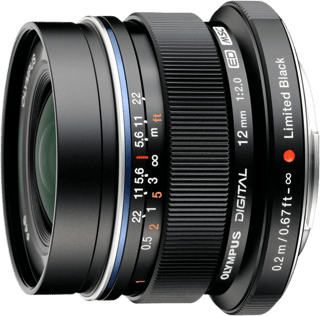
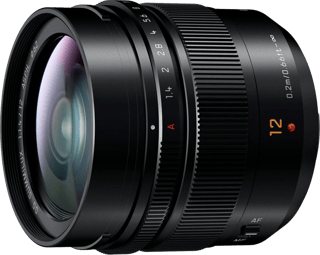
OM System M.Zuiko Digital ED 12mm f/2.0 versus Panasonic LUMIX G Series LEICA 12mm f/1.4
f/1.4 vs f/2 · 0.1× vs 0.14× close-up reach · 335 g vs 130 g
OM System · 12 mm · f/2
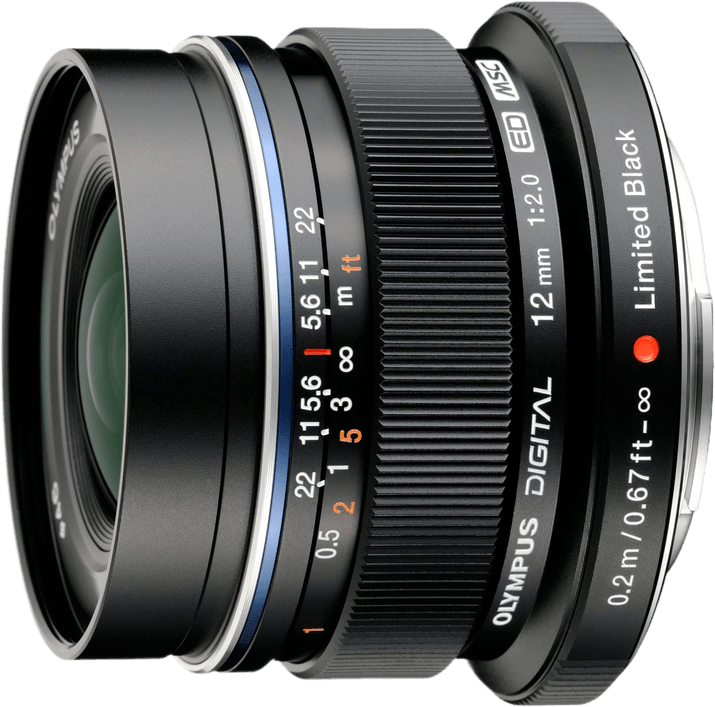
This lens score is calculated from published specifications.
General | |
|---|---|
About This LensThis OM System prime wide angle suits architecture, street scenes, tight interiors and landscape work on Micro Four Thirds cameras. The single 12mm focal length keeps framing expansive. You control composition by moving yourself, since the lens cannot zoom. A bright f/2.0 maximum aperture backs up that indoor use. Travel and documentary shooters who pack light will also like the small footprint. The design dates from 2011, so this is an older lens. The main trade-off is the lack of built-in stabilization, which matters for handheld work in dim rooms. | |
| Brand | OM System |
| Release Year | 2011 |
Lens Mount ⓘThe lens mount will tell you what type of lens range you can fit onto the camera body. Often the same camera company will have different lens ranges for different cameras. | Micro Four Thirds |
System ⓘIndicates which camera system the lens is designed to attach to. | Micro Four Thirds |
Maximum Format ⓘLargest sensor size compatible with the lens. | Micro Four Thirds |
Physical64/100 | |
About the BuildAt 4.6 oz (130 g), this lens is very light, so it suits long days of walking with a wide angle. The 46mm front thread takes screw-in filters directly, so a polariser for skies or an ND filter for long exposures needs no adapter. | |
| Lens Weight | 130 g |
Lens Diameter ⓘWidth of the lens at its widest point | 56 mm |
Lens Length ⓘHow long the lens is from front to back. | 43 mm |
Front Filter Compatible ⓘSome lenses are compatible with front filters, some are compatible with back filters and some are compatible with both. Front filters are usually more convenient to add and remove. |  Yes |
Front Filter Size ⓘDiameter of attachable filters. | 46 mm |
Optics78/100 | |
About the Optics12mm gives an expansive framing on Micro Four Thirds. It fits whole buildings, narrow streets and small rooms where you cannot step back. Courtyards and cafés are its natural home. Filling the frame still means working close, which stretches the space between near and far objects. That suits dramatic interiors and foreground-heavy landscapes, though distant subjects appear small. The f/2.0 maximum aperture gathers plenty of light. Indoors it helps keep shutter speeds usable without a tripod, and at dusk it reduces the need for high ISO settings. Wide open, depth of field stays generous at 12mm, so focus placement matters less than at longer focal lengths. Stopped down, it trades brightness for extra depth in landscapes. Close focusing at 0.7 ft (20 cm) lets you set a foreground element near the camera. A door frame or paving lines can anchor the frame while the whole scene stays in view. Seven aperture blades shape out-of-focus highlights at narrower settings. The single focal length is the main constraint. When 12mm is too wide, you crop or change lenses. | |
Focal Range ⓘShortest to longest focal length of the lens (zoom range start - end ) | 12 mm |
Aperture Range ⓘLargest aperture at the lens's shortest focal length to longest focal length (aperture range start - end) | 2 |
| Focal Length Angle of View | 84° |
Flange Focal Distance ⓘDistance from lens mount to sensor. | 19.25 mm |
Diaphragm Type ⓘStructure and design of the aperture |  Automatic |
Blades ⓘNumber of diaphragm blades in aperture | 7020 |
Zoom Lens ⓘZoom allows you to vary the focal length, change between long shots and close-ups | No |
Closest Focusing Distance ⓘMinimum distance for a subject to be in focus. | 20 cm01500 |
Maximum Magnification ⓘLargest size a subject can be reproduced | 0.14x |
| Autofocus Mode |  Yes |
| Manual Mode |  Yes |
| Manual Focusing Ring |  Yes |
Features32/100 | |
About the FeaturesWeather sealing is the standout extra. It guards the lens against dust and rain, useful for a wide angle carried on outdoor landscape and street days. You can keep shooting through a shower rather than sheltering the camera. Our features score for this lens is 32 out of 100. There is no built-in image stabilization. The bright f/2.0 aperture and the short 12mm focal length cover part of that need. Shake shows less at wide angles than on a telephoto. Handheld video feels the gap most, since shake reads clearly in footage. There is no fluorine coating on the front glass either. Dust and water droplets therefore need more careful wiping after a wet shoot. | |
Weather Sealing ⓘWeather sealing capabilities will give you more confidence when shooting in unfavourable conditions. |  Yes |
Fluorine Coating ⓘCoating to repel water and oil from lens elements. | No |
| Lens Hood Type |  Rectangular |
Teleconverter ⓘA teleconverter (extender) is an extra piece of equipment that fits between the lens and the camera body to enhance magnification | No |
| Image Stabilization | No |
Construction54/100 | |
About the ConstructionTwo aspherical elements are shaped to help correct distortion, where straight edges such as building lines can appear curved. One low-dispersion element helps reduce chromatic aberration, the coloured fringes that show up along high-contrast edges. Both designs suit this lens's architectural and street subjects. Focusing also happens inside the barrel, so the lens keeps its length as you focus. | |
Elements ⓘLens elements refer to individual pieces of glass within the lens. | 11 |
| Groups | 8 |
Aspherical Elements ⓘThe number of aspherical lens elements which can help correct aberrations such as spherical aberration. | 2 |
Bi Aspherical Elements ⓘElements with two non-spherical surfaces | 0 |
Low Dispersion ⓘElements that reduce chromatic aberration | 1 |
Super Low Dispersion ⓘAdvanced elements further reducing chromatic aberration | 0 |
CA Reduction ⓘBuilt-in features to reduce chromatic aberration | 0 |
Internal Focusing ⓘInternal Focusing means that the lens does not change in size during focusing, and the front element does not rotate. |  Yes |
f/1.4 vs f/2 · 0.1× vs 0.14× close-up reach · 335 g vs 130 g