
Wider View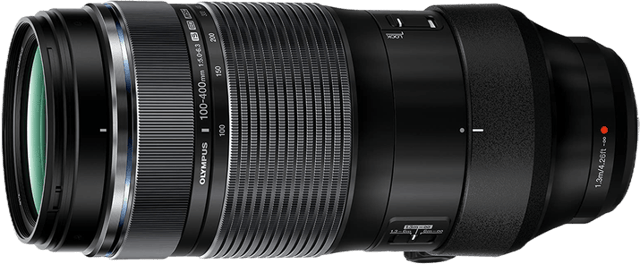
OM System M.Zuiko Digital ED 100-400mm f/5.0-6.3 IS
100–400 mm instead of 150–400 mm
OM System · 150–400 mm · f/4.5 · PRO · Image Stabilization
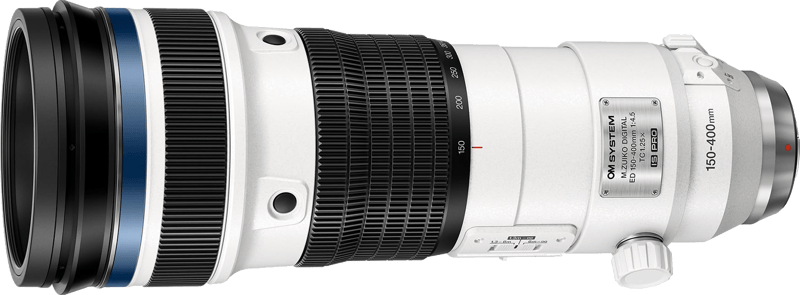
This lens score is calculated from published specifications.
General | |
|---|---|
About This LensThe M.Zuiko Digital ED 150-400mm f/4.5 TC1.25X IS PRO is a super-telephoto zoom for Micro Four Thirds cameras. On that format, the 150–400mm range acts like a far longer lens on a full-frame camera. It suits wild birds, distant mammals and outdoor sport, where you often cannot move closer. OM System introduced the lens in 2021, and the PRO name places it in the company's professional line. The main trade-off is bulk. This is a heavy lens for photographers who shoot distant subjects often, rather than one for occasional use. | |
| Brand | OM System |
| Release Year | 2021 |
Pro Branding ⓘSpecific branding codes used for professional-tier lenses. | PRO |
Lens Mount ⓘThe lens mount will tell you what type of lens range you can fit onto the camera body. Often the same camera company will have different lens ranges for different cameras. | Micro Four Thirds |
System ⓘIndicates which camera system the lens is designed to attach to. | Micro Four Thirds |
Maximum Format ⓘLargest sensor size compatible with the lens. | Micro Four Thirds |
Physical99/100 | |
About the BuildAt 4 lb 2.1 oz (1875 g), the lens needs a hand under the barrel or a monopod on long sessions. It measures 12.37 in (314.3 mm) long and 4.56 in (115.8 mm) across the barrel. The front takes screw-in filters, which must match the 95mm thread. Our physical specification score is 99. | |
| Lens Weight | 1875 g |
Lens Diameter ⓘWidth of the lens at its widest point | 115.8 mm |
Lens Length ⓘHow long the lens is from front to back. | 314.3 mm |
Front Filter Compatible ⓘSome lenses are compatible with front filters, some are compatible with back filters and some are compatible with both. Front filters are usually more convenient to add and remove. |  Yes |
Front Filter Size ⓘDiameter of attachable filters. | 95 mm |
Optics69/100 | |
About the OpticsThe 150–400mm range covers the framing choices that wildlife and sport work demands. At 150mm you can include habitat around a resting animal. At 400mm a single bird can fill the frame. That framing flexibility matters when you cannot change your position, as is often the case from a hide or a touchline. The f/4.5 maximum is constant across the zoom, so the light reaching the sensor does not change as you zoom. In daylight that keeps shutter speeds usable at 400mm. In early morning shade you may need a higher ISO instead. Nine blades form the aperture, which shapes out-of-focus highlights when you stop down. Close focusing works down to 4.3 ft (130 cm), tight enough to frame a subject at a feeder or waterhole without disturbing it. Maximum magnification reaches 0.29x, which makes a small subject large in the frame. Long focal lengths keep depth of field thin, which helps a subject stand apart from grass or water behind it. That thin zone also rewards precise focus, for example on a bird's head rather than its wing. Our optics specification score is 69. | |
Focal Range ⓘShortest to longest focal length of the lens (zoom range start - end ) | 150–400 mm |
Aperture Range ⓘLargest aperture at the lens's shortest focal length to longest focal length (aperture range start - end) | 4.5 |
| Focal Length Angle of View | 8.2°–3.1° |
Flange Focal Distance ⓘDistance from lens mount to sensor. | 19.25 mm |
Diaphragm Type ⓘStructure and design of the aperture |  Automatic |
Blades ⓘNumber of diaphragm blades in aperture | 9020 |
Zoom Lens ⓘZoom allows you to vary the focal length, change between long shots and close-ups |  Yes |
Zoom Mechanism ⓘSystem enabling zoom function |  Manual |
Zoom Ring ⓘIf zooming is adjusted using a zoom ring |  Yes |
Zoom Type ⓘThe design or approach to zooming |  Rotary |
Closest Focusing Distance ⓘMinimum distance for a subject to be in focus. | 130 cm01500 |
Maximum Magnification ⓘLargest size a subject can be reproduced | 0.29x |
| Autofocus Mode |  Yes |
| Manual Mode |  Yes |
| Manual Focusing Ring |  Yes |
Features100/100 | |
About the FeaturesImage stabilisation is built into the lens. At 400mm, a small hand movement blurs a frame, and stabilisation helps reduce that effect. It steadies the camera for handheld frames and for work on a monopod where slight movement still shows. Weather sealing is fitted, which suits the long outdoor sessions this lens invites. A fluorine coating helps water and oil slide off the glass, so the front wipes clean quickly between shots in damp or salty conditions. There is no zoom lock to hold the zoom ring at your chosen focal length during transport. | |
Weather Sealing ⓘWeather sealing capabilities will give you more confidence when shooting in unfavourable conditions. |  Yes |
Fluorine Coating ⓘCoating to repel water and oil from lens elements. |  Yes |
| Built In Lens Hood | No |
| Lens Hood Type |  Round |
Zoom Lock ⓘZoom lock allows the zoom ring to be locked at the desired focal length | No |
Teleconverter ⓘA teleconverter (extender) is an extra piece of equipment that fits between the lens and the camera body to enhance magnification |  Yes |
| Image Stabilization | Yes |
IS Efficiency ⓘIS efficiency refers to the effectiveness of the image stabilization system in compensating for the blurring effects of camera shake, quantified by the number of stops of stabilization it provides. | 8 stops |
Construction59/100 | |
About the ConstructionFour Super ED and three ED elements help reduce chromatic aberration, where colours focus differently and leave coloured fringes along high-contrast edges. Such edges are common in telephoto work, like a bird's outline against a bright sky. One aspherical element helps correct distortion. Internal focusing keeps the working length fixed as you focus. Construction scores 59 out of 100. | |
Elements ⓘLens elements refer to individual pieces of glass within the lens. | 28 |
| Groups | 18 |
Aspherical Elements ⓘThe number of aspherical lens elements which can help correct aberrations such as spherical aberration. | 1 |
Bi Aspherical Elements ⓘElements with two non-spherical surfaces | 0 |
Low Dispersion ⓘElements that reduce chromatic aberration | 3 |
Super Low Dispersion ⓘAdvanced elements further reducing chromatic aberration | 4 |
CA Reduction ⓘBuilt-in features to reduce chromatic aberration | 0 |
Internal Focusing ⓘInternal Focusing means that the lens does not change in size during focusing, and the front element does not rotate. |  Yes |
100–400 mm instead of 150–400 mm
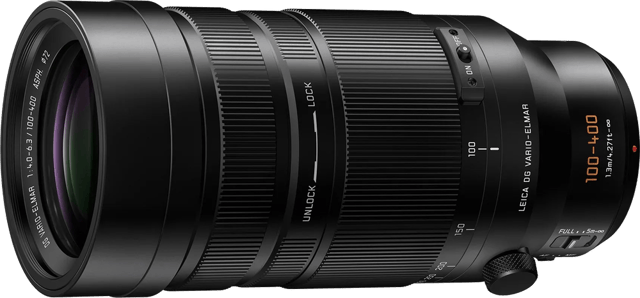
100–400 mm instead of 150–400 mm · f/4–6.3 instead of f/4.5
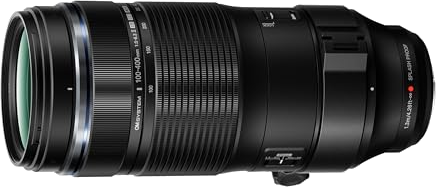
100–400 mm instead of 150–400 mm