
Other Brand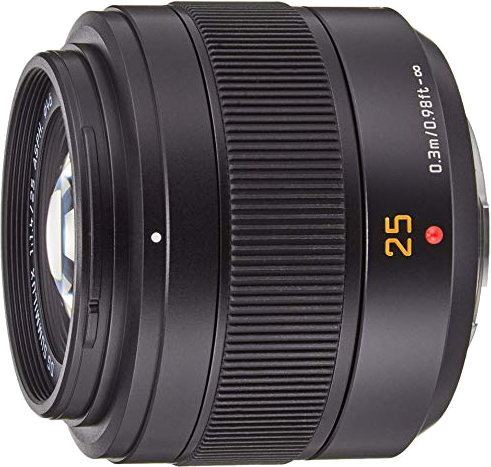
Panasonic LEICA DG SUMMILUX 25mm f/1.4 II ASPH. (H-XA025)
f/1.4 instead of f/1.8
OM System · 25 mm · f/1.8
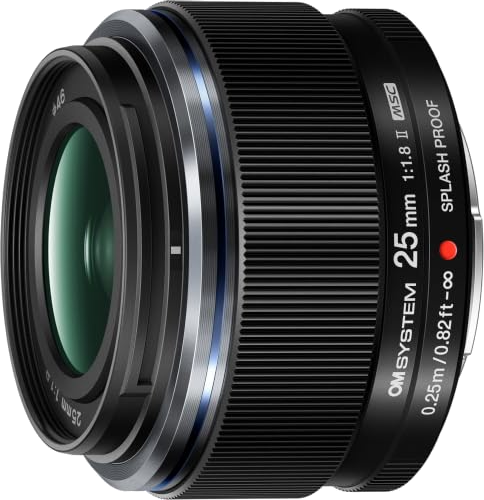
This lens score is calculated from published specifications.
General | |
|---|---|
About This LensThis 2025 prime gives Micro Four Thirds photographers a standard 25mm for everyday work. That angle suits street scenes, markets, travel and relaxed indoor photography, where people appear within their surroundings rather than isolated from them. OM System released this lens in 2025 and lists it as in production. It can serve as a single-lens travel choice when you are happy framing everything at 25mm. The f/1.8 aperture suits dim rooms and evening streets. The trade-off is the fixed focal length: you frame by moving, and the lens has no stabilisation of its own. | |
| Brand | OM System |
| Release Year | 2025 |
Production Status ⓘCurrent status of lens manufacturing (e.g., in production, discontinued). |  In Production |
Version ⓘThe iteration or release number of a particular lens model. | II |
Lens Mount ⓘThe lens mount will tell you what type of lens range you can fit onto the camera body. Often the same camera company will have different lens ranges for different cameras. | Micro Four Thirds |
System ⓘIndicates which camera system the lens is designed to attach to. | Micro Four Thirds |
Maximum Format ⓘLargest sensor size compatible with the lens. | Micro Four Thirds |
Physical64/100 | |
About the BuildAt 5.5 oz (156 g), 2.34 in (59.4 mm) wide and 1.65 in (42 mm) long, this lens adds almost nothing to a bag or a camera. That size makes it easy to keep mounted as a default lens on a compact body. Filters screw directly into the 46mm front thread, so a matching polariser or ND filter fits without adapters. | |
| Lens Weight | 156 g |
Lens Diameter ⓘWidth of the lens at its widest point | 59.4 mm |
Lens Length ⓘHow long the lens is from front to back. | 42 mm |
Front Filter Compatible ⓘSome lenses are compatible with front filters, some are compatible with back filters and some are compatible with both. Front filters are usually more convenient to add and remove. |  Yes |
Front Filter Size ⓘDiameter of attachable filters. | 46 mm |
Optics81/100 | |
About the OpticsOn the Micro Four Thirds format, 25mm gives the standard angle. It records a scene close to the way you saw it, without the stretch of a wide angle or the compression of a telephoto. Streets, café tables and family rooms keep their natural proportions, so it works well for walking-around photography and quick reactions. The f/1.8 maximum aperture earns its keep in weak light. Under street lamps, at a dusk market or inside a restaurant, it holds shutter speeds you can handhold without pushing sensitivity high. This is the payoff for accepting a fixed focal length. Open at f/1.8, the lens also sets a near subject apart from its setting. A portrait made a few feet away keeps the person clear while the background softens, which suits candid and reportage work. Stopped down, depth of field spreads enough for group scenes at ordinary distances. Closest focus sits at 0.8 ft (25 cm), near enough to frame a plate of food or a stall detail without crowding it. The optics specification scores 81 out of 100. | |
Focal Range ⓘShortest to longest focal length of the lens (zoom range start - end ) | 25 mm |
Aperture Range ⓘLargest aperture at the lens's shortest focal length to longest focal length (aperture range start - end) | 1.8 |
| Focal Length Angle of View | 47° |
Flange Focal Distance ⓘDistance from lens mount to sensor. | 19.25 mm |
Diaphragm Type ⓘStructure and design of the aperture |  Automatic |
Blades ⓘNumber of diaphragm blades in aperture | 7020 |
Zoom Lens ⓘZoom allows you to vary the focal length, change between long shots and close-ups | No |
Closest Focusing Distance ⓘMinimum distance for a subject to be in focus. | 25 cm01500 |
Maximum Magnification ⓘLargest size a subject can be reproduced | 0.12x |
| Autofocus Mode |  Yes |
| Manual Mode |  Yes |
| Manual Focusing Ring |  Yes |
Features32/100 | |
About the FeaturesWeather sealing is the main feature here. The sealed body resists dust and moisture, so drizzle over a street market or dust on a dry trail need not end the shoot. Sea spray and sandy ground pose the same hazards in another form. You wipe the barrel and carry on, which suits outdoor work in changeable weather. There is no image stabilisation built in. Handheld stills remain practical in most light, thanks to the 25mm angle and the f/1.8 aperture. Handheld video and long indoor exposures call for a stabilised body or a tripod. The features specification scores 32 out of 100. | |
Weather Sealing ⓘWeather sealing capabilities will give you more confidence when shooting in unfavourable conditions. |  Yes |
Fluorine Coating ⓘCoating to repel water and oil from lens elements. | No |
| Built In Lens Hood | No |
Teleconverter ⓘA teleconverter (extender) is an extra piece of equipment that fits between the lens and the camera body to enhance magnification | No |
| Image Stabilization | No |
Construction38/100 | |
About the ConstructionTwo of the nine elements carry aspherical surfaces. Such surfaces help correct optical faults, including distortion, which can bow straight edges in scenes full of doorframes and window lines. Focusing happens inside the barrel, so the lens holds its length as focus shifts rather than extending toward the subject. | |
Elements ⓘLens elements refer to individual pieces of glass within the lens. | 9 |
| Groups | 7 |
Aspherical Elements ⓘThe number of aspherical lens elements which can help correct aberrations such as spherical aberration. | 2 |
Bi Aspherical Elements ⓘElements with two non-spherical surfaces | 0 |
Low Dispersion ⓘElements that reduce chromatic aberration | 0 |
Super Low Dispersion ⓘAdvanced elements further reducing chromatic aberration | 0 |
CA Reduction ⓘBuilt-in features to reduce chromatic aberration | 0 |
Internal Focusing ⓘInternal Focusing means that the lens does not change in size during focusing, and the front element does not rotate. |  Yes |
f/1.4 instead of f/1.8
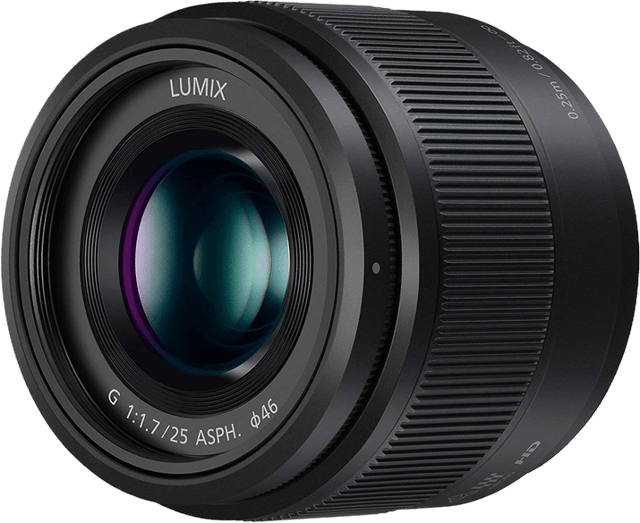
f/1.7 instead of f/1.8
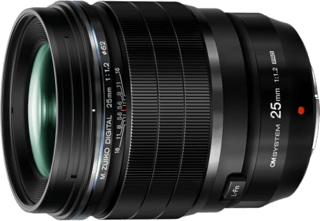
f/1.2 vs f/1.8 · 410 g vs 156 g · Closest focus 30 cm vs 25 cm
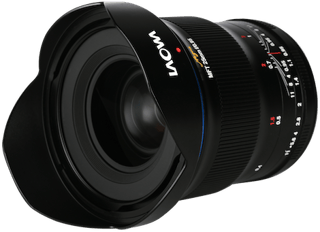
f/0.95 vs f/1.8 · 0.17× vs 0.12× close-up reach · Manual focus instead of autofocus
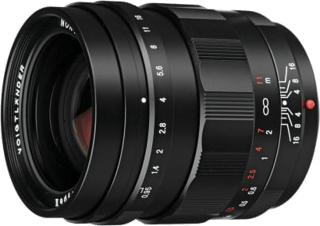
f/0.95 vs f/1.8 · 0.26× vs 0.12× close-up reach · Manual focus instead of autofocus