
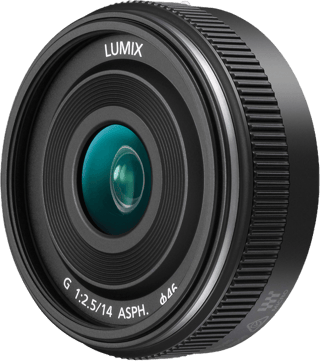
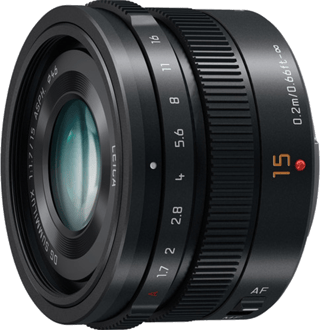
Panasonic LUMIX G 14mm f/2.5 II ASPH. (H-H014A) versus Panasonic LEICA DG SUMMILUX 15mm f/1.7 ASPH. (H-X015)
15 mm vs 14 mm · f/1.7 vs f/2.5 · 115 g vs 55 g
Panasonic · 14 mm · f/2.5
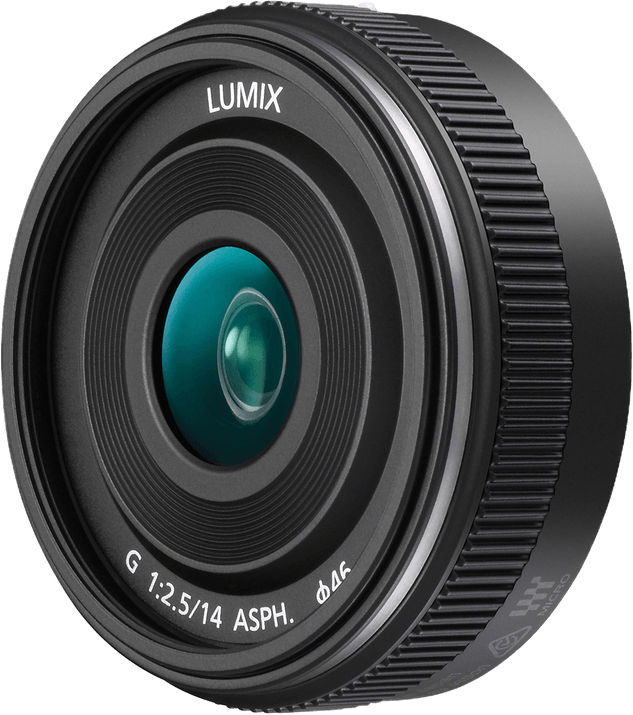
This lens score is calculated from published specifications.
General | |
|---|---|
About This LensThis Panasonic prime fits the Micro Four Thirds mount and gives a wide 14mm view on that format. Panasonic released this second version in 2014, so it is an older design. That framing suits street photography, travel, interiors and landscapes, where context matters more than tight isolation. The size and weight suit anyone who wants a camera that is always ready. The main trade-off is the fixed focal length. You compose by moving closer or stepping back, not by zooming. That pace suits street and travel shooting, where you are already moving. In exchange, the body stays extremely small and light. | |
| Brand | Panasonic |
| Release Year | 2014 |
Version ⓘThe iteration or release number of a particular lens model. | II |
Lens Mount ⓘThe lens mount will tell you what type of lens range you can fit onto the camera body. Often the same camera company will have different lens ranges for different cameras. | Micro Four Thirds |
System ⓘIndicates which camera system the lens is designed to attach to. | Micro Four Thirds |
Maximum Format ⓘLargest sensor size compatible with the lens. | Micro Four Thirds |
Physical64/100 | |
About the BuildThe lens weighs 1.9 oz (55 g) and measures 0.81 in (20.5 mm) long, so it barely changes the shape of a compact body. A 46mm screw-in filter attaches directly to the front thread. | |
| Lens Weight | 55 g |
Lens Length ⓘHow long the lens is from front to back. | 20.5 mm |
Front Filter Compatible ⓘSome lenses are compatible with front filters, some are compatible with back filters and some are compatible with both. Front filters are usually more convenient to add and remove. |  Yes |
Front Filter Size ⓘDiameter of attachable filters. | 46 mm |
Optics77/100 | |
About the OpticsThe 14mm focal length gives a wide view rather than an extreme one, so buildings, streets and open landscapes fit without stepping far back. Near objects appear large while distant ones stay small in the same frame, which gives street pictures a sense of place. It works well as a walking-around lens for city photography. The f/2.5 maximum aperture is moderate for a wide prime. It gathers enough light for dim interiors, restaurants and evening streets while keeping the ISO low. It will not blur a background strongly, though. At this focal length depth of field runs deep, so most of the scene stays sharp at once. Close focus sits at 0.6 ft (18 cm). You can place a foreground detail near the camera and keep the wider scene behind it. That suits layered street frames and small rooms, where near objects give the picture depth. Fixed framing also builds habit. The view is always the same, so you learn where to stand before raising the camera. That habit suits documentary work, where reacting quickly matters more than framing choices. The optics specification scores 77. | |
Focal Range ⓘShortest to longest focal length of the lens (zoom range start - end ) | 14 mm |
Aperture Range ⓘLargest aperture at the lens's shortest focal length to longest focal length (aperture range start - end) | 2.5 |
| Focal Length Angle of View | 75° |
Flange Focal Distance ⓘDistance from lens mount to sensor. | 19.25 mm |
Diaphragm Type ⓘStructure and design of the aperture |  Automatic |
Blades ⓘNumber of diaphragm blades in aperture | 7020 |
Zoom Lens ⓘZoom allows you to vary the focal length, change between long shots and close-ups | No |
Closest Focusing Distance ⓘMinimum distance for a subject to be in focus. | 18 cm01500 |
Maximum Magnification ⓘLargest size a subject can be reproduced | 0.1x |
| Autofocus Mode |  Yes |
| Manual Mode |  Yes |
| Manual Focusing Ring |  Yes |
Features0/100 | |
About the FeaturesThe lens has no built-in image stabilisation. Any stabilisation must come from the camera body instead. Wide 14mm framing also reveals camera shake less than longer focal lengths would, which partly offsets the gap for handheld work. There is no weather sealing, so the lens suits dry street and travel days better than rain, sea spray or heavy dust. Treat damp conditions as a reason to stop and shelter the camera. The lens has no fluorine coating on the front glass. A 46mm protective filter can shield the glass in daily use. | |
Weather Sealing ⓘWeather sealing capabilities will give you more confidence when shooting in unfavourable conditions. | No |
Fluorine Coating ⓘCoating to repel water and oil from lens elements. | No |
| Built In Lens Hood | No |
Teleconverter ⓘA teleconverter (extender) is an extra piece of equipment that fits between the lens and the camera body to enhance magnification | No |
| Image Stabilization | No |
Construction38/100 | |
About the ConstructionSix elements in five groups include three aspherical elements. Aspherical surfaces are specially shaped to help correct optical faults, including distortion and spherical aberration. Distortion can make straight edges appear curved, which matters when buildings and door frames fill a wide frame. The simple layout suits such a short body. The construction specification scores 38. | |
Elements ⓘLens elements refer to individual pieces of glass within the lens. | 6 |
| Groups | 5 |
Aspherical Elements ⓘThe number of aspherical lens elements which can help correct aberrations such as spherical aberration. | 3 |
Bi Aspherical Elements ⓘElements with two non-spherical surfaces | 0 |
Low Dispersion ⓘElements that reduce chromatic aberration | 0 |
Super Low Dispersion ⓘAdvanced elements further reducing chromatic aberration | 0 |
CA Reduction ⓘBuilt-in features to reduce chromatic aberration | 0 |
Internal Focusing ⓘInternal Focusing means that the lens does not change in size during focusing, and the front element does not rotate. |  Yes |
15 mm vs 14 mm · f/1.7 vs f/2.5 · 115 g vs 55 g