
Longer Reach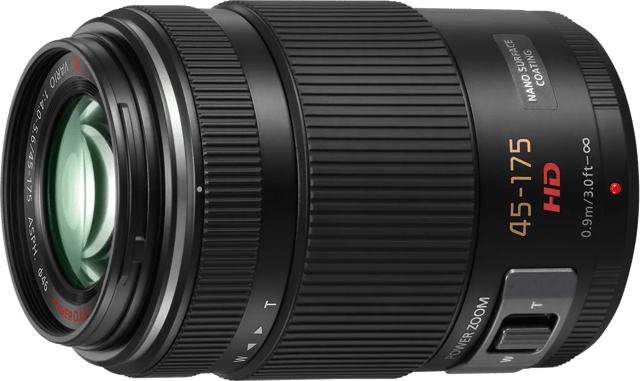
Panasonic LUMIX G X VARIO PZ 45-175mm f/4.0-5.6 ASPH. POWER O.I.S. (H-PS45175)
45–175 mm instead of 45–150 mm
Panasonic · 45–150 mm · f/4–5.6 · Image Stabilization
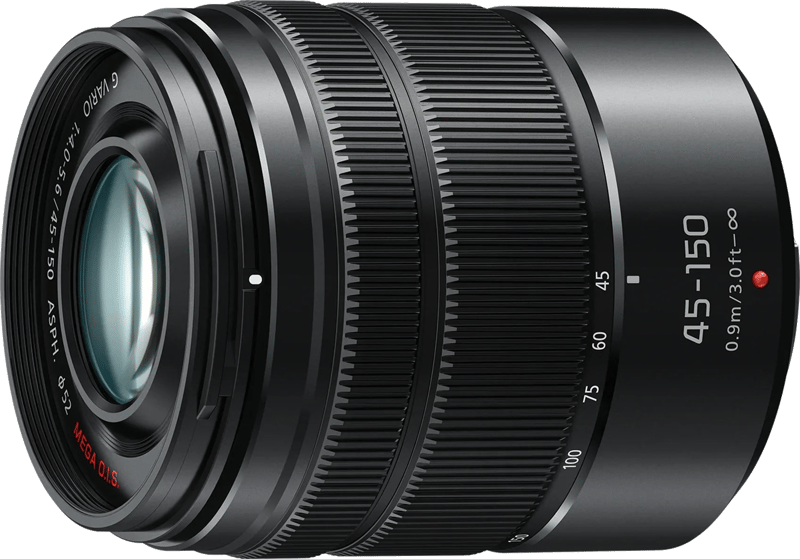
This lens score is calculated from published specifications.
General | |
|---|---|
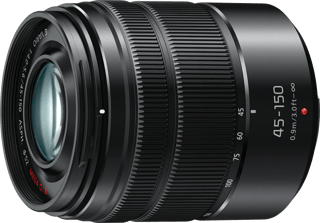
About This LensThis Panasonic telephoto zoom spans 45–150mm on Micro Four Thirds cameras. The long end makes distant subjects its natural territory. Children on a sports field, birds in the park, or performers on a stage all suit 150mm. At 45mm it works for tighter portraits and candids. The lens dates from 2012, so it is an older design. Its main trade-off is light gathering, because the maximum aperture shrinks as you zoom toward 150mm. The light build makes it easy to carry as a second lens alongside a standard zoom. | |
| Brand | Panasonic |
| Release Year | 2012 |
Lens Mount ⓘThe lens mount will tell you what type of lens range you can fit onto the camera body. Often the same camera company will have different lens ranges for different cameras. | Micro Four Thirds |
System ⓘIndicates which camera system the lens is designed to attach to. | Micro Four Thirds |
Maximum Format ⓘLargest sensor size compatible with the lens. | Micro Four Thirds |
Physical64/100 | |
About the BuildAt 7.1 oz (200 g) and 2.87 in (73 mm) long, it adds little weight to a small Micro Four Thirds body. A screw-in filter attaches directly to the 52mm front thread, and any polariser or ND filter must match that size. | |
| Lens Weight | 200 g |
Lens Diameter ⓘWidth of the lens at its widest point | 62 mm |
Lens Length ⓘHow long the lens is from front to back. | 73 mm |
Front Filter Compatible ⓘSome lenses are compatible with front filters, some are compatible with back filters and some are compatible with both. Front filters are usually more convenient to add and remove. |  Yes |
Front Filter Size ⓘDiameter of attachable filters. | 52 mm |
Optics53/100 | |
About the OpticsThe two ends of the zoom serve different framing decisions. At 45mm the lens continues naturally from the long end of a standard zoom, so the step up feels familiar when a subject comes closer. At 150mm it makes distant subjects larger, from wildlife to architectural detail across a street. A rotary zoom ring adjusts framing by hand. The maximum aperture changes as you zoom. It opens to f/4 at 45mm and closes to f/5.6 at 150mm. In daylight this costs little. In dim rooms or at dusk, you will need higher ISO settings or slower shutter speeds. Seven aperture blades shape the rendering of out-of-focus highlights behind a subject. The small aperture also limits background blur at the short end. At 150mm the longer focal length still softens a background enough for a portrait subject to stand out. The effect is strongest with the subject close and the background far behind. Closest focusing distance is 3 ft (90 cm). That suits head-and-shoulder portraits and animals that stay wary of people. You can also shoot across a garden path without crowding the subject. | |
Focal Range ⓘShortest to longest focal length of the lens (zoom range start - end ) | 45–150 mm |
Aperture Range ⓘLargest aperture at the lens's shortest focal length to longest focal length (aperture range start - end) | 4–5.6 |
| Focal Length Angle of View | 27°–8.2° |
Flange Focal Distance ⓘDistance from lens mount to sensor. | 19.25 mm |
Diaphragm Type ⓘStructure and design of the aperture |  Automatic |
Blades ⓘNumber of diaphragm blades in aperture | 7020 |
Zoom Lens ⓘZoom allows you to vary the focal length, change between long shots and close-ups |  Yes |
Zoom Mechanism ⓘSystem enabling zoom function |  Manual |
Zoom Ring ⓘIf zooming is adjusted using a zoom ring |  Yes |
Zoom Type ⓘThe design or approach to zooming |  Rotary |
Closest Focusing Distance ⓘMinimum distance for a subject to be in focus. | 90 cm01500 |
Maximum Magnification ⓘLargest size a subject can be reproduced | 0.17x |
| Autofocus Mode |  Yes |
| Manual Mode |  Yes |
| Manual Focusing Ring |  Yes |
Features15/100 | |
About the FeaturesMEGA O.I.S. is the main feature here. It steadies the camera for handheld shots, helping most at 150mm, where small movements show more in the frame. It counters camera shake, not subject motion, so a running player still needs a fast shutter speed. Because the stabilisation sits in the lens, it also works on camera bodies without stabilisation of their own. Beyond that, the feature list is short. There is no weather sealing, so keep rain and spray off the barrel during outdoor shooting. There is no zoom lock to hold the barrel at a chosen focal length. The features specification scores 15 out of 100 on this page. | |
Weather Sealing ⓘWeather sealing capabilities will give you more confidence when shooting in unfavourable conditions. | No |
Fluorine Coating ⓘCoating to repel water and oil from lens elements. | No |
| Built In Lens Hood | No |
| Lens Hood Type |  Petal |
Zoom Lock ⓘZoom lock allows the zoom ring to be locked at the desired focal length | No |
Teleconverter ⓘA teleconverter (extender) is an extra piece of equipment that fits between the lens and the camera body to enhance magnification | No |
| Image Stabilization | Yes |
IS Efficiency ⓘIS efficiency refers to the effectiveness of the image stabilization system in compensating for the blurring effects of camera shake, quantified by the number of stops of stabilization it provides. | 2.5 stops |
Construction54/100 | |
About the ConstructionTwo aspherical elements use specially shaped surfaces to help correct optical faults, including distortion and spherical aberration. That helps where straight edges matter, such as a fence line behind a portrait subject. One low-dispersion element helps reduce chromatic aberration, which shows as coloured fringes along high-contrast edges like branches against a bright sky at the long end. | |
Elements ⓘLens elements refer to individual pieces of glass within the lens. | 12 |
| Groups | 9 |
Aspherical Elements ⓘThe number of aspherical lens elements which can help correct aberrations such as spherical aberration. | 2 |
Bi Aspherical Elements ⓘElements with two non-spherical surfaces | 0 |
Low Dispersion ⓘElements that reduce chromatic aberration | 1 |
Super Low Dispersion ⓘAdvanced elements further reducing chromatic aberration | 0 |
CA Reduction ⓘBuilt-in features to reduce chromatic aberration | 0 |
Internal Focusing ⓘInternal Focusing means that the lens does not change in size during focusing, and the front element does not rotate. |  Yes |
45–175 mm instead of 45–150 mm
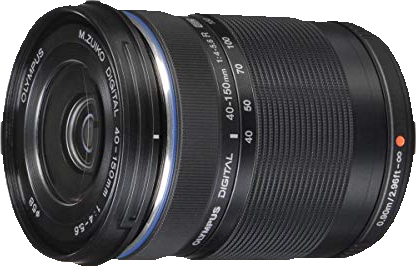
40–150 mm instead of 45–150 mm
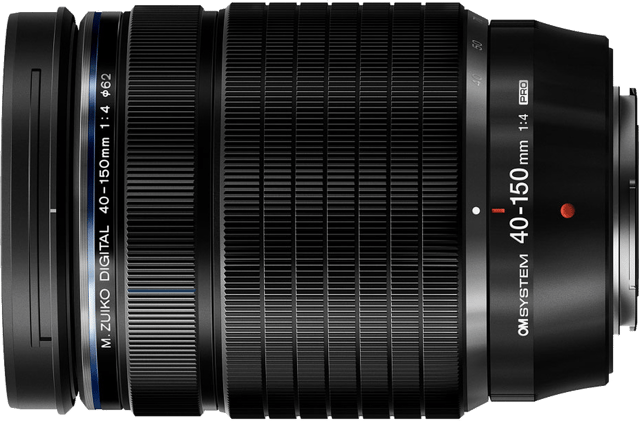
40–150 mm instead of 45–150 mm · f/4 instead of f/4–5.6
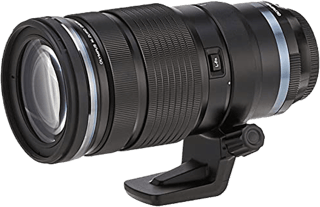
40–150 mm vs 45–150 mm · f/2.8 vs f/4 · 0.21× vs 0.17× close-up reach