
Longer Reach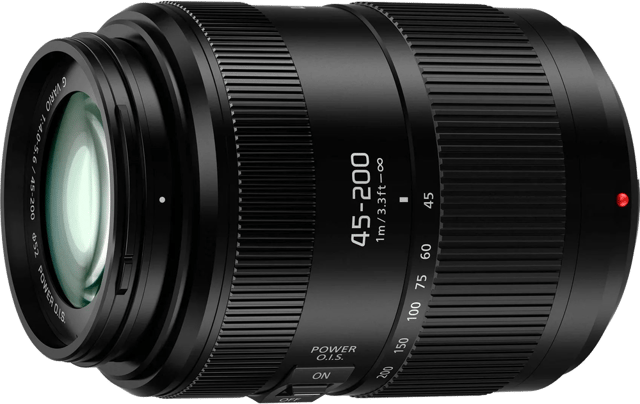
Panasonic LUMIX G Series 45-200mm f/4.0-5.6
45–200 mm instead of 45–175 mm
Panasonic · 45–175 mm · f/4–5.6 · X · Image Stabilization
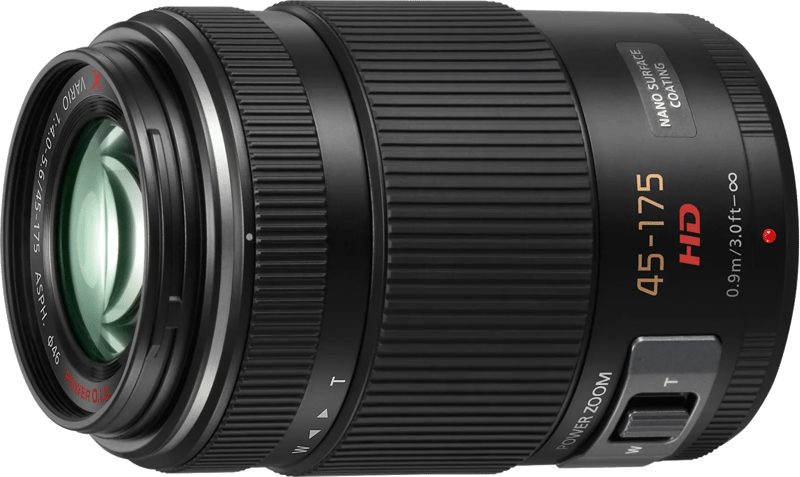
This product does not have an overall score yet.
General | |
|---|---|
About This LensThis Panasonic zoom gives Micro Four Thirds photographers telephoto reach in a small, light package. The 45–175mm span covers portraits at the short end and distant subjects such as outdoor sport or a performer on stage. Micro Four Thirds cameras keep a system portable, and this zoom follows that idea. The modest maximum aperture is the main trade-off. It runs from f/4 to f/5.6 across the zoom, so the lens favours daylight and bright interiors over dim evening venues. Reach and portability, rather than low-light speed, are the reasons to choose it. | |
| Brand | Panasonic |
Pro Branding ⓘSpecific branding codes used for professional-tier lenses. | X |
Lens Mount ⓘThe lens mount will tell you what type of lens range you can fit onto the camera body. Often the same camera company will have different lens ranges for different cameras. | Micro Four Thirds |
System ⓘIndicates which camera system the lens is designed to attach to. | Micro Four Thirds |
Maximum Format ⓘLargest sensor size compatible with the lens. | Micro Four Thirds |
Physical | |
About the BuildThe lens weighs 7.4 oz (210 g) and measures 3.54 in (90 mm) long. It is 2.43 in (61.6 mm) across. That size and weight make it easy to carry on a compact body all day. It takes screw-in filters on a 46mm thread. A polariser or ND filter must match that 46mm size. | |
| Lens Weight | 210 g |
Lens Diameter ⓘWidth of the lens at its widest point | 61.6 mm |
Lens Length ⓘHow long the lens is from front to back. | 90 mm |
Front Filter Compatible ⓘSome lenses are compatible with front filters, some are compatible with back filters and some are compatible with both. Front filters are usually more convenient to add and remove. |  Yes |
Front Filter Size ⓘDiameter of attachable filters. | 46 mm |
Optics | |
About the OpticsThe 45–175mm range spans short telephoto to long telephoto framing. At 45mm you can frame a tight portrait; at 175mm you can isolate a single player at the far side of a pitch. One lens therefore covers a school sports day, a garden bird, or a performer from the back rows. The maximum aperture runs from f/4 at 45mm to f/5.6 at 175mm. In daylight this is comfortable for handheld work, and the built-in stabilisation gives further help at the long end. As the light falls, the narrow aperture means higher ISO settings rather than a wider opening. At these focal lengths, background separation comes mostly from the long reach, so f/5.6 at 175mm can still blur a distant background. Closest focus is 3 ft (90 cm). That lets you photograph flowers, food or market details without stepping far back. Maximum magnification reaches 0.4x, enough to make a blossom or a piece of jewellery large in the frame. For walkabout days, that close reach adds variety to a telephoto zoom. | |
Focal Range ⓘShortest to longest focal length of the lens (zoom range start - end ) | 45–175 mm |
Aperture Range ⓘLargest aperture at the lens's shortest focal length to longest focal length (aperture range start - end) | 4–5.6 |
| Focal Length Angle of View | 27°–7.1° |
Flange Focal Distance ⓘDistance from lens mount to sensor. | 19.25 mm |
Diaphragm Type ⓘStructure and design of the aperture |  Automatic |
Blades ⓘNumber of diaphragm blades in aperture | 7020 |
Zoom Lens ⓘZoom allows you to vary the focal length, change between long shots and close-ups |  Yes |
Zoom Mechanism ⓘSystem enabling zoom function |  Electric |
Zoom Ring ⓘIf zooming is adjusted using a zoom ring |  Yes |
Zoom Type ⓘThe design or approach to zooming |  Push and Pull |
Closest Focusing Distance ⓘMinimum distance for a subject to be in focus. | 90 cm01500 |
Maximum Magnification ⓘLargest size a subject can be reproduced | 0.4x |
| Autofocus Mode |  Yes |
| Manual Mode |  Yes |
| Manual Focusing Ring |  Yes |
Features | |
About the FeaturesPOWER O.I.S. is built in, and it steadies the camera during handheld shooting. That matters most at 175mm, where small camera movements show clearly in the frame. It allows slower shutter speeds in fading light without a tripod. The support cannot freeze a moving subject, so a running child still needs a fast shutter speed. The zoom runs on an electric motor. The PZ in the name marks this power zoom. A push-and-pull control sets the focal length instead of a turning ring. There is no zoom lock and no weather sealing. Keep the lens dry in rain or dust, since protection is not built in. | |
Weather Sealing ⓘWeather sealing capabilities will give you more confidence when shooting in unfavourable conditions. | No |
Fluorine Coating ⓘCoating to repel water and oil from lens elements. | No |
| Built In Lens Hood | No |
Zoom Lock ⓘZoom lock allows the zoom ring to be locked at the desired focal length | No |
Teleconverter ⓘA teleconverter (extender) is an extra piece of equipment that fits between the lens and the camera body to enhance magnification | No |
| Image Stabilization | Yes |
Construction | |
About the ConstructionInside are 14 elements in 10 groups, including two aspherical elements. The aspherical surfaces help correct distortion and spherical aberration, faults that show in straight lines and edges. Two low-dispersion elements help reduce chromatic aberration, the coloured fringing that can appear along high-contrast edges such as a bird against a bright sky. Focusing is internal, so the lens does not extend as it focuses. | |
Elements ⓘLens elements refer to individual pieces of glass within the lens. | 14 |
| Groups | 10 |
Aspherical Elements ⓘThe number of aspherical lens elements which can help correct aberrations such as spherical aberration. | 2 |
Bi Aspherical Elements ⓘElements with two non-spherical surfaces | 0 |
Low Dispersion ⓘElements that reduce chromatic aberration | 2 |
Super Low Dispersion ⓘAdvanced elements further reducing chromatic aberration | 0 |
CA Reduction ⓘBuilt-in features to reduce chromatic aberration | 0 |
Internal Focusing ⓘInternal Focusing means that the lens does not change in size during focusing, and the front element does not rotate. |  Yes |
45–200 mm instead of 45–175 mm
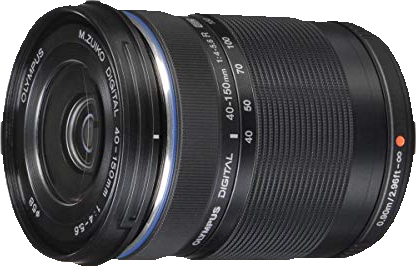
40–150 mm instead of 45–175 mm
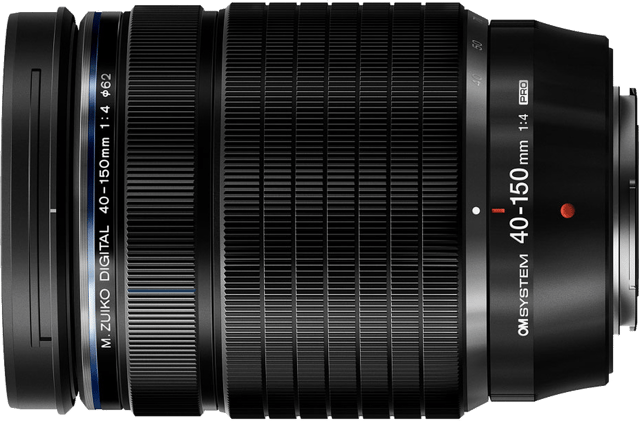
40–150 mm instead of 45–175 mm · f/4 instead of f/4–5.6
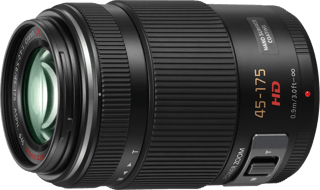
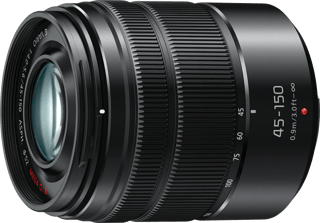
45–150 mm vs 45–175 mm · 0.17× vs 0.4× close-up reach
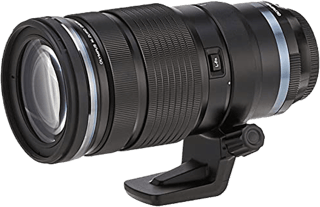
40–150 mm vs 45–175 mm · f/2.8 vs f/4 · 0.21× vs 0.4× close-up reach
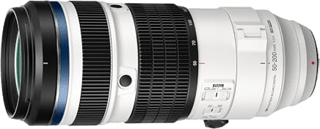
50–200 mm vs 45–175 mm · f/2.8 vs f/4 · 0.25× vs 0.4× close-up reach