
Sigma Contemporary Line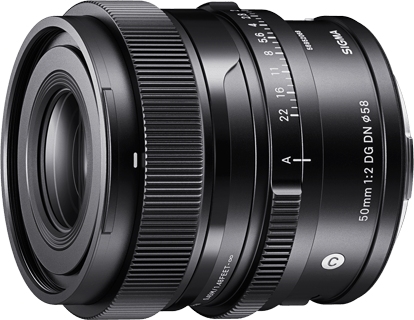
Sigma 50mm F/2 DG DN | C
f/2 instead of f/1.8
Panasonic · 50 mm · f/1.8
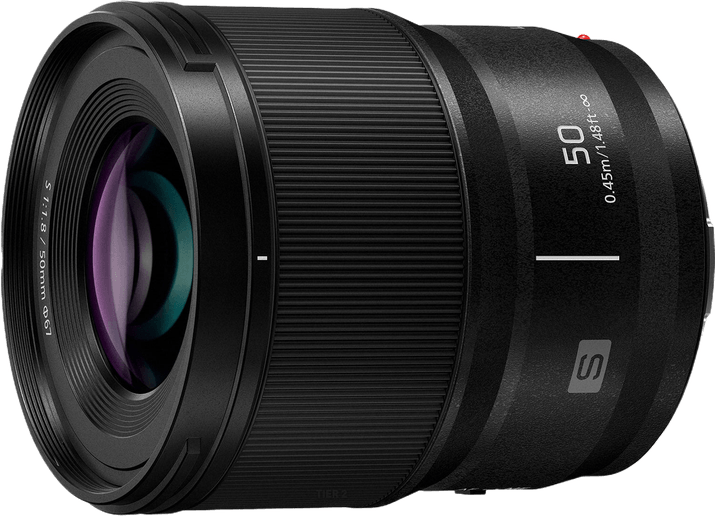
This lens score is calculated from published specifications.
General | |
|---|---|
About This LensThis Panasonic prime gives Leica L mount photographers a standard 50mm lens for full-frame bodies. It suits portraits, street scenes and everyday subjects, where a natural perspective works well. Panasonic introduced it in 2021, and the lens remains in production. The f/1.8 aperture and light weight make it an easy lens to keep on the camera through a whole day. The main trade-off is the absence of image stabilization, which matters most for handheld work in poor light. For L-mount owners it fills the standard prime role at a modest size. | |
| Brand | Panasonic |
| Release Year | 2021 |
Production Status ⓘCurrent status of lens manufacturing (e.g., in production, discontinued). |  In Production |
Lens Mount ⓘThe lens mount will tell you what type of lens range you can fit onto the camera body. Often the same camera company will have different lens ranges for different cameras. | Leica L |
System ⓘIndicates which camera system the lens is designed to attach to. | Leica L |
Maximum Format ⓘLargest sensor size compatible with the lens. |  Full Frame |
Physical64/100 | |
About the BuildAt 10.6 oz (300 g), the lens stays light on a full-frame body. It measures 3.23 in (82 mm) long and 2.9 in (73.6 mm) across the barrel. The physical specification scores 64 in our ratings. A screw-in filter must match the 67mm thread, so check that size before buying filters. | |
| Lens Weight | 300 g |
Lens Diameter ⓘWidth of the lens at its widest point | 73.6 mm |
Lens Length ⓘHow long the lens is from front to back. | 82 mm |
Front Filter Compatible ⓘSome lenses are compatible with front filters, some are compatible with back filters and some are compatible with both. Front filters are usually more convenient to add and remove. |  Yes |
Front Filter Size ⓘDiameter of attachable filters. | 67 mm |
Optics85/100 | |
About the OpticsA 50mm focal length frames the world at roughly human-eye scale. Portraits from the waist up, street scenes and indoor gatherings all suit that view. Faces keep natural proportions at portrait distance. A prime cannot zoom, so you frame by moving closer or stepping back. The f/1.8 maximum aperture admits plenty of light. Indoors or at dusk, it helps you hold usable shutter speeds without pushing ISO high. It also blurs the background behind a portrait subject, separating the person from a busy street or cluttered room. For evening portraits, the wide opening keeps city lights soft behind the subject. Stop down a little and more of the scene stays sharp. Nine aperture blades keep the opening close to circular as you stop down. Out-of-focus highlights then tend toward round, even shapes rather than clear polygons. Close focus sits at 1.5 ft (45 cm), enough for tabletop still lifes, food photography and relaxed portraits. Maximum magnification reaches 0.14x. Our optics score for this lens is 85. | |
Focal Range ⓘShortest to longest focal length of the lens (zoom range start - end ) | 50 mm |
Aperture Range ⓘLargest aperture at the lens's shortest focal length to longest focal length (aperture range start - end) | 1.8 |
| Focal Length Angle of View | 46.8° |
Flange Focal Distance ⓘDistance from lens mount to sensor. | 20 mm |
Diaphragm Type ⓘStructure and design of the aperture |  Automatic |
Blades ⓘNumber of diaphragm blades in aperture | 9020 |
Zoom Lens ⓘZoom allows you to vary the focal length, change between long shots and close-ups | No |
Closest Focusing Distance ⓘMinimum distance for a subject to be in focus. | 45 cm01500 |
Maximum Magnification ⓘLargest size a subject can be reproduced | 0.14x |
| Autofocus Mode |  Yes |
| Manual Mode |  Yes |
| Manual Focusing Ring |  Yes |
Features32/100 | |
About the FeaturesWeather sealing helps protect the lens joints against dust and moisture. That gives more confidence for outdoor portraits or street sessions when conditions turn damp. It also suits longer shoots where weather can change while you work. Image stabilization is absent. In dim light, you rely on shutter speed, a steady hand or a support to keep frames sharp. For moving subjects indoors, raise the shutter speed instead and let the wide aperture carry the exposure. A tripod steadies the camera; it does not stop a walking subject from blurring. The front glass carries no fluorine coating, a further point to weigh before buying. Our features score for this lens is 32. | |
Weather Sealing ⓘWeather sealing capabilities will give you more confidence when shooting in unfavourable conditions. |  Yes |
Fluorine Coating ⓘCoating to repel water and oil from lens elements. | No |
| Built In Lens Hood | No |
| Lens Hood Type |  Round |
Teleconverter ⓘA teleconverter (extender) is an extra piece of equipment that fits between the lens and the camera body to enhance magnification | No |
| Image Stabilization | No |
Construction46/100 | |
About the ConstructionThe optical path uses nine elements in eight groups, including three aspherical elements. Their specially shaped surfaces help correct distortion and spherical aberration, faults that can bend straight edges or soften detail. The design also uses low-dispersion glass, which helps reduce chromatic aberration. Those colour fringes can appear along high-contrast edges such as window light on a face. Our construction score is 46. | |
Elements ⓘLens elements refer to individual pieces of glass within the lens. | 9 |
| Groups | 8 |
Aspherical Elements ⓘThe number of aspherical lens elements which can help correct aberrations such as spherical aberration. | 3 |
Bi Aspherical Elements ⓘElements with two non-spherical surfaces | 0 |
Low Dispersion ⓘElements that reduce chromatic aberration | 1 |
Super Low Dispersion ⓘAdvanced elements further reducing chromatic aberration | 0 |
CA Reduction ⓘBuilt-in features to reduce chromatic aberration | 2 |
Internal Focusing ⓘInternal Focusing means that the lens does not change in size during focusing, and the front element does not rotate. | No |
f/2 instead of f/1.8
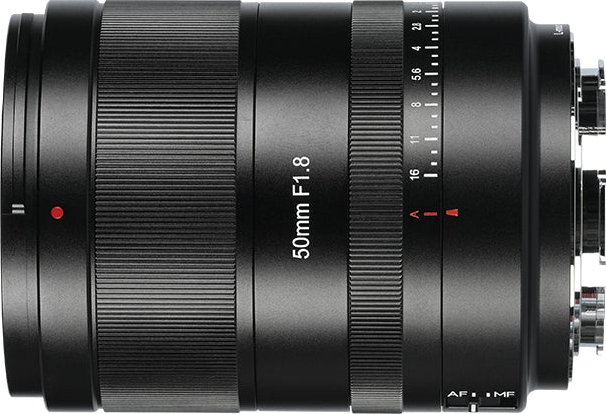
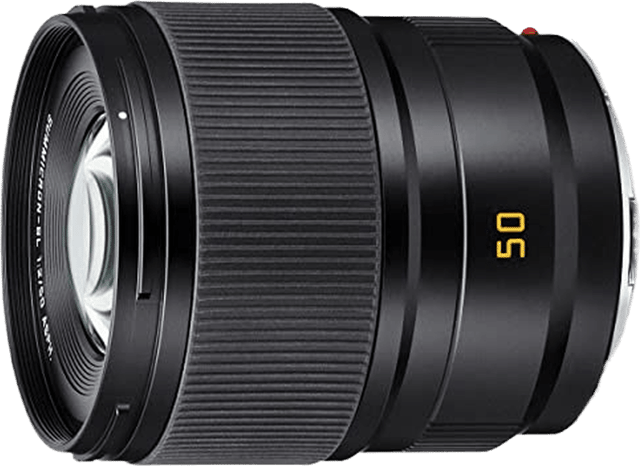
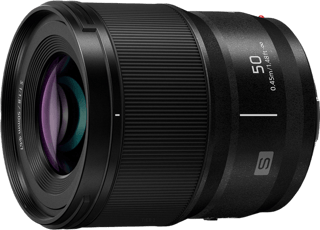
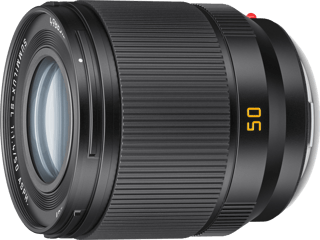
f/1.4 vs f/1.8 · 0.1× vs 0.14× close-up reach · 1065 g vs 300 g
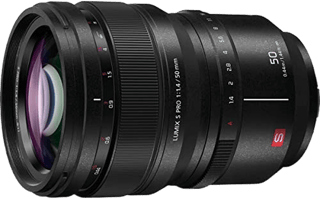
f/1.4 vs f/1.8 · 955 g vs 300 g
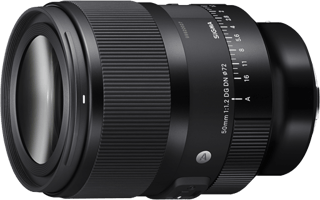
f/1.2 vs f/1.8 · 745 g vs 300 g