
Sigma Art Line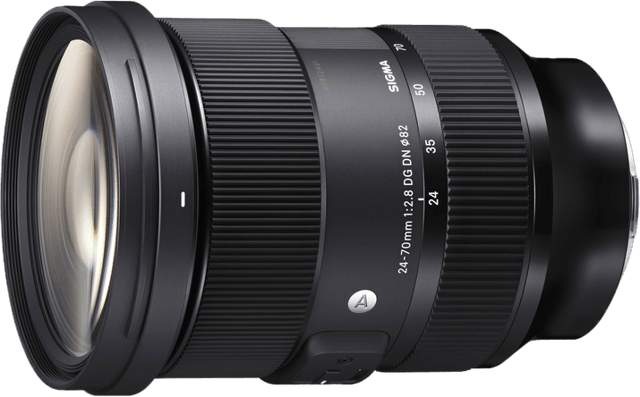
Panasonic · 24–70 mm · f/2.8 · S Pro
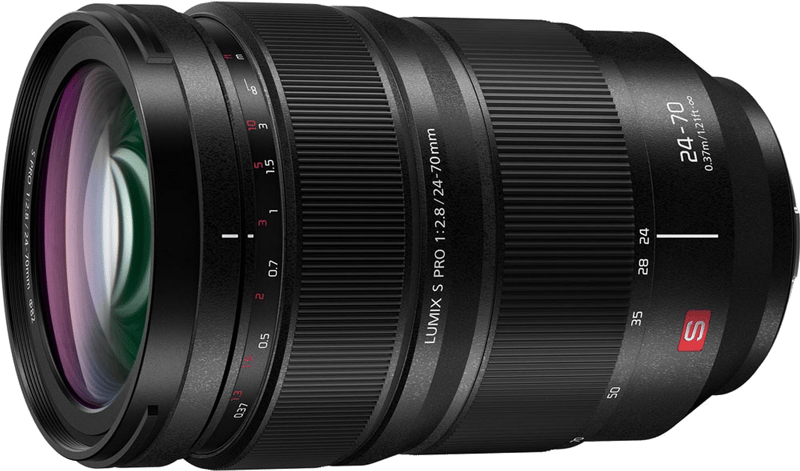
This lens score is calculated from published specifications.
General | |
|---|---|
About This LensThis Panasonic standard zoom serves Leica L-mount full-frame cameras. The 24–70mm span suits events, weddings and everyday assignments, moving from wide room views to tighter portraits without a lens change. Reportage and indoor portrait work are its natural territory. Panasonic introduced it in 2019, and it remains in production. The main trade-offs are its weight and the lack of built-in stabilisation. Both matter on a long handheld day, and the sections below cover each in turn. Think about how much of your own work is handheld before buying. | |
| Brand | Panasonic |
| Release Year | 2019 |
Production Status ⓘCurrent status of lens manufacturing (e.g., in production, discontinued). |  In Production |
Pro Branding ⓘSpecific branding codes used for professional-tier lenses. | S Pro |
Lens Mount ⓘThe lens mount will tell you what type of lens range you can fit onto the camera body. Often the same camera company will have different lens ranges for different cameras. | Leica L |
System ⓘIndicates which camera system the lens is designed to attach to. | Leica L |
Maximum Format ⓘLargest sensor size compatible with the lens. |  Full Frame |
Physical92/100 | |
About the BuildAt 2 lb 1 oz (935 g), this is a lens you notice when carrying it for hours. The barrel runs 3.58 in (90.9 mm) wide and 5.51 in (140 mm) long, so it stands out on the camera. Screw-in filters must match the 82mm front thread, so a polariser or ND filter for bright outdoor light attaches without an adapter. Our physical score is 92/100. | |
| Lens Weight | 935 g |
Lens Diameter ⓘWidth of the lens at its widest point | 90.9 mm |
Lens Length ⓘHow long the lens is from front to back. | 140 mm |
Front Filter Compatible ⓘSome lenses are compatible with front filters, some are compatible with back filters and some are compatible with both. Front filters are usually more convenient to add and remove. |  Yes |
Front Filter Size ⓘDiameter of attachable filters. | 82 mm |
Optics83/100 | |
About the OpticsThe 24mm end frames whole rooms and large groups without stepping back. At 70mm you can tighten onto one or two people from across a dance floor. The middle of the range suits candid coverage and environmental portraits. For travel, the same range handles street scenes one hour and landscapes the next. The f/2.8 maximum aperture is available at every focal length. In dim reception halls and church interiors it keeps shutter speeds usable, and helps freeze guests in motion. Because the maximum does not shrink as you zoom, exposure settings stay put when reframing. The constant maximum governs light, not depth of field. Depth of field still tightens toward 70mm, so stop down a little for rows of guests. Wide open at 70mm, f/2.8 also separates a portrait subject from a cluttered background more than a slower zoom allows. Closest focus sits at 1.2 ft (37 cm), which brings table settings, rings and other detail shots within reach. The eleven-blade aperture helps out-of-focus areas render smoothly. Our optics score is 83/100. | |
Focal Range ⓘShortest to longest focal length of the lens (zoom range start - end ) | 24–70 mm |
Aperture Range ⓘLargest aperture at the lens's shortest focal length to longest focal length (aperture range start - end) | 2.8 |
| Focal Length Angle of View | 84.06668552322992°–34.34976958695978° |
Flange Focal Distance ⓘDistance from lens mount to sensor. | 20 mm |
Diaphragm Type ⓘStructure and design of the aperture |  Automatic |
Blades ⓘNumber of diaphragm blades in aperture | 11020 |
Zoom Lens ⓘZoom allows you to vary the focal length, change between long shots and close-ups |  Yes |
Zoom Mechanism ⓘSystem enabling zoom function |  Manual |
Zoom Ring ⓘIf zooming is adjusted using a zoom ring |  Yes |
Zoom Type ⓘThe design or approach to zooming |  Rotary |
Closest Focusing Distance ⓘMinimum distance for a subject to be in focus. | 37 cm01500 |
Maximum Magnification ⓘLargest size a subject can be reproduced | 0.25x |
| Autofocus Mode |  Yes |
| Manual Mode |  Yes |
| Manual Focusing Ring |  Yes |
Features32/100 | |
About the FeaturesThe lens is sealed against dust and moisture. That lets you keep shooting through drizzle at an outdoor ceremony or dust on a trail without retreating to shelter. There is no built-in stabilisation. You therefore need a body that stabilises the sensor, or shutter speeds fast enough for sharp handheld frames. The f/2.8 aperture supports the second route as light fades. The front element has no fluorine coating, so fingerprints and rain spots take a little more effort to wipe clean. There is also no zoom lock for fixing the barrel during transport. Our features score is 32/100. | |
Weather Sealing ⓘWeather sealing capabilities will give you more confidence when shooting in unfavourable conditions. |  Yes |
Fluorine Coating ⓘCoating to repel water and oil from lens elements. | No |
| Built In Lens Hood | No |
| Lens Hood Type |  Petal |
Zoom Lock ⓘZoom lock allows the zoom ring to be locked at the desired focal length | No |
Teleconverter ⓘA teleconverter (extender) is an extra piece of equipment that fits between the lens and the camera body to enhance magnification | No |
| Image Stabilization | No |
Construction46/100 | |
About the ConstructionThe optical design uses 18 elements in 16 groups. It includes aspherical elements, whose specially shaped surfaces help correct distortion. Distortion can curve straight lines, which matters for interior frames at the wide end. Low-dispersion glass is also used. It helps reduce chromatic aberration, the coloured fringes that can appear along high-contrast edges such as window frames against a bright sky. | |
Elements ⓘLens elements refer to individual pieces of glass within the lens. | 18 |
| Groups | 16 |
Aspherical Elements ⓘThe number of aspherical lens elements which can help correct aberrations such as spherical aberration. | 1 |
Bi Aspherical Elements ⓘElements with two non-spherical surfaces | 0 |
Low Dispersion ⓘElements that reduce chromatic aberration | 1 |
Super Low Dispersion ⓘAdvanced elements further reducing chromatic aberration | 0 |
CA Reduction ⓘBuilt-in features to reduce chromatic aberration | 2 |
Internal Focusing ⓘInternal Focusing means that the lens does not change in size during focusing, and the front element does not rotate. | No |
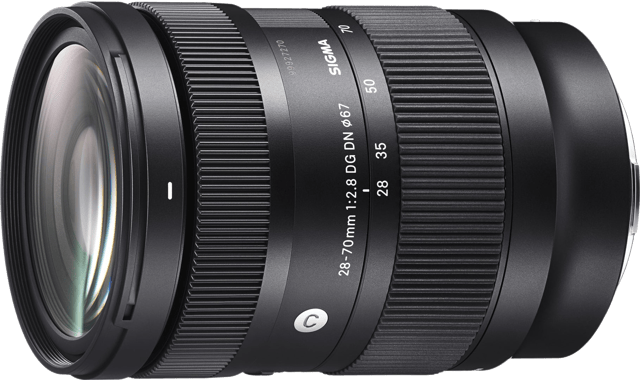
28–70 mm instead of 24–70 mm
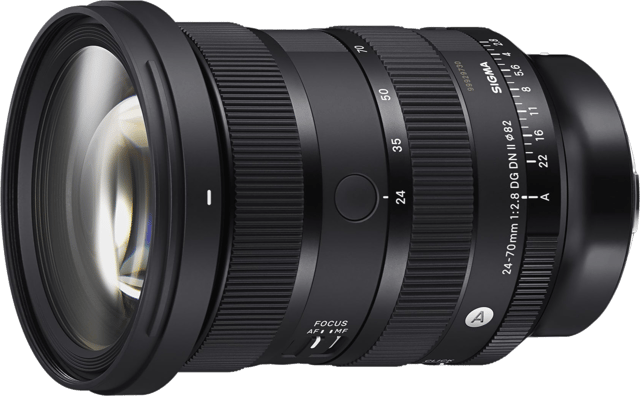
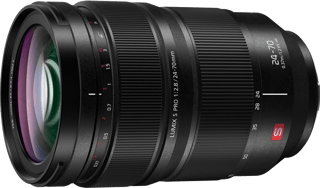
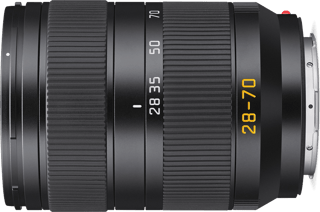
28–70 mm vs 24–70 mm · 0.3× vs 0.25× close-up reach · 572 g vs 935 g
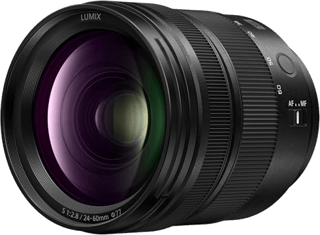
24–60 mm vs 24–70 mm · 0.3× vs 0.25× close-up reach · 544 g vs 935 g
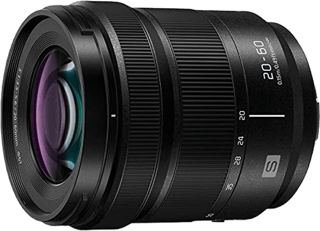
20–60 mm vs 24–70 mm · f/3.5 vs f/2.8 · 0.43× vs 0.25× close-up reach