
Longer Reach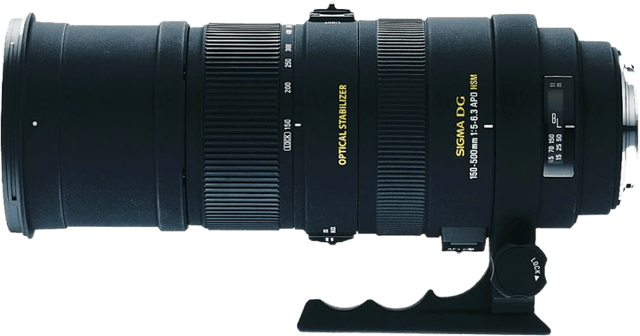
Sigma 150-500mm F/5-6.3 APO DG OS HSM
150–500 mm instead of 150–450 mm
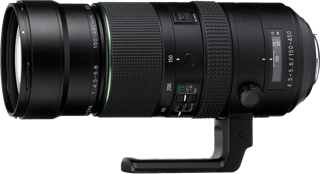
Pentax · 150–450 mm · f/4.5–5.6
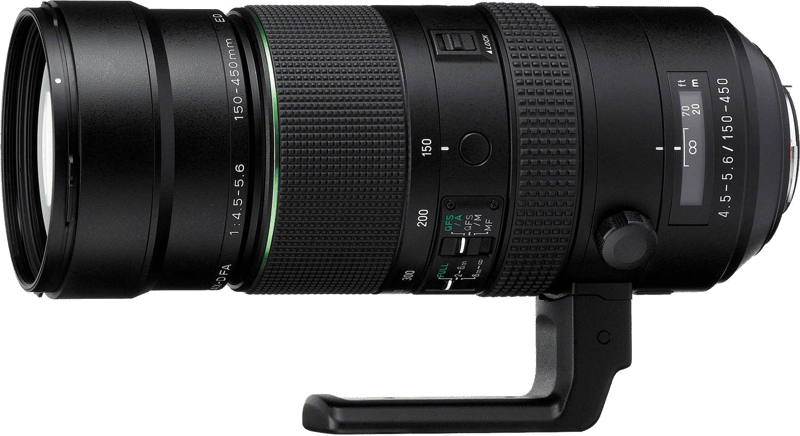
This lens score is calculated from published specifications.
General | |
|---|---|
About This LensThis Pentax telephoto zoom covers 150–450mm on the full-frame K mount. It suits anyone photographing distant subjects, from birds and wildlife to outdoor sport. The K-mount commitment keeps it within the Pentax system rather than an option for other brands. One lens also replaces several fixed telephoto focal lengths in the bag. Introduced in 2015, it is an older design. The trade-off pairs long reach and weather sealing with real weight and a modest maximum aperture. It suits a photographer who works from a hide or a touchline, not one who wants a light lens for travel. | |
| Brand | Pentax |
| Release Year | 2015 |
Lens Mount ⓘThe lens mount will tell you what type of lens range you can fit onto the camera body. Often the same camera company will have different lens ranges for different cameras. | Pentax K |
System ⓘIndicates which camera system the lens is designed to attach to. | Pentax K |
Maximum Format ⓘLargest sensor size compatible with the lens. |  Full Frame |
Physical63/100 | |
About the BuildThe lens weighs 4 lb 6.5 oz (2000 g), which is heavy for a handheld zoom. It measures 9.51 in (241.5 mm) long and 3.74 in (95 mm) wide. A screw-in filter must match the 86mm thread on the front, so a protective or polarising filter is straightforward to fit. | |
| Lens Weight | 2000 g |
Lens Diameter ⓘWidth of the lens at its widest point | 95 mm |
Lens Length ⓘHow long the lens is from front to back. | 241.5 mm |
Front Filter Compatible ⓘSome lenses are compatible with front filters, some are compatible with back filters and some are compatible with both. Front filters are usually more convenient to add and remove. |  Yes |
Front Filter Size ⓘDiameter of attachable filters. | 86 mm |
Optics56/100 | |
About the OpticsThe 150mm end frames an animal within its habitat. Zoom to 450mm and one bird or player dominates the frame. Intermediate settings let you tighten or loosen framing as a subject's behaviour changes. You follow action toward you or away without changing position. A zoom also helps when you cannot predict how close an animal will come. The maximum aperture runs from f/4.5 to f/5.6 across the zoom. In daylight this is workable. In a shaded forest or late afternoon, you may need a higher ISO to keep shutter speeds fast enough. At 450mm, even f/5.6 gives a shallow zone of sharpness. A distant background falls out of focus, which helps a single bird stand out from busy foliage. Nine aperture blades help keep that background smooth as you stop down. This separation is one of the main reasons to choose a long telephoto. The closest focusing distance is 6.6 ft (200 cm), which suits the distant subjects this lens is built for. Maximum magnification reaches 0.22x, enough for tight framing of larger birds and resting mammals. The optics specification scores 56 here. | |
Focal Range ⓘShortest to longest focal length of the lens (zoom range start - end ) | 150–450 mm |
Aperture Range ⓘLargest aperture at the lens's shortest focal length to longest focal length (aperture range start - end) | 4.5–5.6 |
| Focal Length Angle of View | 16.5°–5.5° |
Flange Focal Distance ⓘDistance from lens mount to sensor. | 45.5 mm |
Diaphragm Type ⓘStructure and design of the aperture |  Automatic |
Blades ⓘNumber of diaphragm blades in aperture | 9020 |
Zoom Lens ⓘZoom allows you to vary the focal length, change between long shots and close-ups |  Yes |
Zoom Mechanism ⓘSystem enabling zoom function |  Manual |
Zoom Ring ⓘIf zooming is adjusted using a zoom ring |  Yes |
Zoom Type ⓘThe design or approach to zooming |  Rotary |
Closest Focusing Distance ⓘMinimum distance for a subject to be in focus. | 200 cm01500 |
Maximum Magnification ⓘLargest size a subject can be reproduced | 0.22x |
| Autofocus Mode |  Yes |
| Manual Mode |  Yes |
| Manual Focusing Ring |  Yes |
Features71/100 | |
About the FeaturesWeather sealing protects the lens in rain, dust and sea spray, which matches the conditions wildlife photographers often work in. A fluorine coating on the front element helps water and dirt slide off, so a wipe usually restores a clean surface. The zoom lock holds the barrel when the lens hangs pointed down, preventing creep between shots. There is no image stabilization. At 450mm, small movements show clearly, so sharp handheld work needs a fast shutter speed or firm support. A monopod is a common pairing for a lens of this weight, and it follows a moving subject more easily than a tripod. The features specification scores 71 here. | |
Weather Sealing ⓘWeather sealing capabilities will give you more confidence when shooting in unfavourable conditions. |  Yes |
Fluorine Coating ⓘCoating to repel water and oil from lens elements. |  Yes |
| Built In Lens Hood | No |
| Lens Hood Type |  Round |
Zoom Lock ⓘZoom lock allows the zoom ring to be locked at the desired focal length |  Yes |
Teleconverter ⓘA teleconverter (extender) is an extra piece of equipment that fits between the lens and the camera body to enhance magnification |  Yes |
| Image Stabilization | No |
Construction40/100 | |
About the ConstructionThree ED elements and one Super ED element help reduce chromatic aberration. Without that correction, coloured fringes can appear along high-contrast edges, such as a bird against a bright sky. Focusing moves elements inside the barrel, so the lens keeps its length while it focuses. | |
Elements ⓘLens elements refer to individual pieces of glass within the lens. | 18 |
| Groups | 14 |
Aspherical Elements ⓘThe number of aspherical lens elements which can help correct aberrations such as spherical aberration. | 0 |
Bi Aspherical Elements ⓘElements with two non-spherical surfaces | 0 |
Low Dispersion ⓘElements that reduce chromatic aberration | 3 |
Super Low Dispersion ⓘAdvanced elements further reducing chromatic aberration | 1 |
CA Reduction ⓘBuilt-in features to reduce chromatic aberration | 0 |
Internal Focusing ⓘInternal Focusing means that the lens does not change in size during focusing, and the front element does not rotate. |  Yes |
150–500 mm instead of 150–450 mm
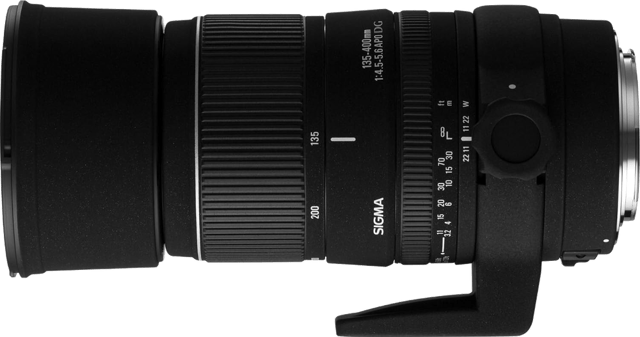
135–400 mm instead of 150–450 mm
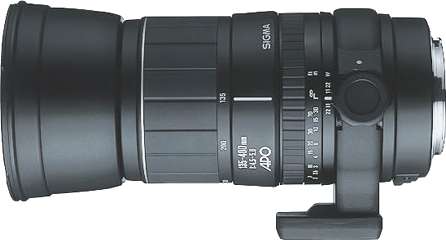
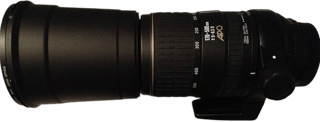
170–500 mm vs 150–450 mm · f/5 vs f/4.5 · 0.15× vs 0.22× close-up reach
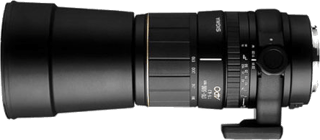
170–500 mm vs 150–450 mm · f/5 vs f/4.5 · 0.15× vs 0.22× close-up reach
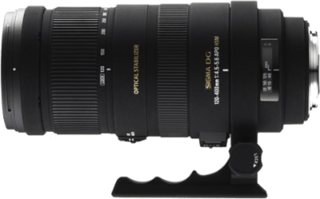
120–400 mm vs 150–450 mm · Adds lens stabilization · 1640 g vs 2000 g