
Sigma Contemporary Line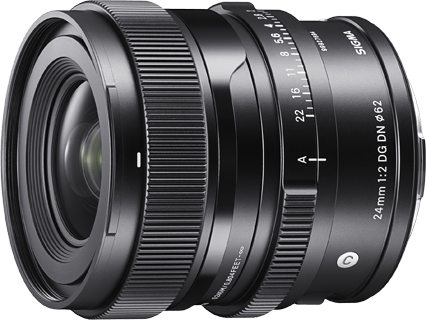
Sigma 24mm F/2 DG DN | C
f/2 instead of f/1.8
Samyang · 24 mm · f/1.8
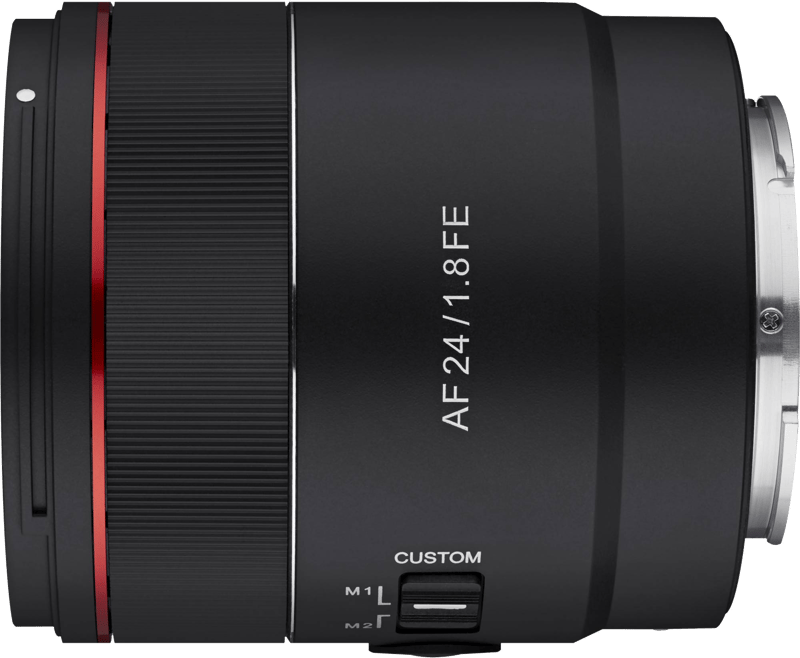
This lens score is calculated from published specifications.
General | |
|---|---|
About This LensThe Samyang AF 24mm F/1.8 FE is a wide-angle prime for Sony E mount full-frame cameras. Samyang introduced it in 2021, and it remains in production, so this is a current design rather than an older model. A single fixed view makes framing simple: you step forward or back rather than zooming. It suits interiors, architecture, street photography and landscapes, where a wide view takes in the whole scene. The f/1.8 aperture also makes it a practical choice for the night sky. The main trade-off is that one focal length covers one view. Photographers who need varied framing from one position may prefer a zoom. | |
| Brand | Samyang |
| Release Year | 2021 |
Production Status ⓘCurrent status of lens manufacturing (e.g., in production, discontinued). |  In Production |
Lens Mount ⓘThe lens mount will tell you what type of lens range you can fit onto the camera body. Often the same camera company will have different lens ranges for different cameras. | Sony E |
System ⓘIndicates which camera system the lens is designed to attach to. | Sony E |
Maximum Format ⓘLargest sensor size compatible with the lens. |  Full Frame |
Physical64/100 | |
About the BuildAt 8.1 oz (230 g), it is a light full-frame lens. The barrel stays small at 2.56 in (65 mm) across and 2.81 in (71.5 mm) long. Screw-in filters match the 58mm thread directly, a common size that existing filters may already share. | |
| Lens Weight | 230 g |
Lens Diameter ⓘWidth of the lens at its widest point | 65 mm |
Lens Length ⓘHow long the lens is from front to back. | 71.5 mm |
Front Filter Compatible ⓘSome lenses are compatible with front filters, some are compatible with back filters and some are compatible with both. Front filters are usually more convenient to add and remove. |  Yes |
Front Filter Size ⓘDiameter of attachable filters. | 58 mm |
Optics86/100 | |
About the OpticsA 24mm prime frames rooms, facades and street corners without stepping back. That wide view matters inside, where walls limit your position, and in tight alleys where a longer lens would cut the scene apart. The optics specification scores 86/100. The f/1.8 aperture is the main strength. It passes more light than a typical wide zoom, so indoor shots keep usable shutter speeds without heavy ISO lifting. At night it lets you photograph lit streets handheld and record stars with short exposures on a tripod. Close focusing reaches 0.6 ft (19 cm). A doorway edge, a rock or a window frame can sit close to the camera while the background stays in view. Its maximum magnification reaches 0.21x, so close subjects record with useful size. Nine aperture blades keep the opening round when stopped down, smoothing point lights behind the subject. Subject isolation remains a wide-angle challenge. The 24mm view pulls surrounding detail into the frame. Separation therefore comes from the near focusing distance and the f/1.8 opening rather than from the focal length alone. | |
Focal Range ⓘShortest to longest focal length of the lens (zoom range start - end ) | 24 mm |
Aperture Range ⓘLargest aperture at the lens's shortest focal length to longest focal length (aperture range start - end) | 1.8 |
| Focal Length Angle of View | 84.07° |
Flange Focal Distance ⓘDistance from lens mount to sensor. | 18 mm |
Diaphragm Type ⓘStructure and design of the aperture |  Automatic |
Blades ⓘNumber of diaphragm blades in aperture | 9020 |
Zoom Lens ⓘZoom allows you to vary the focal length, change between long shots and close-ups | No |
Closest Focusing Distance ⓘMinimum distance for a subject to be in focus. | 19 cm01500 |
Maximum Magnification ⓘLargest size a subject can be reproduced | 0.21x |
| Autofocus Mode |  Yes |
| Manual Mode |  Yes |
| Manual Focusing Ring |  Yes |
Features52/100 | |
About the FeaturesWeather sealing guards the moving joints against damp and dust. Light rain or sea air need not send you indoors, which suits landscape work on exposed ground. The features specification scores 52/100. The lens provides no image stabilisation of its own, so slow handheld exposures have no lens-based help. The wide aperture lowers the need for slow shutter speeds in dim light, which limits the practical cost. There is no fluorine coating on the front glass. Fingerprints and rain spots need a deliberate wipe rather than sliding away on their own. | |
Weather Sealing ⓘWeather sealing capabilities will give you more confidence when shooting in unfavourable conditions. |  Yes |
Fluorine Coating ⓘCoating to repel water and oil from lens elements. | No |
| Built In Lens Hood | No |
| Lens Hood Type |  Petal |
Teleconverter ⓘA teleconverter (extender) is an extra piece of equipment that fits between the lens and the camera body to enhance magnification |  Yes |
| Image Stabilization | No |
Construction46/100 | |
About the ConstructionThe build holds 11 elements in 8 groups. Among them are aspherical elements, whose shaped surfaces help correct distortion, the effect that curves straight building edges. Low-dispersion glass also helps reduce chromatic aberration, the coloured fringes that can trace high-contrast edges such as rooflines against a bright sky. Both faults stand out in architecture and night street frames, which these design choices target. | |
Elements ⓘLens elements refer to individual pieces of glass within the lens. | 11 |
| Groups | 8 |
Aspherical Elements ⓘThe number of aspherical lens elements which can help correct aberrations such as spherical aberration. | 1 |
Bi Aspherical Elements ⓘElements with two non-spherical surfaces | 0 |
Low Dispersion ⓘElements that reduce chromatic aberration | 1 |
Super Low Dispersion ⓘAdvanced elements further reducing chromatic aberration | 0 |
CA Reduction ⓘBuilt-in features to reduce chromatic aberration | 3 |
Internal Focusing ⓘInternal Focusing means that the lens does not change in size during focusing, and the front element does not rotate. | No |
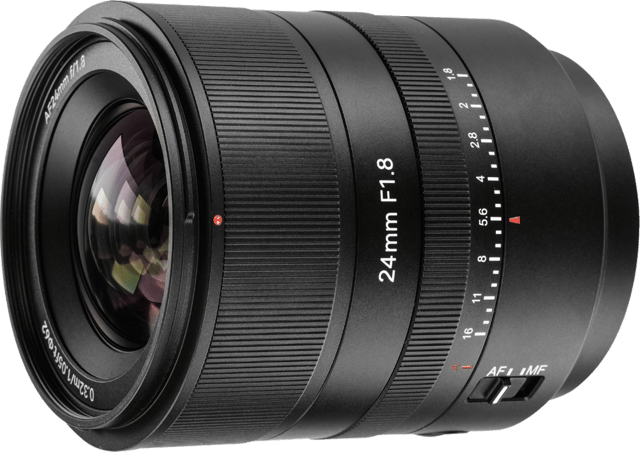
f/2 instead of f/1.8
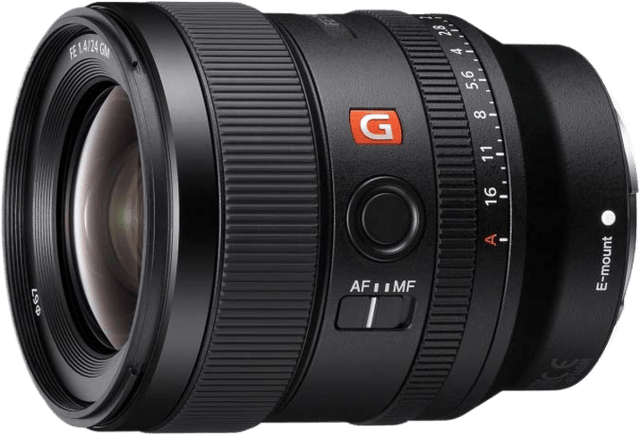
f/1.4 instead of f/1.8
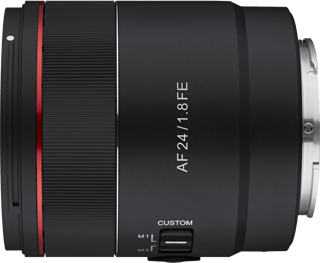
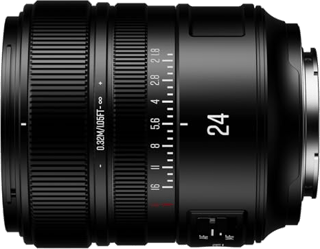
0.1× vs 0.21× close-up reach · 444 g vs 230 g · Closest focus 32 cm vs 19 cm
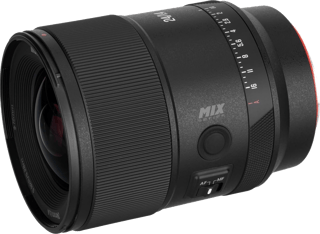
f/1.4 vs f/1.8 · 0.1× vs 0.21× close-up reach · 556 g vs 230 g
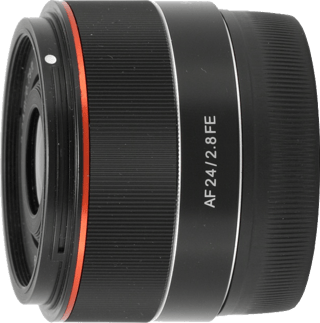
f/2.8 vs f/1.8 · 0.13× vs 0.21× close-up reach · 93 g vs 230 g