
Other Brand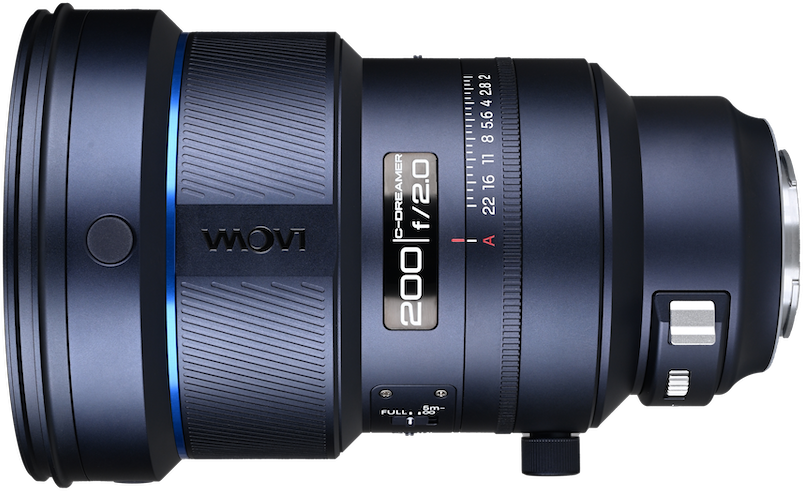
Sigma · 200 mm · f/2 · Sports · Image Stabilization

Scores combine our editorial testing with published lab data.
General | |
|---|---|
About This LensThis Sigma prime combines a fixed 200mm focal length with an f/2 maximum aperture. It covers full-frame cameras and comes in Sony E and L-Mount versions. Sigma introduced it in 2025. Its combination suits sport, stage work and portraits photographed from some distance. The main trade-offs are weight and fixed framing. It is a substantial lens to carry through a long event. Unlike a zoom, it cannot widen the frame when the action suddenly moves closer. Choose your position with the likely subject distance in mind. | |
| Brand | Sigma |
| Release Year | 2025 |
Production Status ⓘCurrent status of lens manufacturing (e.g., in production, discontinued). |  In Production |
Pro Branding ⓘSpecific branding codes used for professional-tier lenses. | Sports |
Lens Mount ⓘThe lens mount will tell you what type of lens range you can fit onto the camera body. Often the same camera company will have different lens ranges for different cameras. | Sony E |
System ⓘIndicates which camera system the lens is designed to attach to. | Sony E |
Maximum Format ⓘLargest sensor size compatible with the lens. |  Full Frame |
Physical92/100 | |
About the BuildThe Sony E version weighs 3 lb 15.5 oz (1800 g) and measures 7.99 in (203 mm) long and 4.68 in (118.9 mm) across. The L-Mount version differs slightly in weight and length. A monopod or other firm support can take the load while you wait for action. Screw-in filters use a 105mm thread. | |
| Lens Weight | 1800 g |
Lens Diameter ⓘWidth of the lens at its widest point | 118.9 mm |
Lens Length ⓘHow long the lens is from front to back. | 203 mm |
Front Filter Compatible ⓘSome lenses are compatible with front filters, some are compatible with back filters and some are compatible with both. Front filters are usually more convenient to add and remove. |  Yes |
Front Filter Size ⓘDiameter of attachable filters. | 105 mm |
Optics83/100 | |
About the OpticsAt 200mm, distant people and details can fill more of the frame than with a shorter focal length from the same position. A nearby group may be too large to fit. Leave room for a player’s movement, and avoid framing so tightly that a sudden gesture cuts off a hand or foot. Moving changes framing and perspective. When you cannot move, the fixed focal length limits your options. A second camera with a shorter lens can be useful when an event moves rapidly between distant action and nearby people. Plan for that before the important moment arrives, especially when access to another shooting position is restricted. The f/2 maximum aperture gives more room for a fast shutter speed or lower ISO than a smaller opening. It can also make a distant background soft. At portrait distances, focus carefully on the eye that matters most. Stop down when several people at different distances must stay sharp. Closest focus is 5.6 ft (170 cm), measured from the sensor. Maximum magnification is about 0.13x. This suits larger details seen from a little distance. Anything nearer than the minimum is too close to focus, so allow enough room when setting up a portrait or moving between shooting positions. | |
Focal Range ⓘShortest to longest focal length of the lens (zoom range start - end ) | 200 mm |
Aperture Range ⓘLargest aperture at the lens's shortest focal length to longest focal length (aperture range start - end) | 2 |
| Focal Length Angle of View | 12.3° |
Flange Focal Distance ⓘDistance from lens mount to sensor. | 18 mm |
Diaphragm Type ⓘStructure and design of the aperture |  Automatic |
Blades ⓘNumber of diaphragm blades in aperture | 11020 |
Zoom Lens ⓘZoom allows you to vary the focal length, change between long shots and close-ups | No |
Closest Focusing Distance ⓘMinimum distance for a subject to be in focus. | 170 cm01500 |
Maximum Magnification ⓘLargest size a subject can be reproduced | 0.13x |
| Autofocus Mode |  Yes |
| Manual Mode |  Yes |
| Manual Focusing Ring |  Yes |
Features81/100 | |
About the FeaturesOptical stabilization reduces camera shake and steadies the view while framing. A still subject can allow a slower shutter speed. A running player still needs enough shutter speed for their movement. Support remains useful for long waits, careful compositions and video work. Dust and splash resistance help outdoors. Use cover in persistent rain. The front coating repels water and oil, which helps with cleaning. Remove loose grit before wiping marks, especially after working near a dusty track or sandy ground. | |
Weather Sealing ⓘWeather sealing capabilities will give you more confidence when shooting in unfavourable conditions. |  Yes |
Fluorine Coating ⓘCoating to repel water and oil from lens elements. |  Yes |
| Built In Lens Hood | No |
| Lens Hood Type |  Petal |
Teleconverter ⓘA teleconverter (extender) is an extra piece of equipment that fits between the lens and the camera body to enhance magnification | No |
| Image Stabilization | Yes |
IS Efficiency ⓘIS efficiency refers to the effectiveness of the image stabilization system in compensating for the blurring effects of camera shake, quantified by the number of stops of stabilization it provides. | 6.5 stops |
Construction38/100 | |
About the ConstructionTwo FLD and two SLD elements help reduce colour fringing caused by different wavelengths focusing differently. That matters at strong edges such as a player against bright sky. These glass types describe the optical design; their presence alone does not establish measured detail or background rendering. | |
Elements ⓘLens elements refer to individual pieces of glass within the lens. | 19 |
| Groups | 14 |
Aspherical Elements ⓘThe number of aspherical lens elements which can help correct aberrations such as spherical aberration. | 0 |
Bi Aspherical Elements ⓘElements with two non-spherical surfaces | 0 |
Low Dispersion ⓘElements that reduce chromatic aberration | 2 |
Super Low Dispersion ⓘAdvanced elements further reducing chromatic aberration | 0 |
CA Reduction ⓘBuilt-in features to reduce chromatic aberration | 0 |
Internal Focusing ⓘInternal Focusing means that the lens does not change in size during focusing, and the front element does not rotate. |  Yes |