
Longer Reach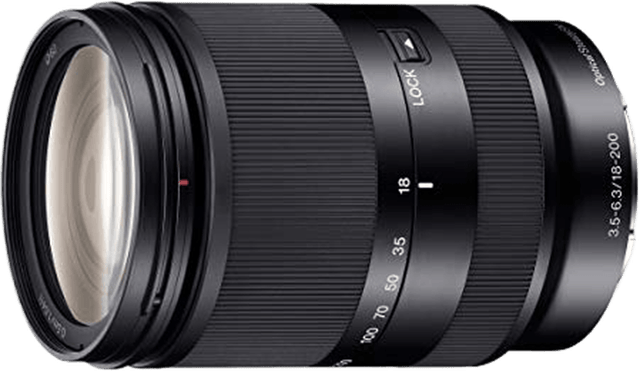
Sony E 18-200mm F/3.5-6.3 OSS LE SEL18200LE
18–200 mm instead of 18–110 mm
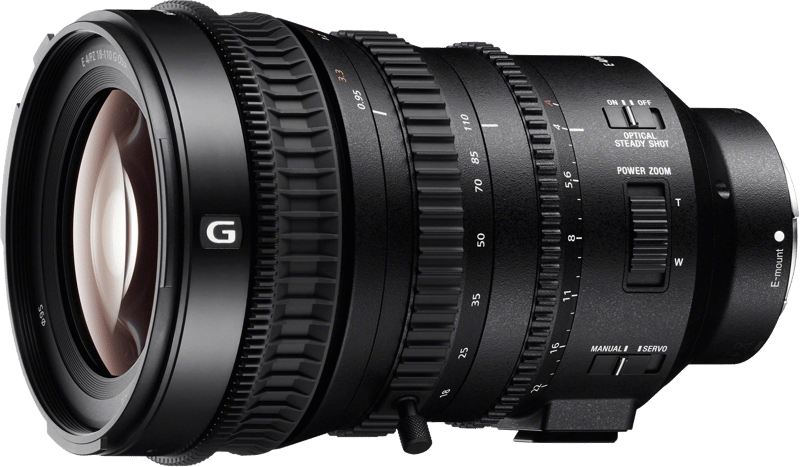
Sony · 18–110 mm · f/4 · G · Image Stabilization
This lens score is calculated from published specifications.
General | |
|---|---|
About This LensThis 2016 Sony E-mount zoom covers 18–110mm on APS-C bodies. It reaches from wide scenes to short telephoto portraits. That span means fewer lens swaps mid-shoot. The powered zoom and constant f/4 aperture suit video work. It remains in production. Documentary, event and travel videographers get a single lens that stays on the camera all day. The trade-off is bulk and light gathering: at 2 lb 7 oz (1105 g) it is heavy for APS-C, and the f/4 maximum limits dim-room shooting. | |
| Brand | Sony |
| Release Year | 2016 |
Production Status ⓘCurrent status of lens manufacturing (e.g., in production, discontinued). |  In Production |
Pro Branding ⓘSpecific branding codes used for professional-tier lenses. | G |
Lens Mount ⓘThe lens mount will tell you what type of lens range you can fit onto the camera body. Often the same camera company will have different lens ranges for different cameras. | Sony E |
System ⓘIndicates which camera system the lens is designed to attach to. | Sony E APS-C |
Maximum Format ⓘLargest sensor size compatible with the lens. |  APS-C |
Physical78/100 | |
About the BuildAt 2 lb 7 oz (1105 g) and 6.59 in (167.5 mm) long, this is a big lens for an APS-C body. The barrel measures 4.33 in (110 mm) across. The front takes 95mm screw-in filters, so any polariser or ND you add must match that large thread. It scores 78/100 for physical build. | |
| Lens Weight | 1105 g |
Lens Diameter ⓘWidth of the lens at its widest point | 110 mm |
Lens Length ⓘHow long the lens is from front to back. | 167.5 mm |
Front Filter Compatible ⓘSome lenses are compatible with front filters, some are compatible with back filters and some are compatible with both. Front filters are usually more convenient to add and remove. |  Yes |
Front Filter Size ⓘDiameter of attachable filters. | 95 mm |
Optics66/100 | |
About the OpticsThe 18mm end suits interviews in tight rooms and wide establishing shots. At 110mm you can tighten on a speaker across a hall or compress distant action. The mid range covers medium shots and two-person interviews. The long end is also enough for stage performances and candid portraits from mid-room. The f/4 maximum stays constant through the zoom, so exposure does not shift when focal length changes mid-scene. That consistency matters more for video than for stills. A constant f-stop does not mean constant depth of field, which still changes as you zoom. The ceiling costs light. In dim rooms you will raise ISO, and at 18mm the deep depth of field gives little background separation. At 110mm you can still separate a speaker from a busy background, since longer focal lengths magnify that effect. Zooming is motorised and driven by a rotary ring. A powered zoom helps keep focal-length moves gentle while recording, which suits slow reveals. Closest focus is 1.3 ft (40 cm), enough to frame a face or a small product at tabletop distance. The optics score is 66/100. | |
Focal Range ⓘShortest to longest focal length of the lens (zoom range start - end ) | 18–110 mm |
Aperture Range ⓘLargest aperture at the lens's shortest focal length to longest focal length (aperture range start - end) | 4 |
| Focal Length Angle of View | 76.16528764323213°–14.614015600434842° |
Flange Focal Distance ⓘDistance from lens mount to sensor. | 18 mm |
Diaphragm Type ⓘStructure and design of the aperture |  Automatic |
Blades ⓘNumber of diaphragm blades in aperture | 7020 |
Zoom Lens ⓘZoom allows you to vary the focal length, change between long shots and close-ups |  Yes |
Zoom Mechanism ⓘSystem enabling zoom function |  Electric |
Zoom Ring ⓘIf zooming is adjusted using a zoom ring |  Yes |
Zoom Type ⓘThe design or approach to zooming |  Rotary |
Closest Focusing Distance ⓘMinimum distance for a subject to be in focus. | 40 cm01500 |
Maximum Magnification ⓘLargest size a subject can be reproduced | 0.12x |
| Autofocus Mode |  Yes |
| Manual Mode |  Yes |
| Manual Focusing Ring |  Yes |
Features73/100 | |
About the FeaturesBuilt-in OSS stabilisation steadies the camera at slower shutter speeds. At the 110mm end that support helps handheld footage stay watchable while you pan, walk or follow a subject. It scores 73/100 for features. The lens is weather sealed, which gives some protection from dust and moisture in outdoor locations. There is no fluorine coating, so water and oil do not shed from the front glass as easily. Expect to wipe the front element more often in rain. OSS also steadies the image in the viewfinder, which makes handheld framing easier to hold. Long handheld takes benefit from that support at this weight. | |
Weather Sealing ⓘWeather sealing capabilities will give you more confidence when shooting in unfavourable conditions. |  Yes |
Fluorine Coating ⓘCoating to repel water and oil from lens elements. | No |
| Built In Lens Hood | No |
| Lens Hood Type |  Rectangular |
Zoom Lock ⓘZoom lock allows the zoom ring to be locked at the desired focal length | No |
Teleconverter ⓘA teleconverter (extender) is an extra piece of equipment that fits between the lens and the camera body to enhance magnification |  Yes |
| Image Stabilization | Yes |
IS Efficiency ⓘIS efficiency refers to the effectiveness of the image stabilization system in compensating for the blurring effects of camera shake, quantified by the number of stops of stabilization it provides. | 4 stops |
Construction54/100 | |
About the ConstructionThe optical design includes aspherical elements and low-dispersion glass. Aspherical surfaces help correct distortion, which matters when 18mm framing includes straight walls and door frames. Low-dispersion glass helps reduce chromatic aberration, the coloured fringes that can appear along high-contrast edges. Event stages with bright lights and dark backgrounds create exactly those high-contrast edges. It scores 54/100 for construction. | |
Elements ⓘLens elements refer to individual pieces of glass within the lens. | 18 |
| Groups | 15 |
Aspherical Elements ⓘThe number of aspherical lens elements which can help correct aberrations such as spherical aberration. | 1 |
Bi Aspherical Elements ⓘElements with two non-spherical surfaces | 0 |
Low Dispersion ⓘElements that reduce chromatic aberration | 1 |
Super Low Dispersion ⓘAdvanced elements further reducing chromatic aberration | 0 |
CA Reduction ⓘBuilt-in features to reduce chromatic aberration | 0 |
Internal Focusing ⓘInternal Focusing means that the lens does not change in size during focusing, and the front element does not rotate. |  Yes |
18–200 mm instead of 18–110 mm
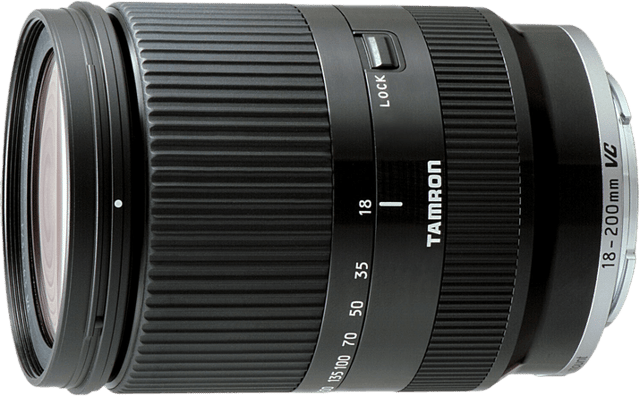
18–200 mm instead of 18–110 mm · f/3.5–6.3 instead of f/4
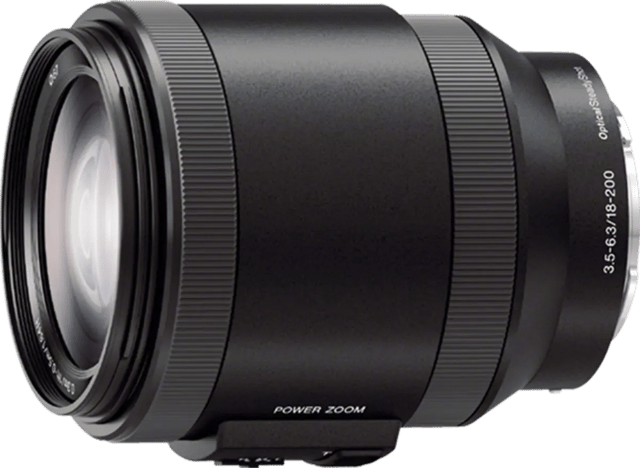
18–200 mm instead of 18–110 mm
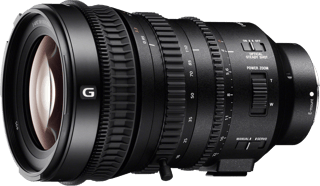
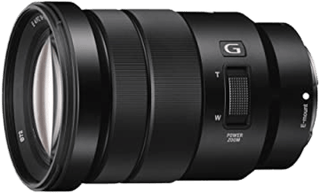
18–105 mm vs 18–110 mm · 427 g vs 1105 g
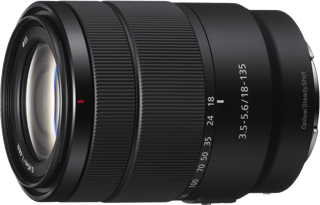
18–135 mm vs 18–110 mm · f/3.5 vs f/4 · 0.29× vs 0.12× close-up reach
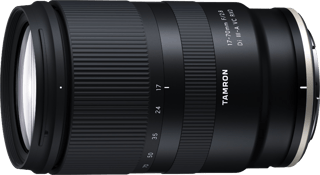
17–70 mm vs 18–110 mm · f/2.8 vs f/4 · 0.21× vs 0.12× close-up reach