
Other Brand
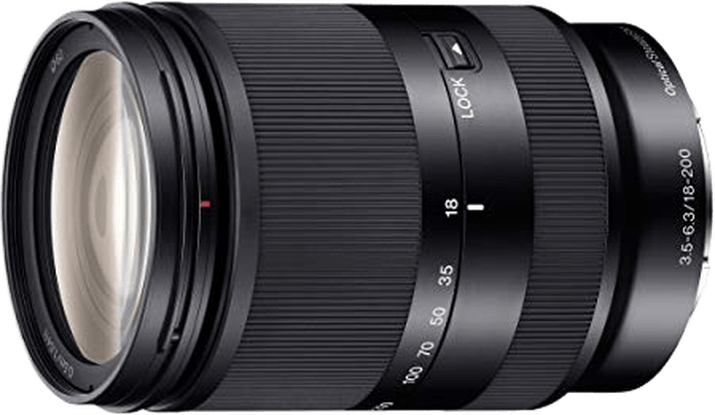
Sony · 18–200 mm · f/3.5–6.3 · Image Stabilization
This lens score is calculated from published specifications.
General | |
|---|---|
About This LensThis Sony superzoom suits APS-C E-mount bodies, and its 18–200mm range frames everything from crowded interiors to distant wildlife. That makes it a natural one-lens choice for travel and family days out, when swapping lenses is impractical. Street scenes, markets and holiday portraits all fall inside this span. Sony introduced this lens in 2012 and still produces it. That makes it an older design among current E-mount options, which is worth knowing before you buy. The trade-off for that range is light gathering. The aperture narrows as you zoom, so the long end needs brighter conditions or higher ISO settings. | |
| Brand | Sony |
| Release Year | 2012 |
Production Status ⓘCurrent status of lens manufacturing (e.g., in production, discontinued). |  In Production |
Lens Mount ⓘThe lens mount will tell you what type of lens range you can fit onto the camera body. Often the same camera company will have different lens ranges for different cameras. | Sony E |
System ⓘIndicates which camera system the lens is designed to attach to. | Sony E APS-C |
Maximum Format ⓘLargest sensor size compatible with the lens. |  APS-C |
Physical57/100 | |
About the BuildThe lens weighs 1 lb 0.2 oz (460 g), measures 2.68 in (68 mm) across and runs 3.82 in (97.1 mm) long. It stays comfortable on a small APS-C body all day. A 62mm screw-in filter fits directly on the front thread, so any polariser or ND filter you buy must match that size. | |
| Lens Weight | 460 g |
Lens Diameter ⓘWidth of the lens at its widest point | 68 mm |
Lens Length ⓘHow long the lens is from front to back. | 97.1 mm |
Front Filter Compatible ⓘSome lenses are compatible with front filters, some are compatible with back filters and some are compatible with both. Front filters are usually more convenient to add and remove. |  Yes |
Front Filter Size ⓘDiameter of attachable filters. | 62 mm |
Optics54/100 | |
About the OpticsThe 18mm end handles building interiors, street scenes and group pictures without stepping back. At 200mm, distant subjects grow large in the frame, which suits wildlife, outdoor sport from the sidelines and compressed landscape views. One twist of the rotary zoom ring carries you across the whole span. The maximum aperture starts at f/3.5 and falls to f/6.3 at the long end. In dim rooms that difference matters, because the telephoto setting passes much less light. You will often raise ISO or wait for brighter conditions at 200mm. For evening street work, stay near the wide end, where more light passes. Depth of field at these apertures runs deep. Separating a subject from a busy background is less easy than on a brighter prime, so this lens leans toward record-style travel pictures. Close focusing reaches 1.6 ft (50 cm). The maximum magnification of 0.27x also lets you fill a frame with flowers, food or market goods without carrying a second lens for detail shots. | |
Focal Range ⓘShortest to longest focal length of the lens (zoom range start - end ) | 18–200 mm |
Aperture Range ⓘLargest aperture at the lens's shortest focal length to longest focal length (aperture range start - end) | 3.5–6.3 |
| Focal Length Angle of View | 76.16528764323213°–8.06821090577544° |
Flange Focal Distance ⓘDistance from lens mount to sensor. | 18 mm |
Diaphragm Type ⓘStructure and design of the aperture |  Automatic |
Blades ⓘNumber of diaphragm blades in aperture | 7020 |
Zoom Lens ⓘZoom allows you to vary the focal length, change between long shots and close-ups |  Yes |
Zoom Mechanism ⓘSystem enabling zoom function |  Manual |
Zoom Ring ⓘIf zooming is adjusted using a zoom ring |  Yes |
Zoom Type ⓘThe design or approach to zooming |  Rotary |
Closest Focusing Distance ⓘMinimum distance for a subject to be in focus. | 50 cm01500 |
Maximum Magnification ⓘLargest size a subject can be reproduced | 0.27x |
| Autofocus Mode |  Yes |
| Manual Mode |  Yes |
| Manual Focusing Ring |  Yes |
Features41/100 | |
About the FeaturesOptical SteadyShot is the headline feature. Hand shake shows most at 200mm, and this stabilisation lets you use slower handheld shutter speeds there. That helps in shaded streets or late afternoon light. It also steadies handheld video. A zoom lock holds the barrel at its shortest setting. That stops the lens extending under its own weight on a shoulder strap. Release the lock before turning the zoom ring. There is no weather sealing, so keep rain and beach spray off the glass. The front element also lacks a fluorine coating, so wipe fingerprints gently. A simple rain cover is a practical safeguard. | |
Weather Sealing ⓘWeather sealing capabilities will give you more confidence when shooting in unfavourable conditions. | No |
Fluorine Coating ⓘCoating to repel water and oil from lens elements. | No |
| Built In Lens Hood | No |
| Lens Hood Type |  Petal |
Zoom Lock ⓘZoom lock allows the zoom ring to be locked at the desired focal length |  Yes |
Teleconverter ⓘA teleconverter (extender) is an extra piece of equipment that fits between the lens and the camera body to enhance magnification |  Yes |
| Image Stabilization | Yes |
IS Efficiency ⓘIS efficiency refers to the effectiveness of the image stabilization system in compensating for the blurring effects of camera shake, quantified by the number of stops of stabilization it provides. | 4 stops |
Construction54/100 | |
About the ConstructionThe formula includes aspherical elements. Their shaped surfaces help correct distortion, the fault that can bow straight walls and doorframes. That matters for wide interior shots of rooms and buildings. Low-dispersion glass also plays a part. It helps reduce chromatic aberration, where colours fringe along high-contrast edges such as dark branches against a bright sky. | |
Elements ⓘLens elements refer to individual pieces of glass within the lens. | 17 |
| Groups | 13 |
Aspherical Elements ⓘThe number of aspherical lens elements which can help correct aberrations such as spherical aberration. | 1 |
Bi Aspherical Elements ⓘElements with two non-spherical surfaces | 0 |
Low Dispersion ⓘElements that reduce chromatic aberration | 1 |
Super Low Dispersion ⓘAdvanced elements further reducing chromatic aberration | 0 |
CA Reduction ⓘBuilt-in features to reduce chromatic aberration | 0 |
Internal Focusing ⓘInternal Focusing means that the lens does not change in size during focusing, and the front element does not rotate. |  Yes |
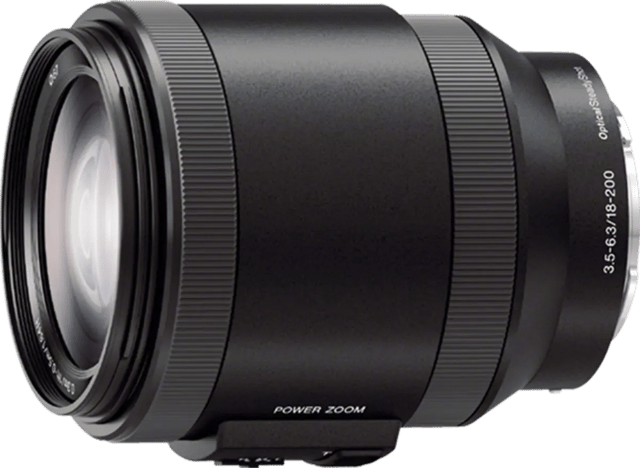
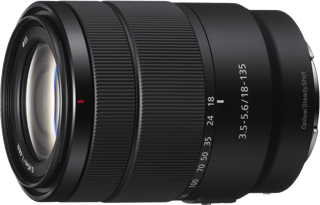
18–135 mm vs 18–200 mm · Telephoto f/5.6 vs f/6.3 · 325 g vs 460 g