Sigma Art Line
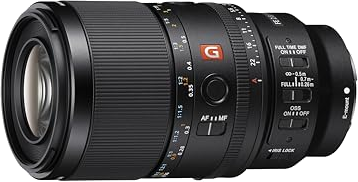
Sony · 100 mm · f/2.8 · GM · Image Stabilization
This product does not have an overall score yet.
General | |
|---|---|
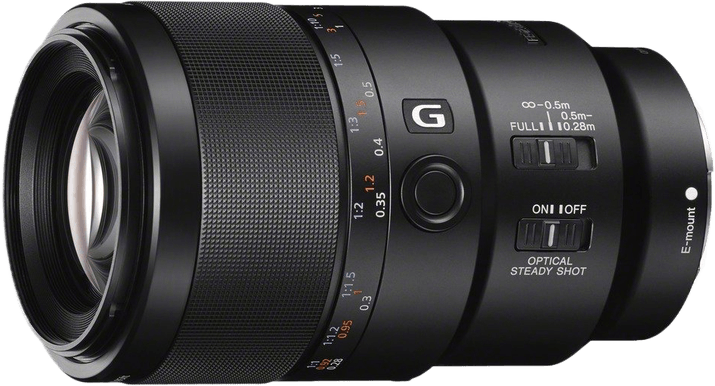
About This LensSony built this prime for its E mount, and it covers the full-frame format. It arrived in 2025 and remains in production. The 100mm focal length and very close focusing make it a macro lens first, aimed at insects, plants, small products and studio detail work. The same 100mm view and F2.8 maximum aperture also suit tight portraits, so one lens can serve two kinds of work. The trade-off is the fixed framing. You compose by moving, and the reward is frame-filling close focus on small subjects. Portrait sitters also get a comfortable working distance. | |
| Brand | Sony |
| Release Year | 2025 |
Production Status ⓘCurrent status of lens manufacturing (e.g., in production, discontinued). |  In Production In Production |
Pro Branding ⓘSpecific branding codes used for professional-tier lenses. | GM |
Lens Mount ⓘThe lens mount will tell you what type of lens range you can fit onto the camera body. Often the same camera company will have different lens ranges for different cameras. | Sony E |
System ⓘIndicates which camera system the lens is designed to attach to. | Sony E |
Maximum Format ⓘLargest sensor size compatible with the lens. |  Full Frame Full Frame |
Physical | |
About the BuildThe lens weighs 1 lb 6.8 oz (646 g). It measures 5.82 in (147.9 mm) long and 3.2 in (81.4 mm) wide. The front accepts screw-in filters, which must match the lens's 67mm thread. | |
| Lens Weight | 646 g |
Lens Diameter ⓘWidth of the lens at its widest point | 81.4 mm |
Lens Length ⓘHow long the lens is from front to back. | 147.9 mm |
Front Filter Compatible ⓘSome lenses are compatible with front filters, some are compatible with back filters and some are compatible with both. Front filters are usually more convenient to add and remove. |  Yes Yes |
Front Filter Size ⓘDiameter of attachable filters. | 67 mm |
Optics | |
About the OpticsA 100mm focal length keeps more air between you and the subject than a short macro lens. The closest focus sits at 0.9 ft (26 cm) from the sensor. Wary insects, frogs and garden flowers get less disturbance. The extra room keeps your shadow out of the light, and there is space for off-camera light to reach the subject. Maximum magnification reaches 1.4x, past the 1:1 life-size mark that defines true macro. Fine texture records larger than life, which suits jewellery, stamps and specimen work. Depth of field at that scale is extremely thin. Expect small apertures, careful focusing and a steady setup to become part of the routine. The maximum aperture is F2.8. At 100mm that still throws a background softly out of focus, enough for head-and-shoulders portraits and plant studies. At close range the aperture serves light control more than blur. Depth of field, not lens speed, sets the working limits here. Beyond close range, the 100mm view frames faces from a polite distance. Perspective stays natural, and there is room for lights around a sitter. | |
Focal Range ⓘShortest to longest focal length of the lens (zoom range start - end ) | 100 mm |
Aperture Range ⓘLargest aperture at the lens's shortest focal length to longest focal length (aperture range start - end) | 2.8 |
| Focal Length Angle of View | 24° |
Flange Focal Distance ⓘDistance from lens mount to sensor. | 18 mm |
Diaphragm Type ⓘStructure and design of the aperture |  Automatic Automatic |
Blades ⓘNumber of diaphragm blades in aperture | 11020 |
Zoom Lens ⓘZoom allows you to vary the focal length, change between long shots and close-ups | No |
Closest Focusing Distance ⓘMinimum distance for a subject to be in focus. | 26 cm01500 |
Maximum Magnification ⓘLargest size a subject can be reproduced | 1.4x |
| Autofocus Mode |  Yes Yes |
| Manual Mode |  Yes Yes |
| Manual Focusing Ring |  Yes Yes |
Features | |
About the FeaturesBuilt-in OSS steadies the camera during handheld work. The benefit shows most near 1.4x magnification, where a small wobble shifts the framing sharply. Handheld flower shots and quick field close-ups become more practical, and portraits at middle distance gain too. The lens accepts Sony's SEL14TC (1.4x) and SEL20TC (2.0x) teleconverters. The 2.0x unit doubles the effective focal length, adding reach for dragonflies and other wary subjects that will not let you close in. Each converter costs some light, so bright conditions suit them best. Weather sealing helps keep dust and moisture away from the working parts, a useful trait for dewy morning field work. A fluorine coating helps shed water and oil from the glass, so the front wipes clean easily after damp or muddy sessions. | |
Weather Sealing ⓘWeather sealing capabilities will give you more confidence when shooting in unfavourable conditions. |  Yes Yes |
Fluorine Coating ⓘCoating to repel water and oil from lens elements. |  Yes Yes |
| Built In Lens Hood | No |
| Lens Hood Type |  Round Round |
Teleconverter ⓘA teleconverter (extender) is an extra piece of equipment that fits between the lens and the camera body to enhance magnification |  Yes Yes |
| Image Stabilization | Yes |
Construction | |
About the ConstructionFocusing happens inside the barrel, so the length never changes while you fine-tune focus, and nothing extends toward a live subject. Two aspherical elements help correct distortion and spherical aberration. Two low-dispersion elements help reduce colour fringes along high-contrast edges such as sunlit leaf rims. | |
Elements ⓘLens elements refer to individual pieces of glass within the lens. | 17 |
| Groups | 13 |
Aspherical Elements ⓘThe number of aspherical lens elements which can help correct aberrations such as spherical aberration. | 2 |
Bi Aspherical Elements ⓘElements with two non-spherical surfaces | 0 |
Low Dispersion ⓘElements that reduce chromatic aberration | 2 |
Super Low Dispersion ⓘAdvanced elements further reducing chromatic aberration | 0 |
CA Reduction ⓘBuilt-in features to reduce chromatic aberration | 0 |
Internal Focusing ⓘInternal Focusing means that the lens does not change in size during focusing, and the front element does not rotate. |  Yes Yes |