
Sigma Art Line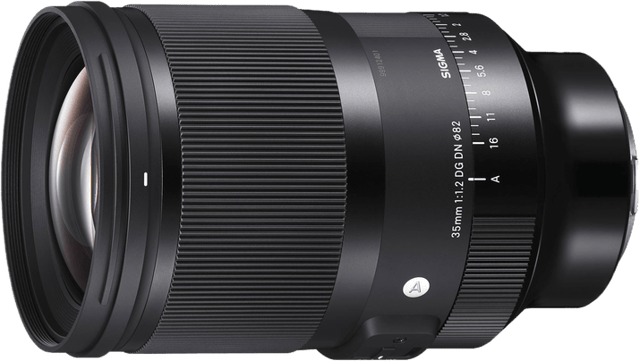
Sigma 35mm F/1.2 DG DN | A
f/1.2 instead of f/1.4
ZEISS · 35 mm · f/1.4
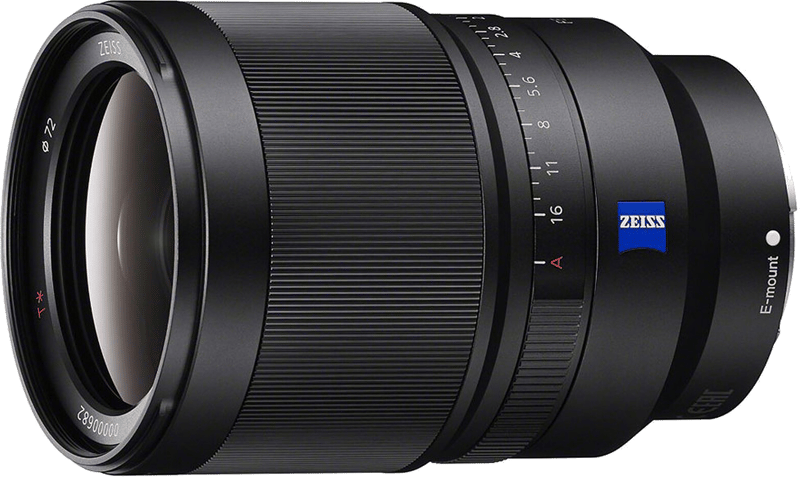
This lens score is calculated from published specifications.
General | |
|---|---|
About This LensThis ZEISS Distagon is a 35mm prime for full-frame Sony E bodies. It suits street photography, reportage and environmental portraits. It also handles groups indoors, where a wider lens would stretch faces at the edges. On an APS-C E body it works as a normal-length lens. The f/1.4 aperture is the main draw. It keeps the lens working in dim interiors and evening streets where slower designs struggle. The trade-off is weight and a short list of extra features. ZEISS launched this design in 2015, and it remains in production today. You are buying an older, established design rather than a fresh release. | |
| Brand | ZEISS |
| Release Year | 2015 |
Production Status ⓘCurrent status of lens manufacturing (e.g., in production, discontinued). |  In Production |
Lens Mount ⓘThe lens mount will tell you what type of lens range you can fit onto the camera body. Often the same camera company will have different lens ranges for different cameras. | Sony E |
System ⓘIndicates which camera system the lens is designed to attach to. | Sony E |
Maximum Format ⓘLargest sensor size compatible with the lens. |  Full Frame |
Physical64/100 | |
About the BuildThe lens weighs 1 lb 6.2 oz (630 g). It measures 3.09 in (78.5 mm) across and 4.41 in (112 mm) long, making it a substantial piece for a single focal length. Weight is felt most after a full day of walking. Screw-in filters attach directly to the front. Pick 72mm filters if you want a polariser for daytime street work. | |
| Lens Weight | 630 g |
Lens Diameter ⓘWidth of the lens at its widest point | 78.5 mm |
Lens Length ⓘHow long the lens is from front to back. | 112 mm |
Front Filter Compatible ⓘSome lenses are compatible with front filters, some are compatible with back filters and some are compatible with both. Front filters are usually more convenient to add and remove. |  Yes |
Front Filter Size ⓘDiameter of attachable filters. | 72 mm |
Optics87/100 | |
About the OpticsA 35mm lens on a full-frame camera frames the world with a little more width than a standard view. That makes it a natural choice for street scenes and interiors. For events, that width lets you work in crowded rooms where stepping back is impossible. You can stand close and still include the surroundings, so a portrait keeps its setting. The f/1.4 maximum aperture is the lens's greatest photographic asset. It gathers much more light than a zoom that stops at f/2.8. In a candlelit restaurant or a late-night market, you can keep ISO low and retain colour and detail. At f/1.4 the depth of field is thin. A subject separates from a busy background while keeping some context, which suits reportage and events. Stop down to f/2.8 for small groups and more of the frame stays sharp. The nine aperture blades help out-of-focus highlights stay round when you stop down. Closest focus sits at 1 ft (30 cm). You can approach a still-life arrangement or a face for a tighter frame. For street work, that is near enough for a shop-front display without stepping into traffic. Maximum magnification is 0.18x. | |
Focal Range ⓘShortest to longest focal length of the lens (zoom range start - end ) | 35 mm |
Aperture Range ⓘLargest aperture at the lens's shortest focal length to longest focal length (aperture range start - end) | 1.4 |
| Focal Length Angle of View | 63.44° |
Flange Focal Distance ⓘDistance from lens mount to sensor. | 18 mm |
Diaphragm Type ⓘStructure and design of the aperture |  Automatic |
Blades ⓘNumber of diaphragm blades in aperture | 9020 |
Zoom Lens ⓘZoom allows you to vary the focal length, change between long shots and close-ups | No |
Closest Focusing Distance ⓘMinimum distance for a subject to be in focus. | 30 cm01500 |
Maximum Magnification ⓘLargest size a subject can be reproduced | 0.18x |
| Autofocus Mode |  Yes |
| Manual Mode |  Yes |
| Manual Focusing Ring |  Yes |
Features32/100 | |
About the FeaturesThe lens is weather sealed, which helps keep dust and moisture away from the optics. That cover suits outdoor reportage, from drizzle on a street corner to dust at a summer fair. There is no built-in image stabilisation. Handheld work in dim light rests on the f/1.4 aperture and a sensible shutter speed. On a tripod, or with flash, the gap matters little. Handheld video in low light will show the difference more clearly. There is no fluorine coating on this lens. The features specification score is 32 out of 100. | |
Weather Sealing ⓘWeather sealing capabilities will give you more confidence when shooting in unfavourable conditions. |  Yes |
Fluorine Coating ⓘCoating to repel water and oil from lens elements. | No |
| Built In Lens Hood | No |
| Lens Hood Type |  Petal |
Teleconverter ⓘA teleconverter (extender) is an extra piece of equipment that fits between the lens and the camera body to enhance magnification | No |
| Image Stabilization | No |
Construction15/100 | |
About the ConstructionThe 12 elements in 8 groups include aspherical surfaces. These specially shaped surfaces help correct optical faults, including distortion and spherical aberration. Distortion can make straight edges appear curved, which is worth knowing when architecture fills the frame at 35mm. | |
Elements ⓘLens elements refer to individual pieces of glass within the lens. | 12 |
| Groups | 8 |
Aspherical Elements ⓘThe number of aspherical lens elements which can help correct aberrations such as spherical aberration. | 1 |
Bi Aspherical Elements ⓘElements with two non-spherical surfaces | 0 |
Low Dispersion ⓘElements that reduce chromatic aberration | 0 |
Super Low Dispersion ⓘAdvanced elements further reducing chromatic aberration | 0 |
CA Reduction ⓘBuilt-in features to reduce chromatic aberration | 0 |
Internal Focusing ⓘInternal Focusing means that the lens does not change in size during focusing, and the front element does not rotate. | No |
f/1.2 instead of f/1.4
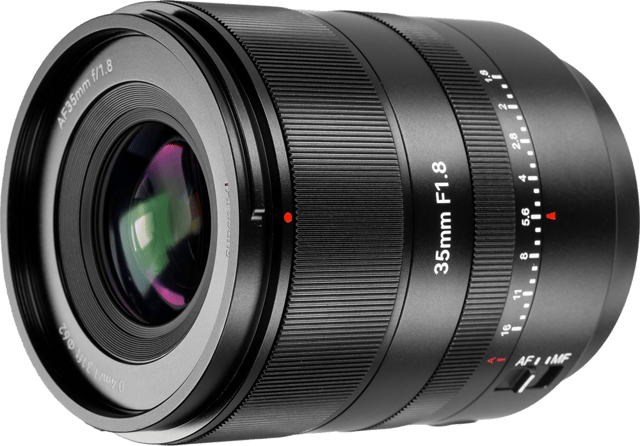
f/1.8 instead of f/1.4
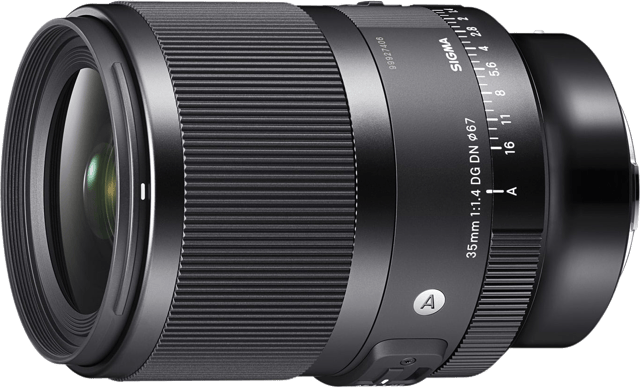
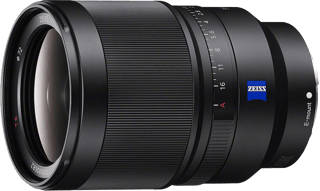
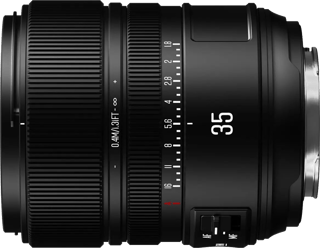
f/1.8 vs f/1.4 · 0.13× vs 0.18× close-up reach · 420 g vs 630 g
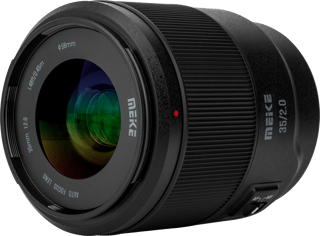
f/2 vs f/1.4 · 0.09× vs 0.18× close-up reach · 298 g vs 630 g
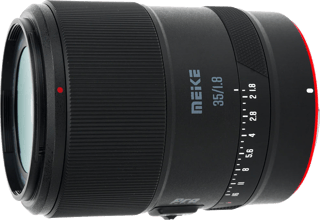
f/1.8 vs f/1.4 · 0.13× vs 0.18× close-up reach · 400 g vs 630 g