
Zoom Flexibility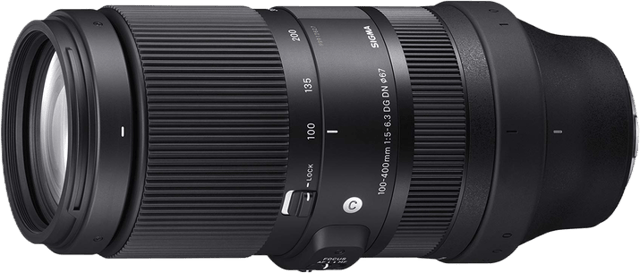
Sigma 100-400mm F/5-6.3 DG DN OS | C
100–400 mm zoom instead of 400 mm prime
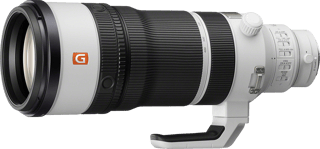
Sony · 400 mm · f/2.8 · GM · Image Stabilization
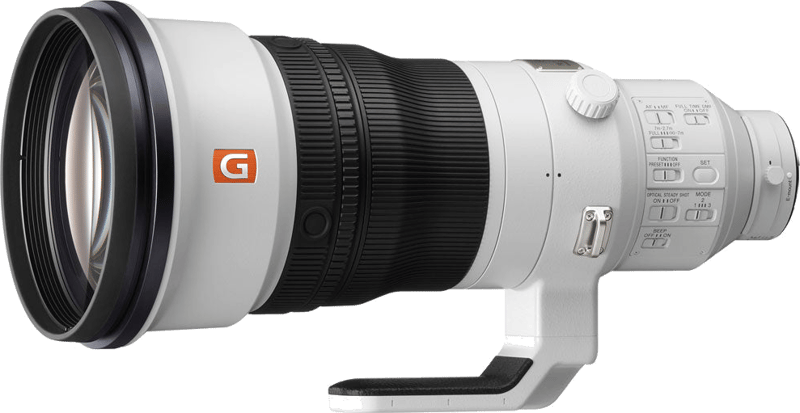
This lens score is calculated from published specifications.
General | |
|---|---|
About This LensThis Sony prime is made for distant subjects. It fits Sony E mount and covers full frame. Wildlife specialists, outdoor sports shooters and news photographers are its natural users. A 400mm f/2.8 serves anyone who must work far from the action in fading light. Sony introduced this lens in 2018. Its purpose comes from the 400mm focal length and f/2.8 aperture. It suits subjects that remain beyond the reach of a shorter lens from the same position. The trade-offs are weight and a fixed focal length. Plan your position before the action starts. A wider lens helps when a large subject comes close or you want to show more of its surroundings. | |
| Brand | Sony |
| Release Year | 2018 |
Production Status ⓘCurrent status of lens manufacturing (e.g., in production, discontinued). |  In Production In Production |
Pro Branding ⓘSpecific branding codes used for professional-tier lenses. | GM |
Lens Mount ⓘThe lens mount will tell you what type of lens range you can fit onto the camera body. Often the same camera company will have different lens ranges for different cameras. | Sony E |
System ⓘIndicates which camera system the lens is designed to attach to. | Sony E |
Maximum Format ⓘLargest sensor size compatible with the lens. |  Full Frame Full Frame |
Physical92/100 | |
About the BuildThe lens weighs 6 lb 6.1 oz (2895 g), with a body 14.13 in (359 mm) long and 6.22 in (158.1 mm) across. A monopod or tripod can take the load during long sessions. Check the support before releasing your grip. There is no front screw-in filter thread. Instead, the lens has a drop-in holder for compatible filters. This lets you use filters without placing a large sheet in front of the glass. | |
| Lens Weight | 2895 g |
Lens Diameter ⓘWidth of the lens at its widest point | 158.1 mm |
Lens Length ⓘHow long the lens is from front to back. | 359 mm |
Front Filter Compatible ⓘSome lenses are compatible with front filters, some are compatible with back filters and some are compatible with both. Front filters are usually more convenient to add and remove. | No |
Optics81/100 | |
About the OpticsAt 400mm, a distant bird or athlete appears larger than with a shorter lens from the same position. How much of the frame it fills depends on its size and distance. If you cannot move, another lens or a later crop can change the framing. The f/2.8 maximum aperture gives more room for a faster shutter speed or lower ISO than a smaller opening. That helps under floodlights or at dusk. Available light and the speed of a moving subject still determine the settings needed. At close portrait distances, f/2.8 can give a thin zone of sharp focus. A background well behind the subject can become soft. Place focus on the eye that matters most, then stop down when several subjects at different distances must stay sharp. Closest focus is 8.9 ft (270 cm), measured from the sensor. Anything nearer is too close to focus. That limit does not determine a suitable approach distance for wildlife. Leave animals enough space. Eleven aperture blades shape the opening as you stop down. | |
Focal Range ⓘShortest to longest focal length of the lens (zoom range start - end ) | 400 mm |
Aperture Range ⓘLargest aperture at the lens's shortest focal length to longest focal length (aperture range start - end) | 2.8 |
| Focal Length Angle of View | 6.19° |
Flange Focal Distance ⓘDistance from lens mount to sensor. | 18 mm |
Diaphragm Type ⓘStructure and design of the aperture |  Automatic Automatic |
Blades ⓘNumber of diaphragm blades in aperture | 11020 |
Zoom Lens ⓘZoom allows you to vary the focal length, change between long shots and close-ups | No |
Closest Focusing Distance ⓘMinimum distance for a subject to be in focus. | 270 cm01500 |
Maximum Magnification ⓘLargest size a subject can be reproduced | 0.16x |
| Autofocus Mode |  Yes Yes |
| Manual Mode |  Yes Yes |
| Manual Focusing Ring |  Yes Yes |
Features88/100 | |
About the FeaturesImage stabilisation is built in. It helps against camera shake in the viewfinder and in the frame at slow shutter speeds. For a running animal, a fast shutter still does the work, since stabilisation steadies the camera rather than the subject. Dust and moisture resistance help during outdoor work. Use cover in persistent rain. A fluorine coating helps water and oily marks wipe away from the glass. Remove loose grit before cleaning after work beside a dusty track. | |
Weather Sealing ⓘWeather sealing capabilities will give you more confidence when shooting in unfavourable conditions. |  Yes Yes |
Fluorine Coating ⓘCoating to repel water and oil from lens elements. |  Yes Yes |
| Built In Lens Hood | No |
| Lens Hood Type |  Round Round |
Teleconverter ⓘA teleconverter (extender) is an extra piece of equipment that fits between the lens and the camera body to enhance magnification |  Yes Yes |
| Image Stabilization | Yes |
IS Efficiency ⓘIS efficiency refers to the effectiveness of the image stabilization system in compensating for the blurring effects of camera shake, quantified by the number of stops of stabilization it provides. | 3 stops |
Construction31/100 | |
About the ConstructionThe optical design includes three fluorite elements and ED glass. These help reduce chromatic aberration, where different colours focus differently and leave fringes along high-contrast edges. Dark feathers against bright water are one place these fringes can appear. The component types explain part of the correction, without proving measured image quality. | |
Elements ⓘLens elements refer to individual pieces of glass within the lens. | 23 |
| Groups | 17 |
Aspherical Elements ⓘThe number of aspherical lens elements which can help correct aberrations such as spherical aberration. | 0 |
Bi Aspherical Elements ⓘElements with two non-spherical surfaces | 0 |
Low Dispersion ⓘElements that reduce chromatic aberration | 1 |
Super Low Dispersion ⓘAdvanced elements further reducing chromatic aberration | 0 |
CA Reduction ⓘBuilt-in features to reduce chromatic aberration | 3 |
Internal Focusing ⓘInternal Focusing means that the lens does not change in size during focusing, and the front element does not rotate. | No |
100–400 mm zoom instead of 400 mm prime
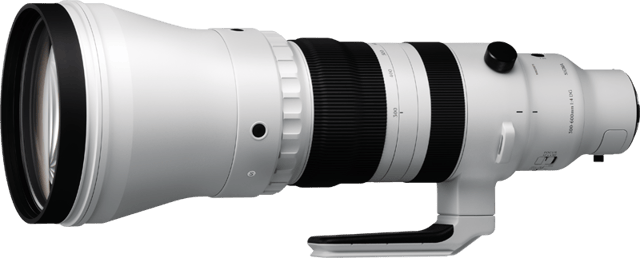
300–600 mm zoom instead of 400 mm prime
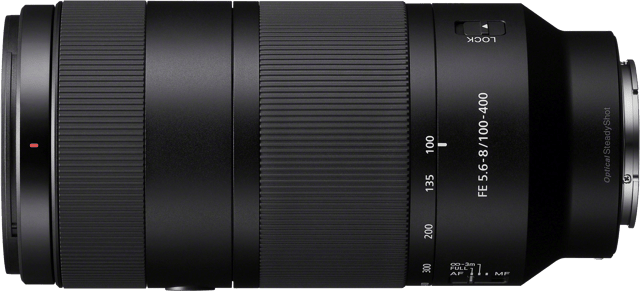
100–400 mm instead of 400 mm
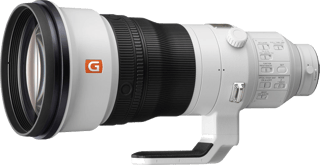
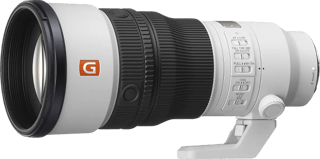
f/4.5 vs f/2.8 · 994 g vs 2895 g
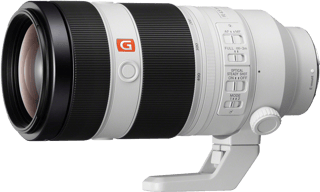
100–400 mm vs 400 mm · f/4.5 vs f/2.8 · 0.35× vs 0.16× close-up reach
100–400 mm vs 400 mm · f/4.5 vs f/2.8 · 0.25× vs 0.16× close-up reach