
Other Brand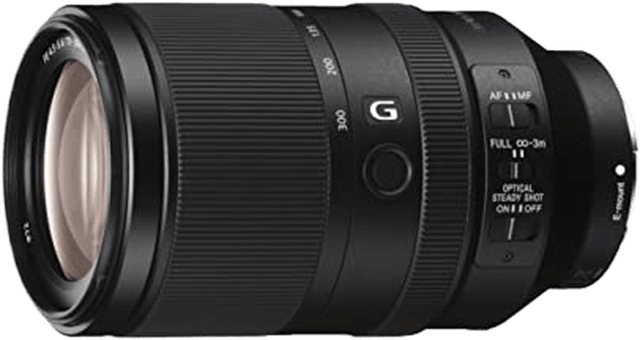
Sony FE 70-300mm F/4.5-5.6 G OSS SEL70300G
f/4.5–5.6 instead of f/4.5–6.3
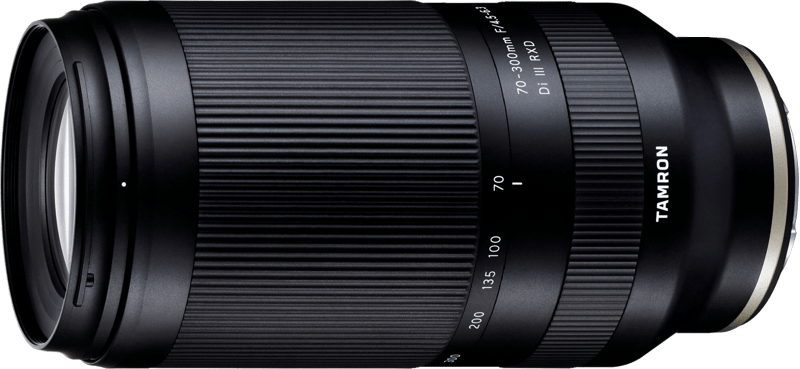
Tamron · 70–300 mm · f/4.5–6.3
This lens score is calculated from published specifications.
General | |
|---|---|
About This LensThis Tamron telephoto zoom brings 300mm reach to full-frame mirrorless cameras. It comes in separate Nikon Z and Sony E versions, so pick the one made for your system. At 70mm it frames portraits and stage performances tightly. At 300mm it makes distant wildlife, birds and outdoor sport fill the frame. The Nikon Z version was released in 2022 and remains in production. That Nikon Z body weighs 1 lb 4.5 oz (580 g), which keeps the carrying load low on long days. The trade-off is a modest maximum aperture and no built-in stabilization, so it suits daylight and steady handheld technique. | |
| Brand | Tamron |
| Release Year | 2020 |
Production Status ⓘCurrent status of lens manufacturing (e.g., in production, discontinued). |  In Production |
Version ⓘThe iteration or release number of a particular lens model. | III |
Lens Mount ⓘThe lens mount will tell you what type of lens range you can fit onto the camera body. Often the same camera company will have different lens ranges for different cameras. | Sony E |
System ⓘIndicates which camera system the lens is designed to attach to. | Sony E |
Maximum Format ⓘLargest sensor size compatible with the lens. |  Full Frame |
Physical64/100 | |
About the BuildAt 5.92 in (150.3 mm) long for the Nikon Z version and 3.03 in (77 mm) wide, it stays manageable on a mirrorless body. The 67mm front thread takes screw-in filters directly, so a polariser or ND filter needs no adapter ring. | |
| Lens Weight | 545 g |
Lens Diameter ⓘWidth of the lens at its widest point | 77 mm |
Lens Length ⓘHow long the lens is from front to back. | 148 mm |
Front Filter Compatible ⓘSome lenses are compatible with front filters, some are compatible with back filters and some are compatible with both. Front filters are usually more convenient to add and remove. |  Yes |
Front Filter Size ⓘDiameter of attachable filters. | 67 mm |
Optics50/100 | |
About the OpticsThe 70–300mm range handles most telephoto situations without lens changes. Around 70mm it suits candid portraits and stage work. The long end makes distant subjects large, so birds, surfers and field sport dominate the frame. The zoom also lets you recompose from one position, which helps when a hide or a boundary fence fixes where you stand. Maximum aperture runs from f/4.5 at 70mm to f/6.3 at 300mm, so the long end needs good light. The short end is brighter, which helps as the afternoon fades. In weak winter light, expect higher ISO settings or a support to keep shutter speeds usable. Its optics specification score is 50/100. Even at f/6.3, the 300mm setting compresses distance and softens far backgrounds. A perched bird or a striker at the edge of the pitch stands out clearly at full reach. Depth of field is also generous at long shooting distances, which helps keep more of the subject sharp. The lens focuses down to 2.6 ft (80 cm), handy for a subject at a feeder or an enclosure rail. | |
Focal Range ⓘShortest to longest focal length of the lens (zoom range start - end ) | 70–300 mm |
Aperture Range ⓘLargest aperture at the lens's shortest focal length to longest focal length (aperture range start - end) | 4.5–6.3 |
| Focal Length Angle of View | 34.34976958695978°–8.249679364443303° |
Flange Focal Distance ⓘDistance from lens mount to sensor. | 18 mm |
Diaphragm Type ⓘStructure and design of the aperture |  Automatic |
Blades ⓘNumber of diaphragm blades in aperture | 7020 |
Zoom Lens ⓘZoom allows you to vary the focal length, change between long shots and close-ups |  Yes |
Zoom Mechanism ⓘSystem enabling zoom function |  Manual |
Zoom Ring ⓘIf zooming is adjusted using a zoom ring |  Yes |
Zoom Type ⓘThe design or approach to zooming |  Rotary |
Closest Focusing Distance ⓘMinimum distance for a subject to be in focus. | 80 cm01500 |
Maximum Magnification ⓘLargest size a subject can be reproduced | 0.2x |
| Autofocus Mode |  Yes |
| Manual Mode |  Yes |
| Manual Focusing Ring |  Yes |
Features52/100 | |
About the FeaturesThe lens is weather sealed, which helps keep dust and moisture away from the internals. That design reduces the risk of dust and moisture getting in during outdoor shoots compared with an unsealed lens. There is no built-in stabilization. At 300mm, small camera movements show up clearly, so use a fast shutter speed or a monopod for sharp results. Cameras with in-body stabilization lose less from this, but the lens itself offers no help. A fluorine coating, which is designed to repel water and oil, is absent from the front glass. | |
Weather Sealing ⓘWeather sealing capabilities will give you more confidence when shooting in unfavourable conditions. |  Yes |
Fluorine Coating ⓘCoating to repel water and oil from lens elements. | No |
| Built In Lens Hood | No |
| Lens Hood Type |  Round |
Zoom Lock ⓘZoom lock allows the zoom ring to be locked at the desired focal length | No |
Teleconverter ⓘA teleconverter (extender) is an extra piece of equipment that fits between the lens and the camera body to enhance magnification |  Yes |
| Image Stabilization | No |
Construction38/100 | |
About the ConstructionThis lens uses low-dispersion glass among its elements. The glass helps reduce chromatic aberration, where colours focus at slightly different points and leave purple or green fringes along high-contrast edges. On a backlit bird against a pale sky, such fringing would show up most. Focusing moves internal groups rather than the whole barrel. | |
Elements ⓘLens elements refer to individual pieces of glass within the lens. | 15 |
| Groups | 10 |
Aspherical Elements ⓘThe number of aspherical lens elements which can help correct aberrations such as spherical aberration. | 0 |
Bi Aspherical Elements ⓘElements with two non-spherical surfaces | 0 |
Low Dispersion ⓘElements that reduce chromatic aberration | 1 |
Super Low Dispersion ⓘAdvanced elements further reducing chromatic aberration | 0 |
CA Reduction ⓘBuilt-in features to reduce chromatic aberration | 0 |
Internal Focusing ⓘInternal Focusing means that the lens does not change in size during focusing, and the front element does not rotate. |  Yes |
f/4.5–5.6 instead of f/4.5–6.3
70–200 mm vs 70–300 mm · f/2.8 vs f/4.5 · Adds lens stabilization
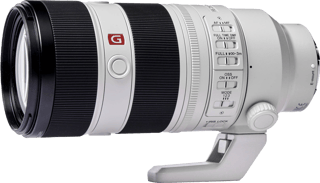
70–200 mm vs 70–300 mm · f/2.8 vs f/4.5 · 0.3× vs 0.2× close-up reach