
Longer Reach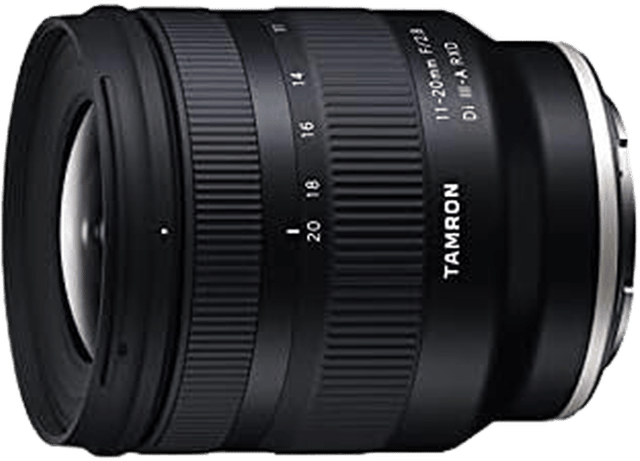
Tamron 11-20mm F/2.8 Di III-A RXD B060
11–20 mm instead of 11–18 mm
Tokina · 11–18 mm · f/2.8
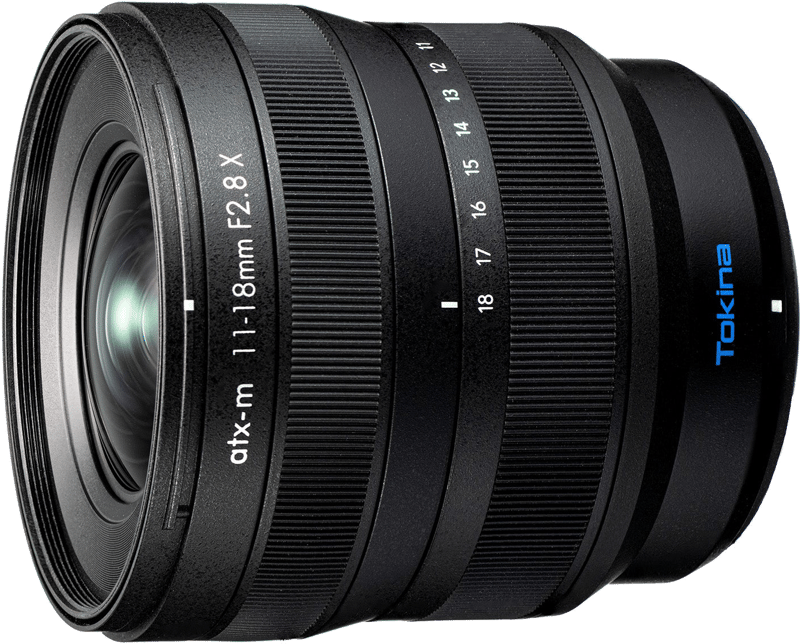
This lens score is calculated from published specifications.
General | |
|---|---|
About This LensThe Tokina atx-m 11-18mm f/2.8 is an ultra-wide zoom for Fujifilm X APS-C cameras. That makes it a fit for architecture, interiors and landscapes, where a wide view matters more than reach. The short zoom lets you fine-tune how much of the scene fits in the frame. Tokina launched the lens in 2025, and it remains in production. Its bright, constant aperture is the main draw. The trade-off is a short convenience list, and the biggest gap is the lack of built-in stabilisation, which Features covers below. Handheld shooters in dim light should plan for that. | |
| Brand | Tokina |
| Release Year | 2025 |
Production Status ⓘCurrent status of lens manufacturing (e.g., in production, discontinued). |  In Production In Production |
Lens Mount ⓘThe lens mount will tell you what type of lens range you can fit onto the camera body. Often the same camera company will have different lens ranges for different cameras. | Fujifilm X |
System ⓘIndicates which camera system the lens is designed to attach to. | Fujifilm X |
Maximum Format ⓘLargest sensor size compatible with the lens. |  APS-C APS-C |
Physical57/100 | |
About the BuildThe lens weighs 11.3 oz (320 g) and measures 2.93 in (74.4 mm) across and long. That compact build suits a small X-mount body. The 67mm front thread takes screw-in filters directly, so a polariser or ND must match that thread size. | |
| Lens Weight | 320 g |
Lens Diameter ⓘWidth of the lens at its widest point | 74.4 mm |
Lens Length ⓘHow long the lens is from front to back. | 74.4 mm |
Front Filter Compatible ⓘSome lenses are compatible with front filters, some are compatible with back filters and some are compatible with both. Front filters are usually more convenient to add and remove. |  Yes Yes |
Front Filter Size ⓘDiameter of attachable filters. | 67 mm |
Optics80/100 | |
About the OpticsAt 11mm you can frame an entire room, a church nave or a rock formation from close range, keeping foreground and surroundings in one shot. Wide angles also stretch near objects, so a foreground boulder or doorway gains emphasis. At 18mm the effect calms, which suits building facades and group scenes where 11mm pushes the perspective too hard. The f/2.8 maximum stays available through the whole zoom. That brightness keeps shutter speeds workable inside cathedrals, at dusk or under street lights. Your exposure also holds steady as you zoom, so you can set aperture and shutter once and reframe freely. For night-sky work at 11mm, the wide aperture helps gather faint starlight. Closest focus is 0.6 ft (19 cm). That near focus pairs well with 11mm. You can set the lens close to a floor tile or tide-pool edge and still show the scene around it. Maximum magnification is 0.11x, so wide context, not a filled frame, is the realistic result up close. Our optics score for this lens is 80 out of 100. | |
Focal Range ⓘShortest to longest focal length of the lens (zoom range start - end ) | 11–18 mm |
Aperture Range ⓘLargest aperture at the lens's shortest focal length to longest focal length (aperture range start - end) | 2.8 |
| Focal Length Angle of View | 104.3°–76.7° |
Flange Focal Distance ⓘDistance from lens mount to sensor. | 17.7 mm |
Diaphragm Type ⓘStructure and design of the aperture |  Automatic Automatic |
Blades ⓘNumber of diaphragm blades in aperture | 9020 |
Zoom Lens ⓘZoom allows you to vary the focal length, change between long shots and close-ups |  Yes Yes |
Zoom Mechanism ⓘSystem enabling zoom function |  Manual Manual |
Zoom Ring ⓘIf zooming is adjusted using a zoom ring |  Yes Yes |
Zoom Type ⓘThe design or approach to zooming |  Rotary Rotary |
Closest Focusing Distance ⓘMinimum distance for a subject to be in focus. | 19 cm01500 |
Maximum Magnification ⓘLargest size a subject can be reproduced | 0.11x |
| Autofocus Mode |  Yes Yes |
| Manual Mode |  Yes Yes |
| Manual Focusing Ring |  Yes Yes |
Features32/100 | |
About the FeaturesThe lens is weather-sealed, so the build helps keep dust and moisture away from internal parts. That protection suits coastal sunrises, desert tracks and rainy street scenes, the kind of conditions wide-angle work often invites. There is no built-in image stabilisation. At these focal lengths, shake shows at slower shutter speeds than it would on a telephoto, so the gap costs you less. For long exposures after dark, rest the camera on a tripod or a solid support instead. There is no fluorine coating either, so spray and fingerprints may cling and need wiping. Our features score for this lens is 32 out of 100. | |
Weather Sealing ⓘWeather sealing capabilities will give you more confidence when shooting in unfavourable conditions. |  Yes Yes |
Fluorine Coating ⓘCoating to repel water and oil from lens elements. | No |
| Built In Lens Hood | No |
| Lens Hood Type |  Petal Petal |
Teleconverter ⓘA teleconverter (extender) is an extra piece of equipment that fits between the lens and the camera body to enhance magnification | No |
| Image Stabilization | No |
Construction56/100 | |
About the ConstructionThirteen elements in 11 groups include two aspherical elements, whose shaped surfaces help correct distortion, where straight edges appear curved. At 11mm, walls and doorframes are the edges most at risk. Two low-dispersion and two super-low-dispersion elements help reduce chromatic aberration. These coloured fringes can appear along high-contrast edges, such as branches against a bright sky. Focusing is internal, so the barrel does not extend as you focus. | |
Elements ⓘLens elements refer to individual pieces of glass within the lens. | 13 |
| Groups | 11 |
Aspherical Elements ⓘThe number of aspherical lens elements which can help correct aberrations such as spherical aberration. | 2 |
Bi Aspherical Elements ⓘElements with two non-spherical surfaces | 0 |
Low Dispersion ⓘElements that reduce chromatic aberration | 2 |
Super Low Dispersion ⓘAdvanced elements further reducing chromatic aberration | 2 |
CA Reduction ⓘBuilt-in features to reduce chromatic aberration | 0 |
Internal Focusing ⓘInternal Focusing means that the lens does not change in size during focusing, and the front element does not rotate. |  Yes Yes |
11–20 mm instead of 11–18 mm
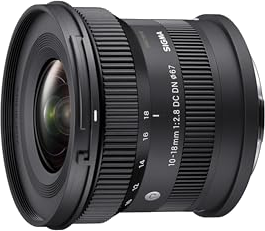
10–18 mm instead of 11–18 mm
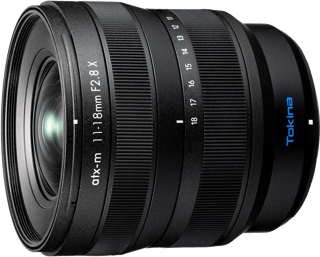
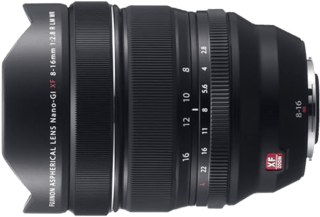
8–16 mm vs 11–18 mm · 805 g vs 320 g · Closest focus 25 cm vs 19 cm