
Higher Magnification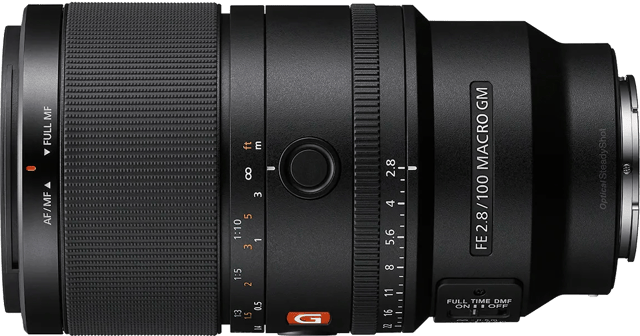
Sony FE 100mm F2.8 Macro GM OSS
1.4× instead of 1× maximum magnification
Tokina · 100 mm · f/2.8
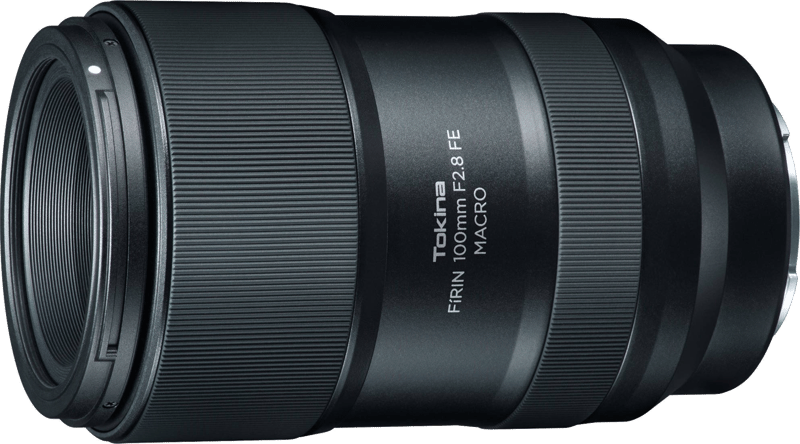
This lens score is calculated from published specifications.
General | |
|---|---|
About This LensThe FiRIN 100mm F/2.8 FE Macro is a prime for Sony E full-frame cameras. Its 1x maximum magnification makes it a true life-size macro rather than a close-focus lens. It suits flowers, insects, product shots and other small subjects. Tokina introduced the lens in 2019, and it remains in production today. At ordinary distances the 100mm focal length also works for portraits and detail shots, so one lens covers two kinds of work. The trade-off sits in the feature set. There is no stabilisation and no weather sealing, so steady support and careful handling matter when you work outdoors or in low light. Buyers who shoot mostly from a tripod give up little here. | |
| Brand | Tokina |
| Release Year | 2019 |
Production Status ⓘCurrent status of lens manufacturing (e.g., in production, discontinued). |  In Production |
Lens Mount ⓘThe lens mount will tell you what type of lens range you can fit onto the camera body. Often the same camera company will have different lens ranges for different cameras. | Sony E |
System ⓘIndicates which camera system the lens is designed to attach to. | Sony E |
Maximum Format ⓘLargest sensor size compatible with the lens. |  Full Frame |
Physical64/100 | |
About the BuildThe lens weighs 1 lb 4.1 oz (570 g) and measures 4.84 in (123 mm) long and 2.91 in (74 mm) wide. Those are manageable figures for a full-frame macro, so the lens travels easily enough. Screw-in filters attach directly and must match the 55mm thread, a size that keeps filters modest. | |
| Lens Weight | 570 g |
Lens Diameter ⓘWidth of the lens at its widest point | 74 mm |
Lens Length ⓘHow long the lens is from front to back. | 123 mm |
Front Filter Compatible ⓘSome lenses are compatible with front filters, some are compatible with back filters and some are compatible with both. Front filters are usually more convenient to add and remove. |  Yes |
Front Filter Size ⓘDiameter of attachable filters. | 55 mm |
Optics82/100 | |
About the OpticsOn a full-frame sensor, 100mm is a comfortable macro focal length. It lets you fill the frame with a small subject while keeping some distance, which matters for insects and other easily startled subjects. You also keep your shadow and the camera off the light falling on the subject. Maximum magnification reaches 1x, so a subject is recorded on the sensor at its actual size. Fine texture and small structure carry into the frame at that scale. The closest focusing distance is 1 ft (30 cm). Depth of field is the central challenge. At life size it becomes razor thin, and stopping down only partly widens it. Expect careful focus placement and small apertures for close-up frames. Focus stacking is the usual answer when you need more of a subject sharp. At ordinary distances the f/2.8 maximum aperture helps in modest light and separates a portrait subject from a busy background. The nine-blade aperture keeps the opening round as you stop down, which helps out-of-focus highlights stay smooth. Our optics score for this lens is 82. | |
Focal Range ⓘShortest to longest focal length of the lens (zoom range start - end ) | 100 mm |
Aperture Range ⓘLargest aperture at the lens's shortest focal length to longest focal length (aperture range start - end) | 2.8 |
| Focal Length Angle of View | 24.415582858783463° |
Flange Focal Distance ⓘDistance from lens mount to sensor. | 18 mm |
Diaphragm Type ⓘStructure and design of the aperture |  Automatic |
Blades ⓘNumber of diaphragm blades in aperture | 9020 |
Zoom Lens ⓘZoom allows you to vary the focal length, change between long shots and close-ups | No |
Closest Focusing Distance ⓘMinimum distance for a subject to be in focus. | 30 cm01500 |
Maximum Magnification ⓘLargest size a subject can be reproduced | 1x |
| Autofocus Mode |  Yes |
| Manual Mode |  Yes |
| Manual Focusing Ring |  Yes |
Features19/100 | |
About the FeaturesThe lens has no image stabilisation. At 100mm, and even more near life-size magnification, small camera movements show clearly in the frame. A tripod or another firm support is the practical route to sharp close-ups. There is no weather sealing, so keep the lens away from rain, spray and heavy dust. That matters if you shoot damp gardens or dusty trails. The front element also has no fluorine coating, so expect ordinary cleaning care. None of these gaps stops good work; each just asks for a little planning. The features score for this lens is 19. | |
Weather Sealing ⓘWeather sealing capabilities will give you more confidence when shooting in unfavourable conditions. | No |
Fluorine Coating ⓘCoating to repel water and oil from lens elements. | No |
| Built In Lens Hood | No |
| Lens Hood Type |  Round |
Teleconverter ⓘA teleconverter (extender) is an extra piece of equipment that fits between the lens and the camera body to enhance magnification |  Yes |
| Image Stabilization | No |
Construction0/100 | |
About the ConstructionThe optical formula is straightforward: nine elements in eight groups, with no aspherical or low-dispersion glass listed. That is a simple layout for a 100mm macro. The counts describe the design; they do not measure its sharpness. | |
Elements ⓘLens elements refer to individual pieces of glass within the lens. | 9 |
| Groups | 8 |
Aspherical Elements ⓘThe number of aspherical lens elements which can help correct aberrations such as spherical aberration. | 0 |
Bi Aspherical Elements ⓘElements with two non-spherical surfaces | 0 |
Low Dispersion ⓘElements that reduce chromatic aberration | 0 |
Super Low Dispersion ⓘAdvanced elements further reducing chromatic aberration | 0 |
CA Reduction ⓘBuilt-in features to reduce chromatic aberration | 0 |
Internal Focusing ⓘInternal Focusing means that the lens does not change in size during focusing, and the front element does not rotate. | No |
1.4× instead of 1× maximum magnification
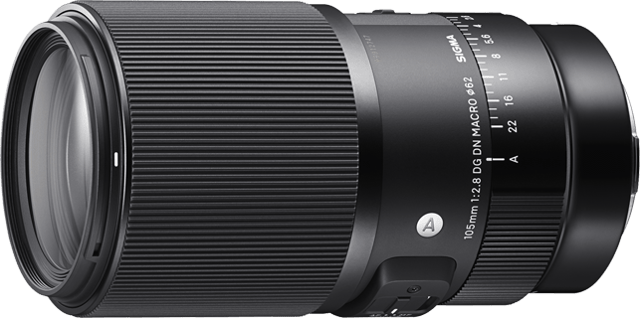
105 mm instead of 100 mm
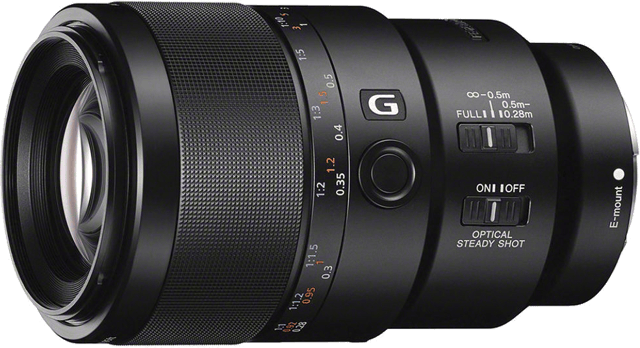
90 mm instead of 100 mm
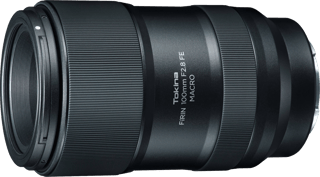
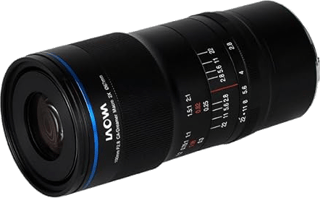
2× vs 1× close-up reach · Manual focus instead of autofocus · Closest focus 24.7 cm vs 30 cm
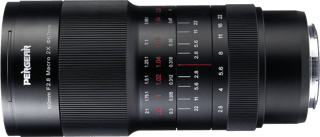
2× vs 1× close-up reach · Manual focus instead of autofocus · 790 g vs 570 g
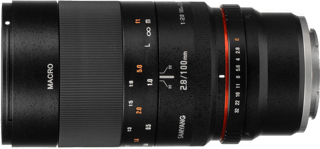
Manual focus instead of autofocus · 720 g vs 570 g