
TTArtisan 10mm f/2
TTArtisan · 10 mm · f/2
Score Breakdown
Scores combine our editorial testing with published lab data.
General | |
|---|---|
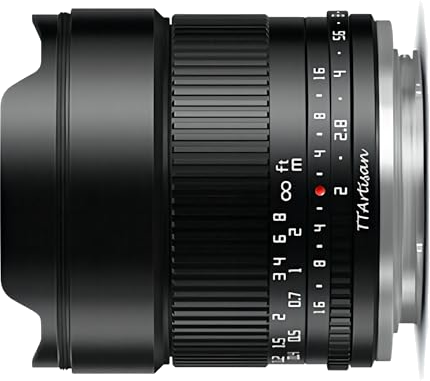
About This LensThis 2023 ultra-wide prime is made for APS-C mirrorless cameras, and it remains in production. It comes in Sony E, Canon RF, Fujifilm X, Micro Four Thirds and Nikon Z versions, so pick the one made for your camera. At 10mm it sweeps whole rooms, tall facades and broad landscapes into the frame. The f/2 maximum aperture suits night skies and dim interiors. It will appeal most to architecture, interior and travel photographers who welcome an exaggerated sense of space. In exchange, you set focus by hand and work without stabilization. | |
| Brand | TTArtisan |
| Release Year | 2023 |
Production Status ⓘCurrent status of lens manufacturing (e.g., in production, discontinued). |  In Production In Production |
Lens Mount ⓘThe lens mount will tell you what type of lens range you can fit onto the camera body. Often the same camera company will have different lens ranges for different cameras. | Sony E |
System ⓘIndicates which camera system the lens is designed to attach to. | Sony E |
Maximum Format ⓘLargest sensor size compatible with the lens. |  APS-C APS-C |
Physical57/100 | |
About the BuildThe Sony E version weighs 12.2 oz (345 g) and runs 2.44 in (62 mm) across by 2.56 in (65 mm) long. That is a small, light package that pairs well with compact APS-C bodies. Its front takes screw-in filters, which must match the lens's 72mm thread. Sizes and weights for the other mounts differ. | |
| Lens Weight | 345 g |
Lens Diameter ⓘWidth of the lens at its widest point | 62 mm |
Lens Length ⓘHow long the lens is from front to back. | 65 mm |
Front Filter Compatible ⓘSome lenses are compatible with front filters, some are compatible with back filters and some are compatible with both. Front filters are usually more convenient to add and remove. |  Yes Yes |
Front Filter Size ⓘDiameter of attachable filters. | 72 mm |
Optics63/100 | |
About the OpticsA 10mm focal length on APS-C gives an extreme wide-angle view. Small rooms open up, tall buildings fit from across the street, and distant subjects shrink quickly. In tight interiors you can shoot from corners and doorways that would defeat a standard zoom. To fill the frame you step toward the foreground, and that near subject supplies the drama. The f/2 aperture is fast. It keeps shutter speeds workable in dim interiors and at dusk. For star fields it allows shorter exposures, reducing star trails. Its eight blades shape the aperture as you stop down, which helps form sunstars around bright lights. Depth of field runs deep at 10mm, so much of the scene stays sharp even wide open. Expect broad sharpness rather than blurred backgrounds, since the wide view keeps distant objects small. Tilting the camera leans verticals, so keep the frame level for architecture. Close focusing at 0.8 ft (25 cm) lets you place a rock, doorway or railing just in front of the lens. Focus is manual, but the deep zone makes exact settings forgiving. The optics score is 63 out of 100. | |
Focal Range ⓘShortest to longest focal length of the lens (zoom range start - end ) | 10 mm |
Aperture Range ⓘLargest aperture at the lens's shortest focal length to longest focal length (aperture range start - end) | 2 |
| Focal Length Angle of View | 105° |
Flange Focal Distance ⓘDistance from lens mount to sensor. | 18 mm |
Diaphragm Type ⓘStructure and design of the aperture |  Manual Manual |
Blades ⓘNumber of diaphragm blades in aperture | 8020 |
Zoom Lens ⓘZoom allows you to vary the focal length, change between long shots and close-ups | No |
Closest Focusing Distance ⓘMinimum distance for a subject to be in focus. | 25 cm01500 |
| Autofocus Mode | No |
| Manual Mode |  Yes Yes |
| Manual Focusing Ring |  Yes Yes |
Features | |
About the FeaturesThere is no image stabilization. Camera shake matters less at 10mm than at longer focal lengths, and the f/2 aperture keeps shutter speeds up, so handheld work stays practical. On a tripod, as for night skies, the omission costs little. Weather sealing is absent. In steady drizzle or dusty trails, tuck the camera inside a jacket between shots. On the Sony E version a screw-in filter can add front protection. Nothing here stops everyday outdoor use in fair weather. The front element has no fluorine coating, so keep a cloth handy for fingerprints and spray. | |
Weather Sealing ⓘWeather sealing capabilities will give you more confidence when shooting in unfavourable conditions. | No |
Fluorine Coating ⓘCoating to repel water and oil from lens elements. | No |
| Built In Lens Hood |  Yes Yes |
| Lens Hood Type |  Petal Petal |
Teleconverter ⓘA teleconverter (extender) is an extra piece of equipment that fits between the lens and the camera body to enhance magnification | No |
| Image Stabilization | No |
Construction15/100 | |
About the ConstructionThirteen elements sit in ten groups, two of them aspherical. Aspherical surfaces use specially shaped curves that help correct optical faults such as distortion and spherical aberration. Distortion can make straight edges appear curved, and straight walls matter in architecture, so this shaping has a clear job here. The construction score is 15 out of 100. | |
Elements ⓘLens elements refer to individual pieces of glass within the lens. | 13 |
| Groups | 10 |
Aspherical Elements ⓘThe number of aspherical lens elements which can help correct aberrations such as spherical aberration. | 2 |
Bi Aspherical Elements ⓘElements with two non-spherical surfaces | 0 |
Low Dispersion ⓘElements that reduce chromatic aberration | 0 |
Super Low Dispersion ⓘAdvanced elements further reducing chromatic aberration | 0 |
CA Reduction ⓘBuilt-in features to reduce chromatic aberration | 0 |